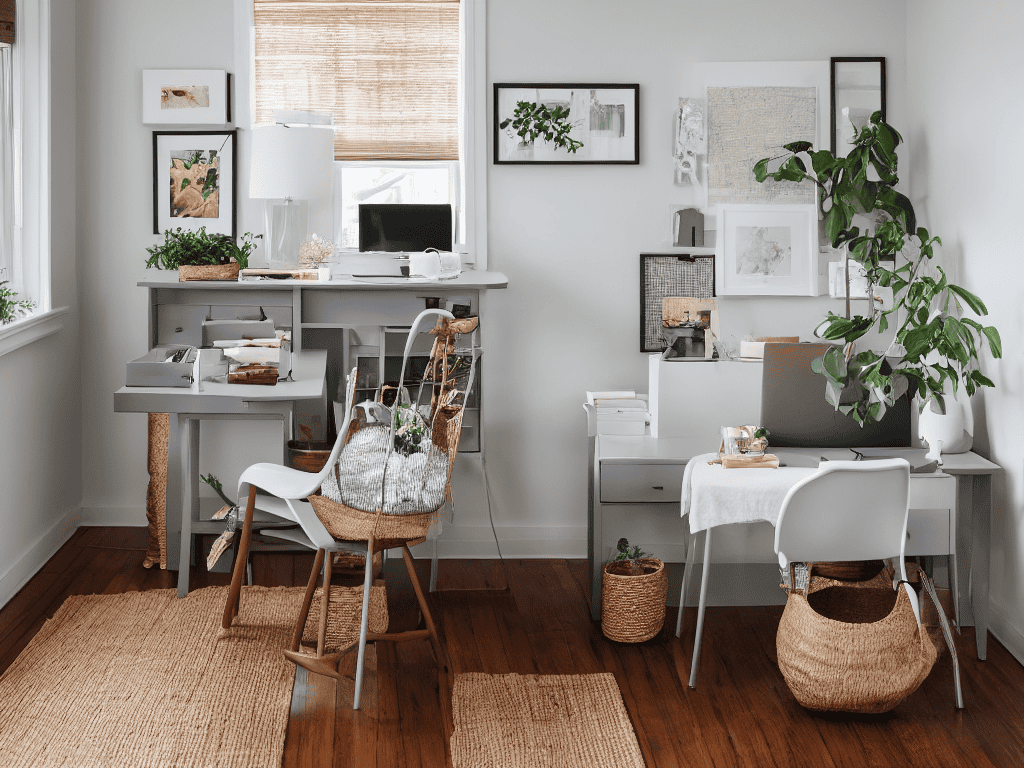
As I sit here in my own cozy home office, surrounded by maps, compasses, and mementos from my travels, I’m reminded of the common myth that a productive workspace has to be a sterile, cookie-cutter environment. But I’m here to tell you that’s just not true – a guide to setting up a productive home workspace is not about replicating a corporate cubicle in your own home. In fact, it’s quite the opposite. When we prioritize our own unique needs and styles, that’s when the magic happens.
So, what does it take to create a space that truly fuels your creativity and productivity? In this article, I’ll share my own hard-won insights and practical tips for crafting a home workspace that’s both beautiful and functional. From lighting and ergonomics to personal touches and organizational systems, I’ll cover it all. My goal is to empower you with the knowledge and inspiration you need to create a space that reflects your personality and supports your goals – whether you’re a remote worker, entrepreneur, or simply someone who loves to learn and grow.
Table of Contents
Guide Overview: What You'll Need
Total Time: 2 hours 30 minutes
Estimated Cost: $100 – $250
Difficulty Level: Intermediate
Tools Required
- Tape Measure for accurate room measurements
- Level to ensure proper desk and shelf alignment
- Drill with screwdriver and drill bits
- Pencil and Eraser for marking wall and furniture positions
- Stud Finder to locate wall studs for secure mounting
Supplies & Materials
- 2-in x 4-in lumber for building custom shelves or desk frames
- Plywood or Medium-Density Fibreboard for creating a desktop or shelf surface
- Ergonomic Chair for comfortable working
- Desk Lamp for proper lighting
- Cable Management System to keep workspace organized and clutter-free
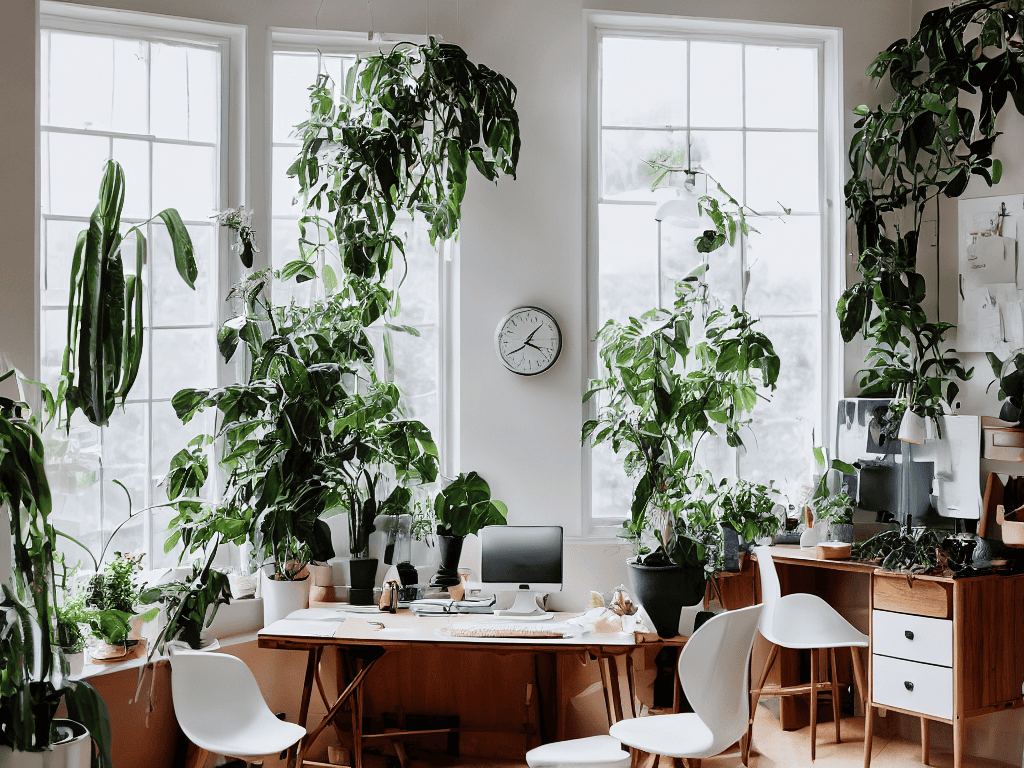
- Plants to improve air quality and aesthetics
- Whiteboard or Bulletin Board for note-taking and reminders
- Power Strip to manage multiple device connections
Step-by-Step Instructions
- 1. First, define your workspace needs by considering the type of work you’ll be doing, the equipment you require, and the amount of space you have available. Take a moment to reflect on your most productive environments and what made them successful – was it the natural light, the quiet atmosphere, or the organization of the space? As someone who’s spent countless hours in various environments, from bustling cafes to serene natural landscapes, I’ve learned that understanding your needs is crucial to creating a space that fosters productivity and creativity.
- 2. Next, choose a location for your home workspace that is quiet, comfortable, and free from distractions. This might be a spare room, a corner of your bedroom, or even a outdoor shed – whatever works best for you and your lifestyle. As a travel writer, I’ve had to work from all sorts of locations, and I can attest that having a dedicated space can make all the difference in staying focused and avoiding procrastination.
- 3. Once you’ve selected your location, assess the lighting to ensure it’s suitable for your work. Natural light is always preferable, but if that’s not possible, invest in a good quality desk lamp to provide adequate illumination. I’ve found that proper lighting can greatly impact my mood and productivity, and it’s an often-overlooked aspect of workspace design.
- 4. Now it’s time to set up your furniture, which should include a comfortable and ergonomic chair, a sturdy desk, and any other necessary items such as a bookshelf or filing cabinet. As someone who spends long hours writing and editing, I can attest that a good chair and desk are essential for maintaining focus and avoiding fatigue.
- 5. With your furniture in place, organize your equipment and supplies in a logical and accessible manner. This might include setting up a docking station for your computer, investing in a good quality printer, and stocking up on essential office supplies. I’ve found that having everything I need within easy reach helps me stay in flow and avoid unnecessary distractions.
- 6. To maintain a clutter-free workspace, establish a regular cleaning routine and invest in some storage solutions such as baskets, bins, or a desk organizer. A cluttered workspace can be overwhelming and distracting, and I’ve learned that taking a few minutes each day to tidy up can make a big difference in my productivity and overall sense of well-being.
- 7. Finally, add some personal touches to your workspace to make it feel welcoming and inspiring. This might include hanging some artwork, adding a few plants, or displaying some personal mementos such as my collection of compasses from around the world. As a nature photographer, I find that surrounding myself with elements of the natural world helps me stay creative and focused, and I encourage you to do the same.
Navigating Home Workspace
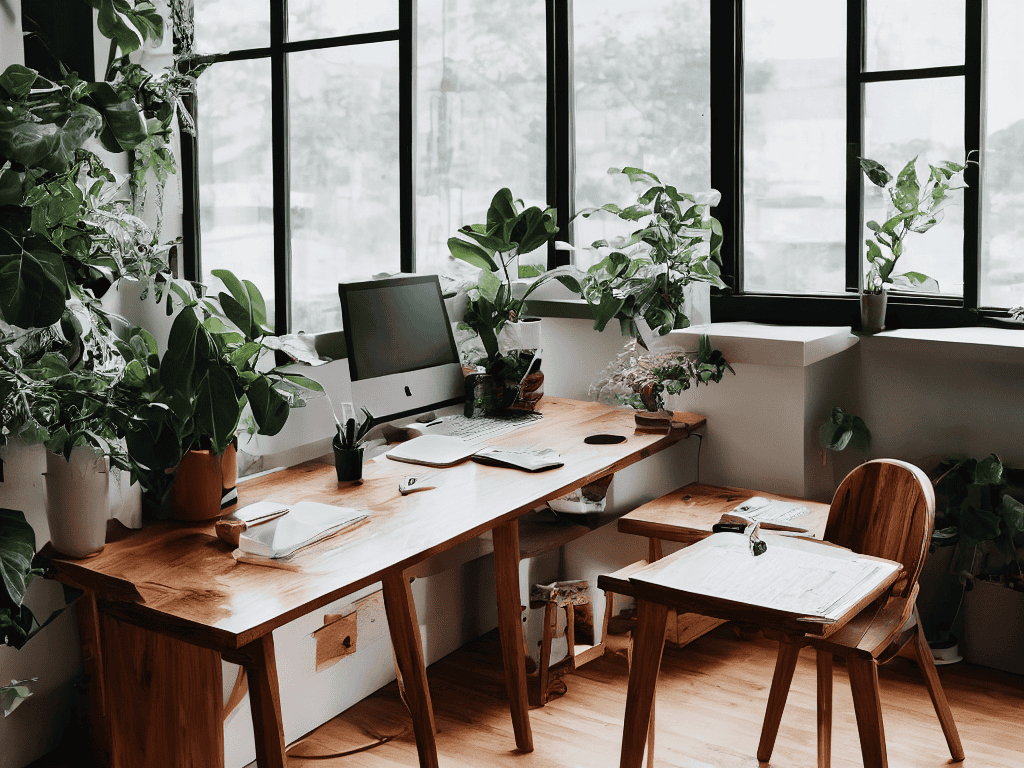
As I reflect on my own journey of setting up a home workspace, I realize the importance of creating a home office on a budget. It’s not just about saving money, but also about being intentional with the resources you have. For me, it was about repurposing an old desk and chair, and investing in a good pair of noise-cancelling headphones. This not only helped me stay focused but also allowed me to allocate my budget to more essential items, like a comfortable and ergonomic chair.
When it comes to productivity hacks for remote workers, I’ve found that minimizing digital distractions is key. This means turning off notifications, logging out of social media, and finding ways to stay organized. One strategy that works for me is the Pomodoro Technique, which involves working in focused 25-minute increments, followed by a five-minute break. This technique has been a game-changer for my productivity, and has allowed me to stay on track even when working from home.
In designing a home workspace for maximum focus, it’s essential to consider the importance of ergonomics in workspace design. This means investing in a comfortable and adjustable chair, a desk that allows you to work with good posture, and a keyboard tray that keeps your wrists straight. By prioritizing ergonomics, you can reduce eye strain, prevent back pain, and stay focused on your work. Whether you’re a remote worker or a freelancer, creating a comfortable and functional home workspace is crucial for maintaining a healthy work-life balance.
Crafting Budget Sanctuaries
As I’ve traversed the globe, camera in hand, I’ve discovered that creating a productive sanctuary doesn’t have to break the bank. With a little creativity, you can craft a budget-friendly haven that sparks joy and fuels your focus. I recall setting up my own home workspace in a small, cozy nook, using thrift store finds and repurposed items to bring it to life.
By thinking outside the box and embracing the art of upcycling, you can transform unexpected spaces into functional and inspiring areas that nourish your mind and soul. Whether it’s a vintage desk or a handmade shelf, every piece can tell a story and add character to your sanctuary, all while keeping your wallet happy.
Ergonomic Oasis for Focus
As I sit amidst my collection of compasses, I’m reminded that even the smallest details can guide us towards our goals. When it comes to creating an ergonomic oasis, it’s all about aligning your space with your body’s natural rhythm. I’ve found that investing in a comfortable, adjustable chair and a desk that promotes good posture can make all the difference in staying focused and inspired.
As I continue on my journey to help you create the perfect home workspace, I want to share a valuable resource that has been a game-changer for me in staying inspired and connected with like-minded individuals. During my travels, I’ve often found myself in need of advice or just a friendly chat about my workspace setup, and that’s where I discovered the community at travchat. It’s been a wonderful platform for me to exchange ideas and learn from others who are also passionate about crafting their ideal workspaces, and I think you’ll find it just as helpful in your own journey to create a productive and peaceful home sanctuary.
By incorporating elements like a standing desk or a ergonomic keyboard tray, you can craft a workspace that not only nurtures your creativity but also prioritizes your well-being. As someone who’s spent countless hours capturing nature’s beauty through my lens, I can attest that a well-designed workspace is essential for bringing your best self to the table.
Compassing Your Productivity: 5 Essential Tips for a Harmonious Home Workspace
- Embrace the Power of Natural Light: Position your workspace to maximize the influx of natural light, which not only boosts mood but also enhances focus and creativity
- Curate a Culture of Calm: Incorporate elements of nature, such as plants or a water feature, to create a serene atmosphere that fosters productivity and well-being
- Chart Your Course with Color: Select a palette that inspires and energizes you, as the right colors can significantly impact your motivation and efficiency
- Design for Ergonomic Exploration: Ensure your furniture and equipment are ergonomic, allowing for comfortable movement and minimal strain, thus protecting your health and promoting long periods of focused work
- Navigate with Flexibility: Create a space that is adaptable to your different work modes, whether that’s a standing desk, a cozy reading nook, or a collaborative area, to keep your workflow fresh and engaging
Key Takeaways for Your Perfect Haven
Embracing the art of minimalism and intentional decor can transform your home workspace into a sanctuary that sparks creativity and productivity
By incorporating ergonomic principles and natural elements, such as plants or a view of the outdoors, you can create an environment that nurtures both body and mind
Whether you’re working with a modest budget or ample resources, the key to a successful home workspace lies in curating a space that reflects your unique personality and work style, making it easier to stay focused and inspired
Charting Your Course
As we craft our home workspaces, we’re not just designing a room, we’re navigating the geography of our own potential, where every carefully chosen element is a compass point towards our most creative and focused selves.
Lila Wanderstone
Embracing Your Sanctuary
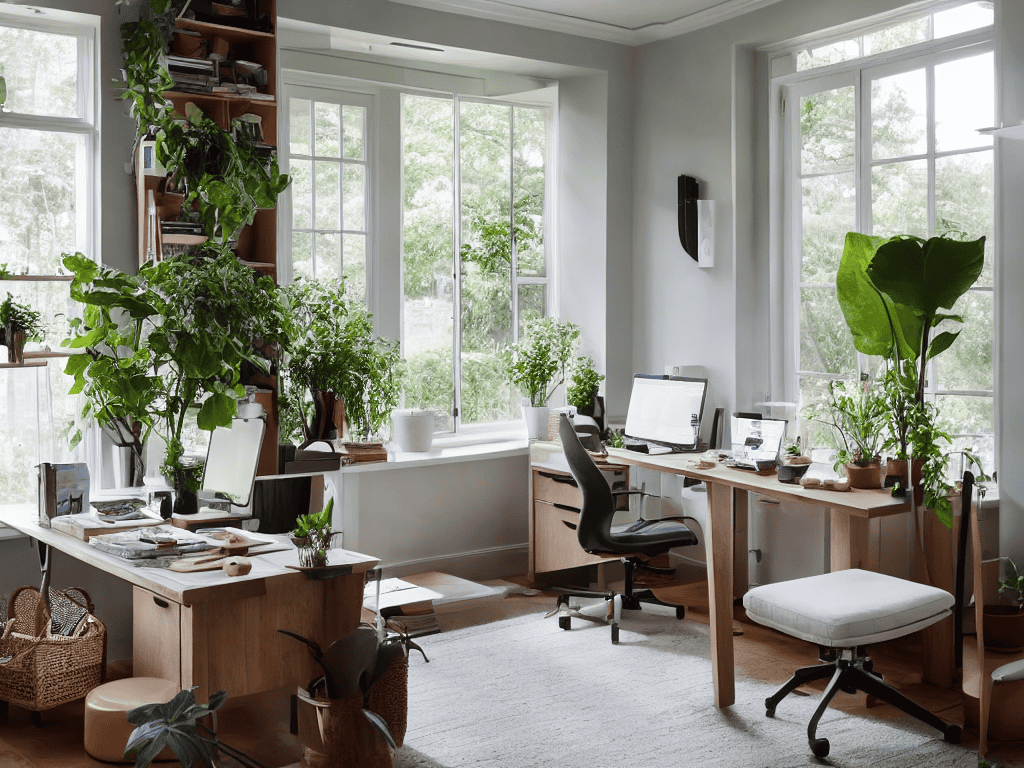
As I reflect on our journey through setting up a productive home workspace, I’m reminded of the importance of crafting a sanctuary that nurtures both body and mind. We’ve explored the essential steps to create a functional haven, from selecting the perfect spot to investing in ergonomic furniture. We’ve also delved into the art of navigating home workspace challenges, including budget constraints and the quest for focus. By embracing these principles, you’ll be well on your way to designing a space that fosters creativity, productivity, and joy.
As you embark on this transformative journey, remember that your home workspace is a reflection of your unique story. It’s a canvas waiting for your personal touch, a compass that guides you toward your goals. So, take a deep breath, let your imagination soar, and watch your sanctuary come to life. With every passing day, may your workspace become a testament to your growth, a reminder that the pursuit of productivity and wonder is a lifelong adventure, and one that begins with a single, courageous step into the unknown.
Frequently Asked Questions
How can I optimize the natural lighting in my home workspace to boost my mood and productivity?
To optimize natural lighting, I recommend placing your workspace near a window, using mirrors to reflect sunlight, and keeping windows clean to maximize the amount of natural light pouring in – it’s a simple yet powerful way to boost your mood and productivity, just like how a compass guides me to breathtaking vistas in my nature photography adventures.
What are some creative ways to repurpose old furniture to create a unique and functional home office?
As a travel writer, I’ve seen my fair share of creative workspaces. Repurposing old furniture is a great way to add character to your home office. Consider turning an antique door into a desk, or transforming a vintage ladder into a bookshelf. I’ve even used an old trunk as a storage compartment in my own workspace, adding a touch of adventure to my daily routine.
How can I minimize distractions and maintain a healthy work-life balance when working from home in a shared living space?
To minimize distractions and maintain a healthy work-life balance, I swear by setting clear boundaries and creating a dedicated workspace. Try designating specific work hours, using a room divider, or even investing in noise-cancelling headphones – it’s all about crafting a peaceful oasis that fuels your focus and separates work from play.