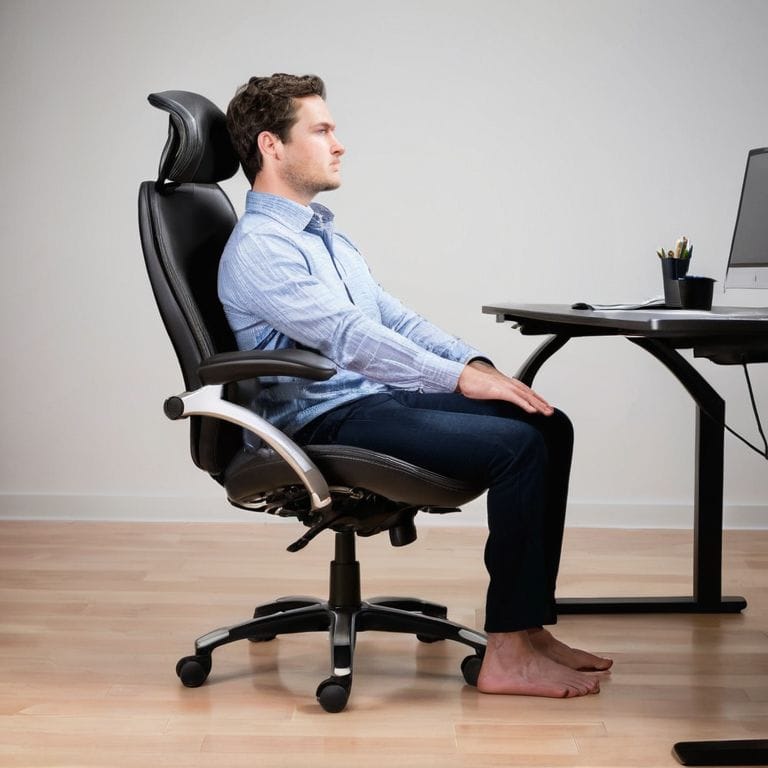
As I sat at my desk, clacking away on my vintage typewriter, I couldn’t help but think about the countless hours I’ve spent researching what to look for in an ergonomic chair. It’s astonishing how often we overlook the humble chair, despite it being the unsung hero of our daily lives. I’ve lost count of the number of times I’ve heard people say that an ergonomic chair is just about lumbar support, but the truth is, there’s so much more to it. The real question is, what makes a chair truly ergonomic, and how can you tell if it’s the right fit for you?
In this article, I’ll cut through the noise and share my honest, no-hype advice on what to look for in an ergonomic chair. I’ll dive into the key factors that separate a great chair from a mediocre one, and provide you with practical tips on how to find the perfect seat for your needs. Whether you’re a freelancer like me, or simply someone who spends a lot of time at their desk, this guide will give you the insight you need to make an informed decision. So, if you’re tired of suffering from back pain or feeling like you’re stuck in a chair that’s not quite right, keep reading – I’ve got you covered.
Table of Contents
Guide Overview: What You'll Need
Total Time: 1 hour
Estimated Cost: $0 – $100
Difficulty Level: Easy
Tools Required
- Tape Measure (for seat height and depth measurements)
- Level (to ensure proper chair alignment)
Supplies & Materials
- Ergonomic Chair Checklist (to evaluate chair features)
- 6 inches of clearance (between chair and desk for comfortable knee space)
Step-by-Step Instructions
- 1. First, let’s start with the basics: when searching for an ergonomic chair, it’s essential to consider the height adjustability of the seat. You want to be able to adjust the chair to fit your body perfectly, with your feet flat on the floor or on a footrest, and your knees at or below hip level. This will help you maintain a healthy posture and reduce the risk of back and leg strain.
- 2. Next, think about the depth and width of the seat. The seat should be deep enough to support your thighs, but not so deep that it presses against the back of your knees. You want to be able to sit with your back against the backrest, with about 2-3 inches of space between the back of your knees and the front of the seat. A seat that’s too narrow or too wide can lead to discomfort and poor posture, so it’s crucial to find one that fits your body.
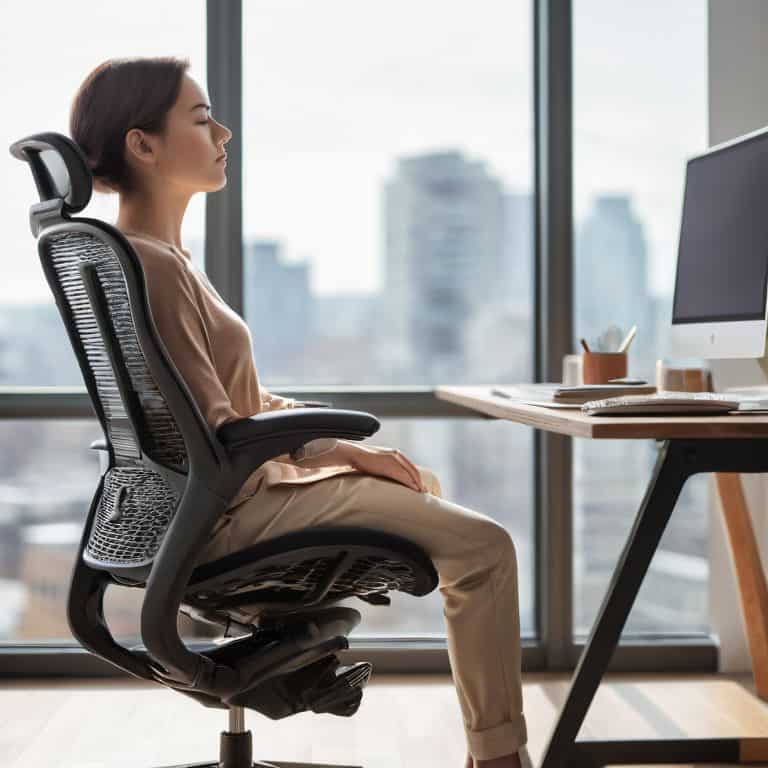
- 3. Now, let’s talk about lumbar support. A good ergonomic chair should have a curved backrest that supports the natural curve of your lower back. Look for a chair with a lumbar adjustment feature, which allows you to customize the fit to your body. This will help maintain the natural curve of your spine and reduce the risk of back pain.
- 4. The armrests are another critical feature to consider. They should be adjustable, allowing you to rest your arms at a 90-degree angle and keep your shoulders relaxed. Look for armrests that can be adjusted in height, width, and depth to fit your body perfectly. This will help reduce strain on your shoulders and neck, and allow you to work comfortably for extended periods.
- 5. When it comes to the backrest, look for a chair with a breathable material that allows for airflow and won’t trap heat. A breathable backrest will help keep you cool and comfortable, even during long work sessions. Additionally, consider a chair with a tilt or recline feature, which allows you to adjust the backrest to a comfortable position.
- 6. The casters or wheels of the chair are often overlooked, but they play a crucial role in the overall ergonomics of the chair. Look for a chair with smooth-rolling casters that allow you to move effortlessly around your workspace. This will help reduce strain on your back and legs, and make it easier to get up and move around throughout the day.
- 7. Finally, consider the durability and maintenance of the chair. A good ergonomic chair should be built to last, with a sturdy frame and high-quality materials. Look for a chair with a long warranty and easy-to-clean surfaces, which will help extend the life of the chair and keep it looking its best. By following these steps, you’ll be well on your way to finding an ergonomic chair that meets your needs and provides long-term comfort and support.
Unpacking Ergonomic Chair Secrets
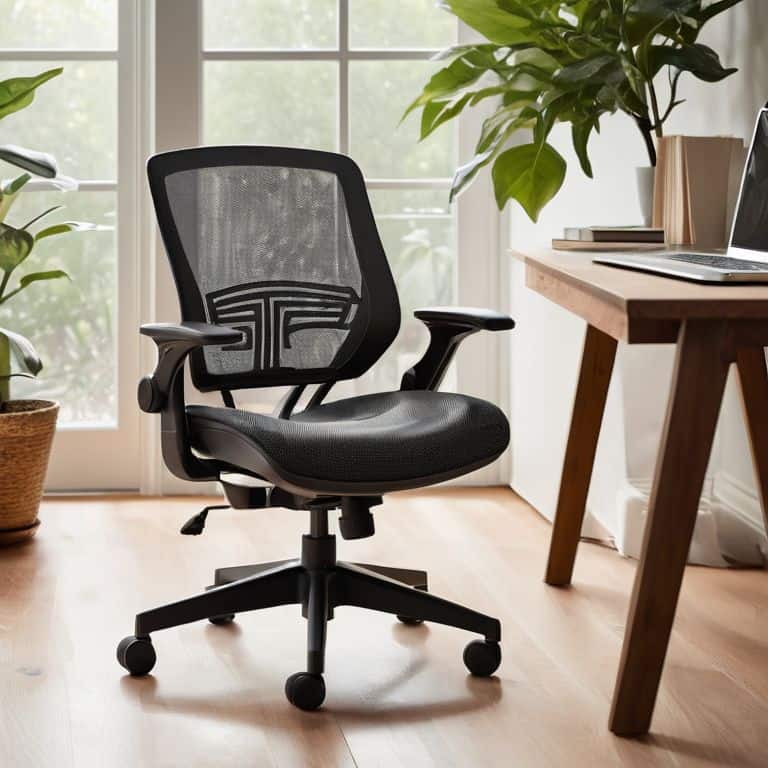
As I delve into the world of ergonomic chairs, I’ve come to realize that breathable fabrics play a crucial role in maintaining comfort during long hours of sitting. The importance of breathable fabrics cannot be overstated, as they allow for airflow and help regulate body temperature. This, in turn, can prevent discomfort and distractions, enabling individuals to focus on their work. I recall my grandmother, a retired literature professor, often complaining about the heat and stiffness caused by her old office chair. If only she had known about the benefits of ergonomic chair benefits for back pain, perhaps her working days would have been more comfortable.
When it comes to choosing the right chair, adjustable chair features are essential for ensuring a customized fit. This includes adjustable armrests, seat height, and lumbar support. By tailoring the chair to individual needs, users can minimize the risk of back pain and discomfort. I’ve learned that how to choose the right chair height is a critical aspect of this process, as it directly affects the overall ergonomics of the chair. By taking the time to adjust and fine-tune these features, individuals can create a comfortable and supportive environment that fosters productivity.
In addition to these considerations, regular office chair maintenance is vital for extending the lifespan of the chair and ensuring it continues to provide optimal support. This includes periodic cleaning, lubricating moving parts, and inspecting for wear and tear. By adopting these habits, individuals can enjoy the benefits of their ergonomic chair for years to come, while also importance of breathable fabrics in office chairs remains a key factor in maintaining a healthy and comfortable working environment.
Breathable Fabrics for Bliss
As I sit here, typing away on my vintage typewriter, I’ve come to realize the importance of breathable fabrics in an ergonomic chair. It’s not just about aesthetics; it’s about creating an environment that promotes comfort and productivity. A well-ventilated chair can make all the difference in those long writing sessions, preventing the buildup of heat and moisture that can lead to distraction and discomfort.
I’ve found that chairs with mesh panels or breathable materials like cotton or linen are a godsend. They allow for airflow, keeping me cool and focused, even during the most intense periods of creativity. It’s a small detail, perhaps, but one that can greatly impact the overall experience of working in an ergonomic chair. By prioritizing breathable fabrics, we can create a workspace that nurtures both body and mind.
What to Look for in Comfort
As I delve into the world of ergonomic chairs, I’m reminded of the hours I’ve spent poring over dusty tomes in my cottage, only to be interrupted by a nagging ache in my lower back. It’s a sensation all too familiar to book lovers and writers alike. Comfort, therefore, is paramount. When assessing an ergonomic chair, I look for a seat that cradles my body, with a cushion that’s neither too soft nor too firm. The armrests, too, should be adjustable, allowing my arms to rest in a neutral position.
A breathable fabric or mesh is also a must, as it allows for airflow and prevents the buildup of heat. I recall my grandmother, a retired literature professor, once remarking on the importance of a well-ventilated study – it’s a sentiment that holds true for any workspace. By prioritizing these comfort-focused features, one can create an environment that fosters productivity and creativity, rather than distraction and discomfort.
Sitting Pretty: 5 Essential Tips for Choosing the Perfect Ergonomic Chair
- Consider the contoured back and lumbar support to ensure a natural spine alignment
- Look for adjustable features such as seat height, armrests, and tilt to customize the fit to your body
- Choose a chair with a sturdy base and a weight capacity that suits your needs for stability and durability
- Select a chair with breathable fabrics, such as mesh or leather, to maintain a cool and comfortable temperature
- Test the chair’s ergonomics in person, if possible, to gauge the comfort and support it provides during extended use
Key Takeaways for the Perfect Ergonomic Chair
In searching for the ideal ergonomic chair, prioritize a balance between lumbar support and adjustability to ensure a customizable fit for your body
Consider the importance of breathable fabrics in maintaining comfort over extended periods, and how they contribute to an overall sense of well-being while working or relaxing
Ultimately, the perfect ergonomic chair is one that combines form and function, providing not only comfort but also a boost to productivity, making it a worthwhile investment for both home and office settings
The Ergonomic Chair Conundrum
A true ergonomic chair is not just a piece of furniture, but a guardian of our posture, a sanctuary for our backs, and a silent companion to our most productive hours – it’s about finding that delicate balance between comfort and support, where the chair becomes an extension of ourselves, rather than a mere object to sit upon.
Oliver Quill
Finding Your Perfect Fit
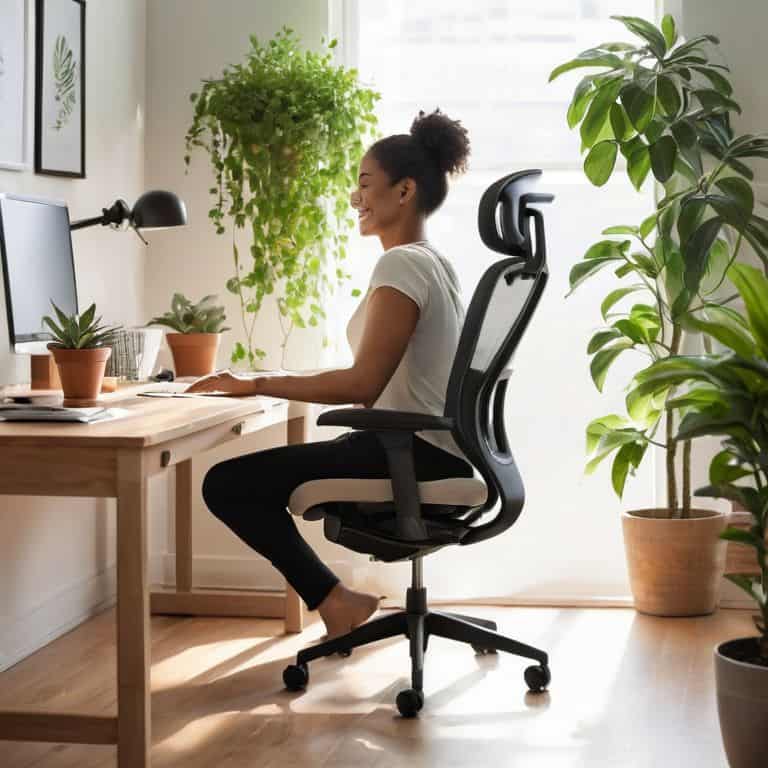
As I reflect on our journey to uncover the secrets of the ergonomic chair, it’s clear that finding the perfect seat involves a delicate balance of comfort, support, and personal preference. We’ve explored the importance of considering factors such as lumbar support, adjustability, and breathable fabrics to create a haven for productivity and well-being. By prioritizing these elements, we can transform our workspace into a sanctuary that nurtures both body and mind.
So, as you embark on your own quest for the ideal ergonomic chair, remember that it’s not just about finding a piece of furniture – it’s about investing in your health, happiness, and creative potential. By being mindful of the subtle details that make a chair truly exceptional, you’ll be well on your way to unlocking a more comfortable and inspired you, ready to take on the challenges of the day with renewed enthusiasm and purpose.
Frequently Asked Questions
How do I determine the optimal seat height for my body type?
To find your optimal seat height, try the ‘foot flat’ test: sit with your feet flat on the floor or a footrest, and ensure your knees are at or below hip level. This should allow a 90-degree angle between your torso and thighs, providing a comfortable foundation for a productive work session.
What are the key differences between ergonomic chairs designed for task-oriented work versus those for leisure or gaming?
The dichotomy of ergonomic chairs – task-oriented versus leisure or gaming. For the former, look for sturdier frames and adjustable lumbar support to promote focused posture. In contrast, gaming and leisure chairs often prioritize plush cushioning and flexible armrests for relaxed comfort.
Can an ergonomic chair really help alleviate back pain, and if so, what specific features should I look for to maximize its therapeutic benefits?
As someone who’s spent countless hours hunched over my vintage typewriter, I can attest that a good ergonomic chair is a game-changer for back pain. Look for features like adjustable lumbar support, a breathable mesh fabric, and a reclining function to promote healthy posture and alleviate strain on your spine.