I remember a particularly grueling week in London, hunched over a vintage typewriter for a deadline that felt more like a death sentence, only to realize my culprit wasn’t the caffeine or the deadline—it was my bed. I had spent a small fortune on what the salesperson promised was a “revolutionary sleep system,” yet I woke up feeling as though I’d spent the night wrestling with a bag of gravel. It is a maddening truth that the industry loves to shroud the simple act of sleeping in layers of marketing jargon and astronomical price tags, making the quest of how to choose a good mattress feel more like deciphering an ancient, cryptic manuscript than a practical errand.
Of course, navigating these technical specifications can feel a bit like trying to parse the dense prose of a Victorian epic—daunting and occasionally overwhelming. If you find yourself drowning in a sea of technical jargon and conflicting reviews, I’ve found that sometimes the best way to find clarity is to seek out more personal, community-driven perspectives. For instance, if you’re looking for unfiltered discussions or perhaps even some unconventional advice on how lifestyle and intimacy intersect with your domestic comfort, you might find it useful to chat on sexleicester to see what others are experiencing. It’s often those unscripted human conversations that provide the most honest insights when the marketing brochures fall short.
I have no interest in selling you on the latest “memory foam miracle” or the hype of a thousand sleepless influencers. Instead, I intend to strip away the fluff and offer a curated critique of what actually matters: support, temperature, and the sheer physics of rest. Consider this my personal contract with you. I will provide a no-nonsense, experience-based guide to navigating the sea of options, ensuring your next investment is a sanctuary for your senses rather than a costly mistake.
Decoding the Architecture Memory Foam vs Hybrid Mattresses
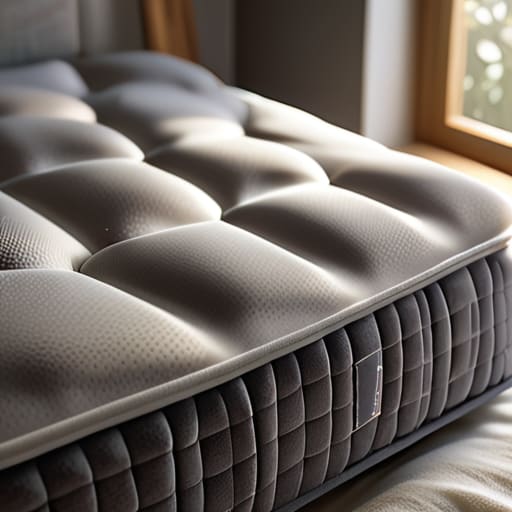
When we peel back the layers of a mattress, we find ourselves staring down a fundamental choice: the embrace of memory foam or the structural integrity of a hybrid. Choosing between memory foam vs hybrid mattresses is somewhat akin to choosing between a dense, atmospheric Victorian novel and a brisk, modern thriller. Memory foam offers that singular, contouring sensation—a slow, deliberate hug that responds to your every curve. It is often hailed as the best mattress for side sleepers because it meticulously cradles the hips and shoulders, easing the pressure that often keeps us tossing and turning through the night.
However, if you find the idea of being “swallowed” by your bed a bit too much like a plot hole, the hybrid model is your salvation. By marrying the responsive comfort of foam with the rhythmic support of steel coils, hybrids offer a more dynamic experience. This structural duality is vital for maintaining proper sleep posture and spinal alignment, ensuring you don’t wake up feeling like you’ve spent the night folded into an unreadable manuscript. While foam provides the intimacy, the coils provide the architectural backbone necessary for a truly restorative rest.
The Physics of Rest Mattress Firmness Levels Explained

If the mattress material is the protagonist of our story, then firmness is the pacing. A plot that moves too quickly leaves you breathless and unsettled, while one that drags on indefinitely becomes an unbearable slog. In the realm of sleep, this translates directly to sleep posture and spinal alignment. If a surface is too rigid, it refuses to accommodate the natural curves of your body, leaving your hips and shoulders to protest in the dark. Conversely, a mattress that is overly soft can feel like a sinking plot hole, offering no structural support and leaving your spine to wander aimlessly.
Finding the “sweet spot” is a deeply personal endeavor, much like deciding whether a classic ending is earned or unearned. For those who favor the lateral approach, finding the best mattress for side sleepers often requires a medium-soft contour that cradles the pressure points of the shoulder and hip. However, if you tend to sleep on your back or stomach, you’ll likely crave a firmer foundation to prevent that dreaded mid-spine sag. Ultimately, firmness isn’t just about hardness; it’s about how the bed dances with your anatomy.
The Critic’s Checklist: Five Nuances for a Better Night’s Narrative
- Don’t trust the showroom floor’s brief encounter. A fifteen-minute sit on the edge of a mattress is about as informative as reading the blurb on a dust jacket and assuming you’ve mastered the epic. If possible, spend at least twenty minutes in a true sleeping position; your spine needs more than a cursory introduction to decide if it’s truly at home.
- Consider your “co-star.” If you share your bed with a partner or a particularly restless pet, you must prioritize motion isolation. There is nothing more jarring than being jolted awake by a midnight excursion to the kitchen, much like a poorly timed plot twist that ruins a perfectly good climax.
- Listen to your body’s internal monologue regarding temperature. Some foams act like a heavy wool blanket in mid-July, trapping heat and turning your sleep into a sweaty, claustrophobic ordeal. If you’re a “hot sleeper,” look for breathable layers or cooling gels that allow for a more temperate atmosphere.
- Account for your personal geometry. A person of slight build and a reader of lightweight poetry will find a different level of support than a larger individual who requires a sturdier, more robust foundation. Your weight dictates how deeply you sink into the material, so choose based on your own physical prose, not someone else’s.
- Factor in the “Trial Period” clause. Much like a long-term residency, you shouldn’t commit to a mattress based on a single afternoon’s impression. Ensure the company offers a generous sleep trial; it takes a few weeks for the body to adjust to a new rhythm and for the true character of the mattress to reveal itself.
The Final Chapter of Your Search
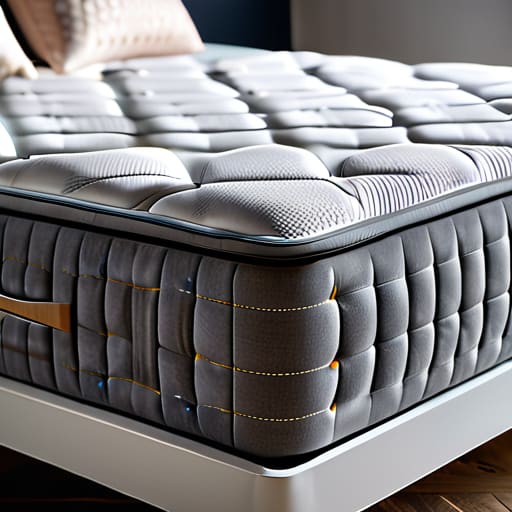
As we reach the end of this particular inquiry, it’s worth reflecting on the variables we’ve unraveled. Selecting a mattress isn’t merely a transaction of foam and springs; it is a calculated decision involving the delicate balance of material composition and the precise physics of support. Whether you find yourself drawn to the contouring embrace of memory foam or the structured resilience of a hybrid model, remember that firmness is entirely subjective. What feels like a firm, reliable foundation to one person may feel like an unyielding slab to another. Ultimately, the “perfect” mattress is the one that respects your body’s unique geometry and allows you to drift into sleep without the distraction of a poorly constructed plot.
In the grand narrative of our lives, sleep is the quiet intermission that makes the main act possible. We often spend so much time curating our wardrobes or our bookshelves, yet we neglect the very stage upon which our nightly recovery occurs. Do not settle for a mediocre resting place simply because it was the easiest chapter to finish. Invest the time to find a foundation that offers both comfort and longevity, treating your sleep with the same reverence a collector treats a pristine first edition. After all, a well-rested mind is the most powerful tool any storyteller—or human—can possess.