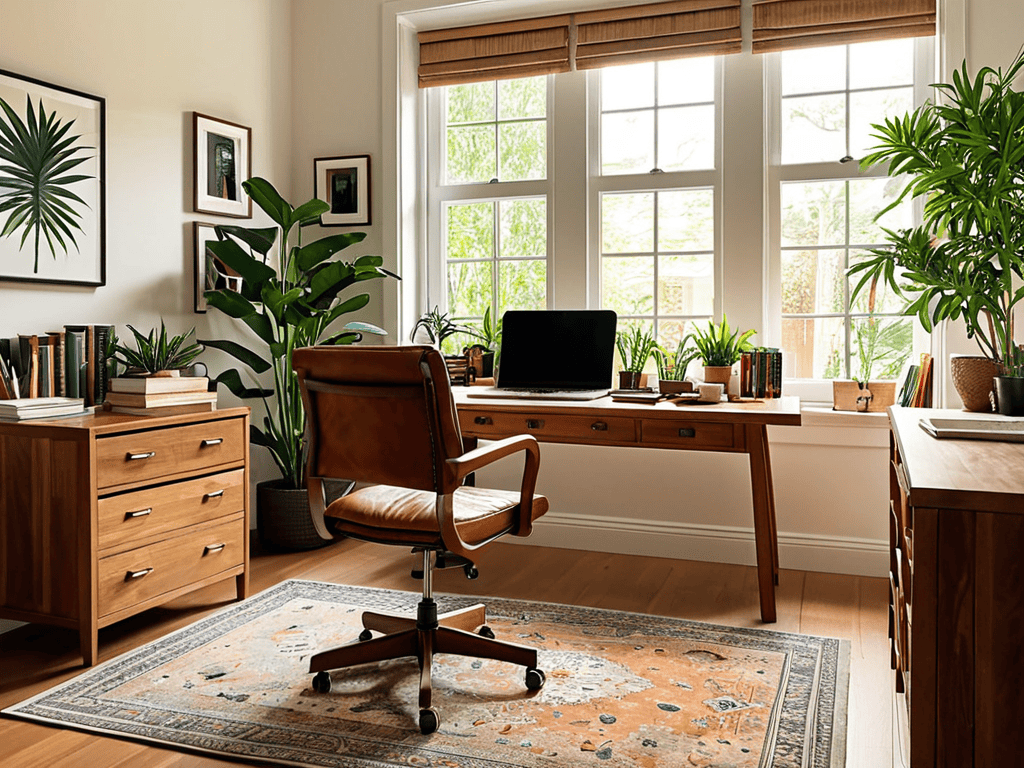
I still remember the day I decided to ditch my cramped, noisy coffee shop “office” and create my own DIY home office setup. It was a game-changer. For years, I’d been misled into thinking that building a home office required a hefty budget and a team of contractors. But the truth is, it’s easier than you think. With a little creativity and some elbow grease, you can turn any corner of your home into a productive, comfortable workspace.
In this article, I’ll share my top tips and tricks for creating a functional and beautiful DIY home office setup. You’ll learn how to maximize your space, choose the right furniture, and avoid common mistakes that can derail your productivity. Whether you’re a remote worker, a student, or an entrepreneur, this guide will give you the practical advice you need to create a home office that works for you, not against you. So, let’s get started on building your dream workspace – it’s time to turn your home into a hub of productivity and creativity!
Table of Contents
Guide Overview: What You'll Need
Total Time: 4 hours 30 minutes
Estimated Cost: $100 – $300
Difficulty Level: Intermediate
Tools Required
- Drill (with screwdriver and drill bits)
- Tape Measure
- Level (laser or bubble)
- Pencil (for marking walls)
- Stud Finder (optional)
Supplies & Materials
- 2-in x 4-in lumber (for shelving support)
- Plywood or MDF (for shelving)
- Wall Anchors (for securing shelves)
- Cable Management System (for organizing cords)
- Desk and Chair (ergonomic and comfortable)
Step-by-Step Instructions
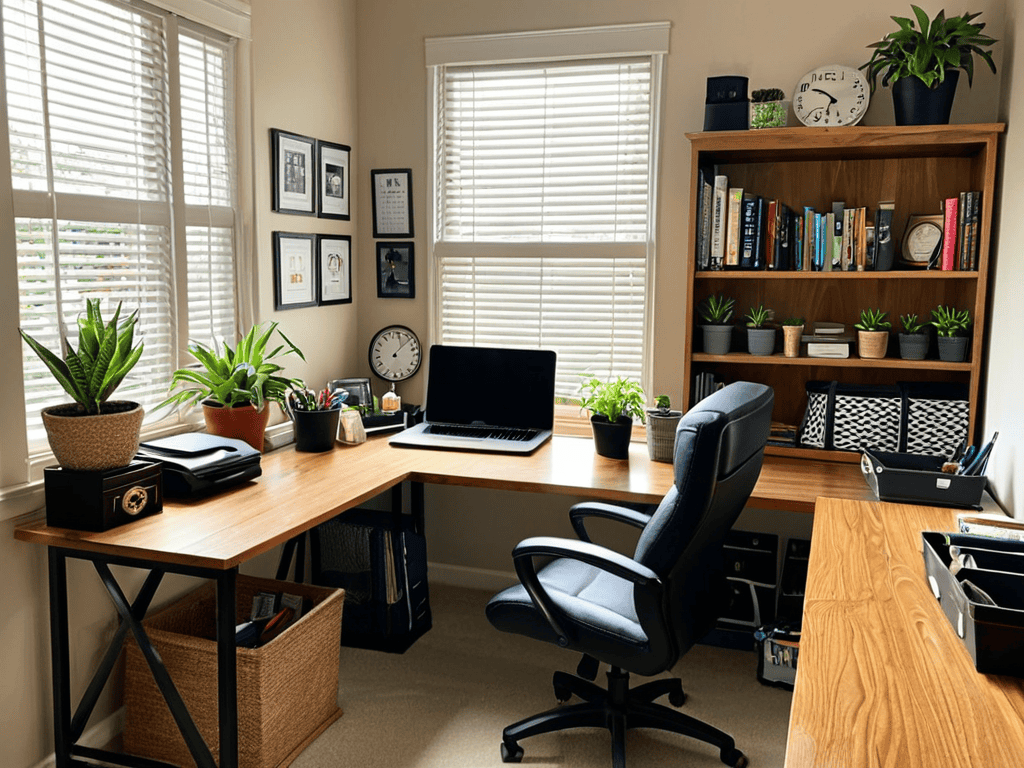
- 1. First, assess your space and determine the best layout for your home office. Consider the natural light, electrical outlets, and any obstacles that may impact your workspace. Take note of the dimensions of the room and the furniture you plan to use, as this will help you create a functional and comfortable area.
- 2. Next, clear the clutter and start with a blank slate. Remove any unnecessary items from the room, and give it a good cleaning. This will help you visualize your new workspace and ensure that you’re starting with a clean and organized foundation.
- 3. Now, choose your furniture carefully. Select pieces that are functional, comfortable, and fit your personal style. Consider a sturdy desk, a comfortable chair, and any additional storage units you may need. Don’t forget to measure your space and ensure that your furniture will fit comfortably.
- 4. Once you have your furniture, it’s time to set up your desk. Start by placing your desk in the optimal location, taking into account the natural light and any electrical outlets. Then, add your chair, and any other essential items, such as a computer, lamp, or paperwork organizer.
- 5. With your desk set up, it’s time to add some storage. Invest in a few storage bins, shelves, or a filing cabinet to keep your office supplies and paperwork organized. Label each storage unit so you can easily find what you need, and keep your workspace clutter-free.
- 6. Next, install any necessary lighting. Consider adding a desk lamp, floor lamp, or overhead lighting to ensure that your workspace is well-lit and comfortable. Avoid harsh lighting, and opt for softer, more natural light sources whenever possible.
- 7. Finally, add some personal touches to make your home office feel like your own. Hang some artwork, add a few plants, or display some personal mementos. This will help you feel more comfortable and inspired in your new workspace, and make it a place where you enjoy spending time.
Mastering Diy Home Office Setup
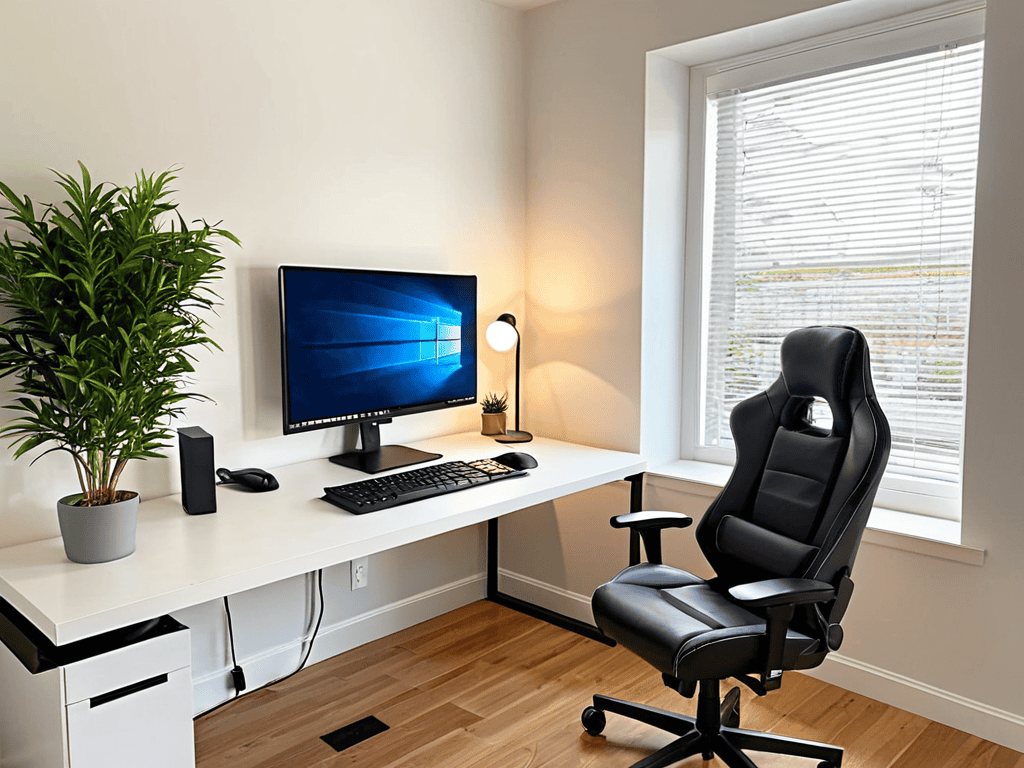
To take your workspace to the next level, consider investing in ergonomic desk setup ideas that promote comfort and reduce eye strain. This can be as simple as adjusting the height of your monitor or adding a keyboard tray to maintain a healthy typing posture. When designing your small home office, draw inspiration from small home office design inspiration blogs or websites to find creative solutions for maximizing space.
Incorporating productivity hacks for home workspace can also significantly impact your work experience. This might include implementing a task management system, setting regular breaks, or using website blockers to minimize distractions. Additionally, don’t underestimate the importance of affordable home office decor solutions in boosting your mood and motivation. Simple touches like plants, artwork, or a colorful rug can make a big difference in creating a welcoming atmosphere.
For those looking to make a more significant upgrade, consider investing in a standing desk conversion kit. This allows you to switch between sitting and standing throughout the day, which can help improve your overall health and focus. Lastly, pay attention to home office lighting design tips to ensure your space is well-lit and comfortable for extended periods. By incorporating these elements, you can create a workspace that is both functional and enjoyable.
Ergonomic Desk Setup Ideas Unleashed
To create an ergonomic desk setup, consider the placement of your monitor, keyboard, and chair. Position your monitor directly in front of you, at a distance of about 20-25 inches, and at a height that allows you to gaze slightly downward. Your keyboard should be close to your body, with your wrists straight and your elbows at a 90-degree angle. Invest in a comfortable, adjustable chair that supports your back and promotes good posture.
As you’re putting the final touches on your DIY home office setup, don’t forget to think about the little things that can make a big difference in your productivity, like finding the perfect chair or investing in a good noise machine. If you’re looking for some inspiration or want to connect with others who are passionate about creating their own workspaces, I recommend checking out some online communities, such as nzgirls, where you can find a wealth of information and resources to help you take your workspace to the next level. By connecting with others and sharing your own experiences, you can gain valuable insights and stay motivated to keep your workspace organized and functional.
By implementing these simple yet effective ergonomic principles, you can significantly reduce eye strain, neck pain, and carpal tunnel syndrome, ultimately boosting your productivity and overall well-being.
Small Space Productivity Hacks Revealed
To maximize productivity in compact areas, consider vertical storage solutions and multi-functional furniture pieces. This could include a wall-mounted shelf or a desk with built-in storage. By utilizing the often-wasted space above your desk, you can keep essential items within easy reach while maintaining a clutter-free work surface. This thoughtful approach to spatial planning can significantly enhance your overall working experience.
Opting for a minimalist aesthetic can also contribute to a sense of openness, making your small space feel more expansive. Select a limited color palette and avoid excessive decorations to create an environment that fosters focus and concentration. By adopting these strategies, you can transform even the smallest of areas into a highly functional and efficient home office.
5 Game-Changing Tips to Supercharge Your DIY Home Office
- Start with a blank slate: Before you begin assembling your DIY home office, take some time to envision your ideal workspace and consider the tasks you’ll be performing most often
- Lighting makes all the difference: Proper lighting can greatly impact your productivity and mood, so invest in a good quality desk lamp or consider installing new light fixtures
- Choose furniture that sparks joy: Your DIY home office should be a space that inspires creativity and motivation, so select furniture pieces that reflect your personal style and promote comfort
- Minimize distractions: Identify potential distractions in your workspace, such as noisy areas or cluttered corners, and develop strategies to minimize them, like using noise-cancelling headphones or implementing a regular cleaning schedule
- Make it a tech haven: Invest in reliable and efficient technology, such as a fast computer and a comfortable keyboard, to streamline your workflow and stay focused on your goals
Key Takeaways for Your Dream DIY Home Office
By following a few simple steps and considering your specific needs, you can create a DIY home office setup that boosts your productivity and comfort
Effective ergonomic desk setup and clever use of small spaces are crucial for maximizing your workspace efficiency and minimizing distractions
Whether you’re a remote worker, freelancer, or simply need a quiet spot to focus, a well-designed DIY home office can significantly enhance your work-life balance and overall job satisfaction
A Workspace to Call Your Own
Your DIY home office setup is more than just a desk and a chair – it’s a sanctuary where creativity flows, productivity thrives, and your best work comes to life.
Emily Wilson
Bringing Your Dream Workspace to Life
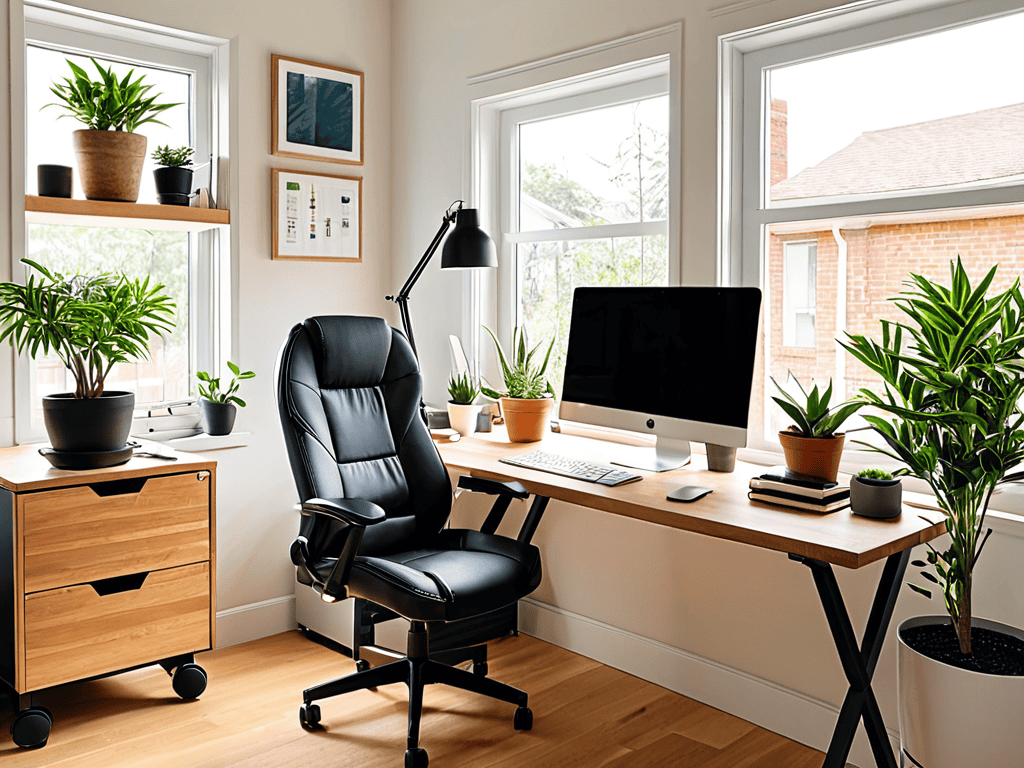
As we’ve explored the world of DIY home office setup, it’s clear that creating your ideal workspace is within reach. From the initial planning stages to the final touches, we’ve covered the essential steps to transform any area into a productive haven. We’ve delved into mastering ergonomic desk setup ideas, ensuring your workspace is not only aesthetically pleasing but also functional and comfortable. Additionally, we’ve uncovered valuable small space productivity hacks, making it possible for anyone, regardless of the size of their area, to craft a workspace that inspires creativity and efficiency. By applying these principles, you’re well on your way to crafting a space that truly reflects your work style and needs.
Your DIY home office setup journey is a testament to the power of self-expression and the pursuit of a workspace that truly feels like home. As you put the final touches on your new office, remember that it’s not just about the physical space, but about creating an environment that nurtures your mind and soul. It’s about designing a space where you can thrive, where ideas flow freely, and where the boundaries between work and passion blur. So, take a step back, admire your handiwork, and let the sense of accomplishment wash over you. Your dream workspace is now a reality, and with it, a world of possibilities awaits.
Frequently Asked Questions
What are the most essential items to include in a DIY home office setup for maximum productivity?
For a productive DIY home office, you’ll want to prioritize a comfy chair, a spacious desk, and good lighting. Don’t forget storage for your office essentials and a reliable computer setup – these are the foundation of a functional workspace that will help you stay focused and efficient.
How can I optimize the lighting in my home office to reduce eye strain and improve focus?
To optimize lighting in your home office, consider layering soft overhead lighting with task lamps to reduce harsh glare. Position lights at a 90-degree angle to your screen to minimize reflections, and aim for a warm color temperature to ease eye strain. This balanced approach will help you stay focused and comfortable throughout the day.
What are some creative ways to repurpose old furniture or materials to create a unique and functional DIY home office space?
Think outside the box and breathe new life into old pieces. Repurpose vintage doors as desks, transform wooden crates into shelving, or upcycle an old dresser into a one-of-a-kind storage unit. Get creative and turn trash into treasure to make your DIY home office truly one-of-a-kind.
