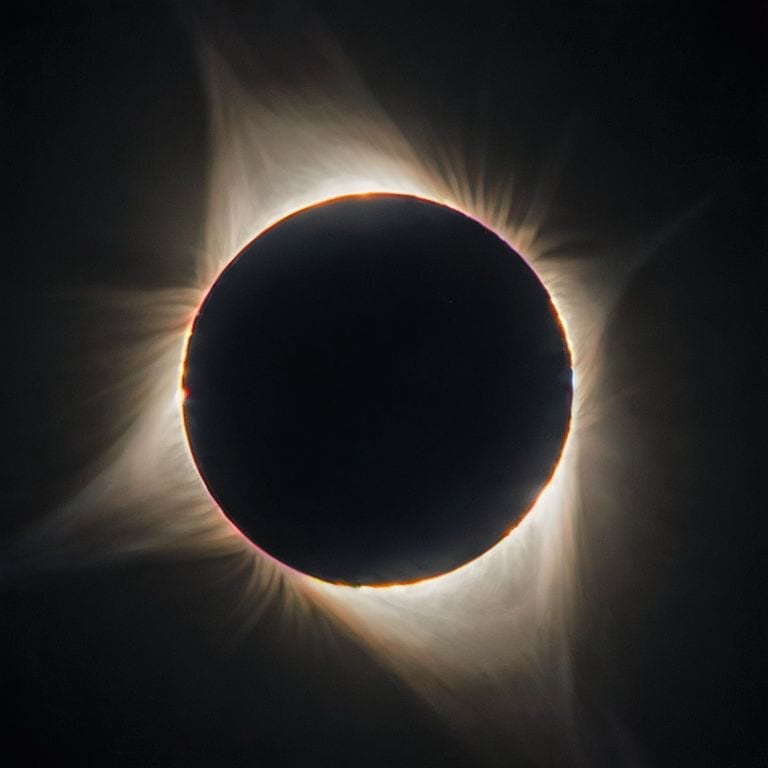
I still remember the night sky from my childhood, where the stars seemed to twinkle with an otherworldly rhythm, and my grandfather’s homemade telescope revealed the magic of the cosmos. As I grew older, my fascination with the universe only deepened, and I found myself pondering the mysteries of how does gravity bend light. It’s a phenomenon that has captivated scientists and stargazers alike for centuries, and yet, it’s often shrouded in complex terminology and abstract concepts. But what if I told you that understanding this cosmic wonder is within reach, and it’s not as complicated as you might think?
As we embark on this journey to explore how does gravity bend light, I promise to guide you through the universe’s secrets with clarity and precision. My goal is to make the complex beauty of astrophysics accessible to everyone, and to share my passion for the stars with you. In the following pages, I’ll take you on a tour of the cosmic landscape, where gravity and light dance in an intricate ballet. We’ll delve into the mysteries of gravitational lensing, and I’ll share with you the latest discoveries and insights from the world of astrophysics. So, let’s venture forth into the unknown, and may the stars be our guide.
Table of Contents
- Cosmic Gravity Lensing
- How Does Gravity Bend Light
- Astrophysical Implications Measuring Cosmological Distances
- Spacetime Curvature Photons Winding Paths
- Navigating the Cosmic Dance: 5 Key Insights into Gravity's Light-Bending Wonders
- Unveiling the Cosmic Dance: 3 Key Takeaways
- Unveiling the Cosmic Dance
- Cosmic Reflections: The Enduring Allure of Gravity's Light Bending
- Frequently Asked Questions
Cosmic Gravity Lensing
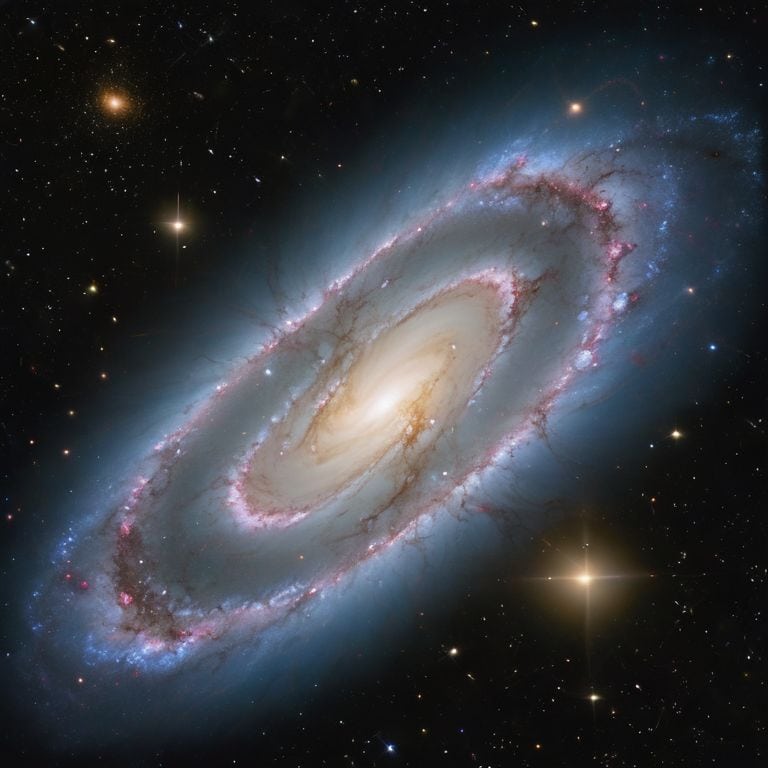
As I delve into the mysteries of cosmic gravity lensing, I’m reminded of the awe-inspiring moments spent gazing up at the star-filled sky, wondering about the secrets the universe holds. The phenomenon of gravitational lensing is a fascinating display of spacetime curvature effects on photons, where the massive objects in space, such as galaxies and black holes, bend and distort the light passing around them. This bending of light allows us to study distant objects that would otherwise be invisible to us, making it a powerful tool for astrophysical research.
The observation of Einstein rings, which are the result of light being bent around a massive object, is a striking example of gravitational lensing in action. By studying these rings, scientists can gain valuable insights into the distribution of mass and energy in the universe, shedding light on the astrophysical implications of gravitational lensing. This, in turn, helps us better understand the behavior of light in extreme environments, such as near black holes, where the bending of light around black holes is particularly pronounced.
As we continue to explore the universe, gravitational lensing plays a crucial role in cosmological distance measurements, enabling us to map the vast expanse of space with greater precision. By leveraging the effects of gravitational lensing, researchers can infer the presence of massive objects, even if they are invisible, and gain a deeper understanding of the universe’s large-scale structure. This has significant implications for our understanding of the cosmos, and I find myself eager to explore the many secrets that lie hidden, waiting to be uncovered by the curious minds of astronomers and astrophysicists alike.
Einstein Ring Observation Unveiling Hidden Galaxies
As I delve into the fascinating realm of cosmic gravity lensing, I find myself pondering the intricate dance of light and gravity. The observation of Einstein Rings is a pivotal aspect of this phenomenon, where the light from a distant galaxy is bent around a massive foreground object, creating a ring-like appearance.
The cosmic magnification effect allows us to glimpse hidden galaxies that would otherwise be too distant to observe. This phenomenon has opened up new avenues for research, enabling us to study the formation and evolution of galaxies in unprecedented detail.
Gravitational Redshift a Cosmic Siren
As we delve deeper into the mysteries of gravity’s impact on light, we encounter a phenomenon that whispers secrets of the cosmos – gravitational redshift. This effect, where light is shifted towards the red end of the spectrum as it escapes a gravitational field, is a telltale sign of the universe’s hidden forces at play.
The cosmic tug of gravity on light is not just a curiosity, but a window into the very fabric of spacetime. As light struggles to free itself from the grasp of a massive object, its energy is sapped, leaving us with a faint, redshifted echo of a distant event, a reminder of the universe’s profound influence on the behavior of light and matter.
How Does Gravity Bend Light
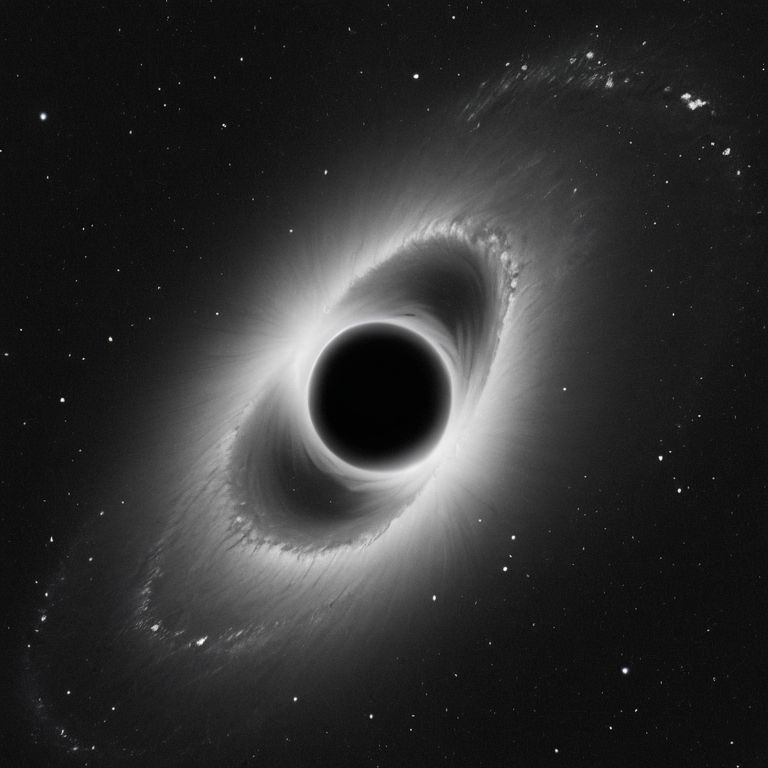
As I delve into the mysteries of gravity’s effect on light, I’m reminded of the spacetime curvature effects on photons, which is a fundamental concept in understanding how gravity bends light. The phenomenon is a direct result of massive objects warping the fabric of spacetime, causing light to follow curved paths around them. This is evident in the bending of light around black holes, where the intense gravitational field creates a region from which not even light can escape.
The astrophysical implications of gravitational lensing are far-reaching, allowing us to study distant galaxies and cosmic structures in unprecedented detail. By observing the Einstein ring observation techniques, we can gain insights into the distribution of mass and energy in the universe, shedding light on the properties of dark matter and dark energy. This, in turn, enables us to make more accurate cosmological distance measurements using lensing, helping us better understand the expansion history of the universe.
The gravitational redshift explanation provides a fascinating example of how gravity influences light, where the gravitational potential of a massive object causes a shift in the wavelength of light emitted from it. This effect, though small, has significant implications for our understanding of the universe on large scales, particularly when combined with the study of bending of light around black holes. By exploring these phenomena, we can unravel the intricate dance between gravity, light, and spacetime, revealing the hidden secrets of the cosmos.
Astrophysical Implications Measuring Cosmological Distances
As we delve into the astrophysical implications of gravity bending light, we find ourselves at the forefront of measuring cosmological distances. This phenomenon allows us to peer into the vast expanse of the universe, uncovering secrets that were previously hidden from us. By studying the bending of light around massive objects, we can gain insights into the distribution of mass and energy across the cosmos.
The curvature of spacetime plays a crucial role in our understanding of these distances, enabling us to refine our models of the universe’s expansion and evolution. By carefully analyzing the bent light, we can make precise calculations about the distances to distant galaxies and celestial objects, ultimately shedding more light on the mysteries of the cosmos.
Spacetime Curvature Photons Winding Paths
As I delve into the mysteries of spacetime, I’m reminded of how gravity’s influence weaves a complex tapestry, guiding photons along curved trajectories. This phenomenon is a direct result of massive objects warping the fabric of spacetime, effectively creating a gravitational landscape that light must navigate.
The paths that photons take are not straight lines, but rather winding roads through the curved spacetime, a consequence of the interplay between mass, energy, and the fabric of the universe. This curvature is what gives rise to the bending of light, a fundamental aspect of gravitational physics that continues to fascinate and inspire my research.
Navigating the Cosmic Dance: 5 Key Insights into Gravity's Light-Bending Wonders
- Understand the concept of spacetime curvature, where massive objects like stars and black holes warp the fabric of space, influencing the path of photons
- Recognize the role of gravitational lensing, which can magnify, distort, or even create multiple images of distant galaxies, offering a window into the universe’s hidden treasures
- Explore the phenomenon of gravitational redshift, where light emitted from white dwarfs or neutron stars is stretched towards the red end of the spectrum, a cosmic siren signaling the intense gravitational fields at play
- Learn to identify Einstein rings, the telltale sign of a precise alignment between an observer, a foreground galaxy, and a background galaxy, unveiling the presence of hidden galaxies and dark matter
- Delve into the astrophysical implications of light bending, including the measurement of cosmological distances, the mapping of galaxy clusters, and the study of the universe’s large-scale structure, all of which rely on our understanding of gravity’s subtle yet profound effects on light
Unveiling the Cosmic Dance: 3 Key Takeaways
Gravity’s subtle yet profound impact on light reveals the universe’s hidden harmony, where massive objects warp spacetime, bending photons in a majestic display of cosmic curvature
The observation of gravitational redshift and Einstein rings not only confirms Einstein’s theory of general relativity but also serves as a cosmic tool, unveiling hidden galaxies and measuring cosmological distances with unprecedented precision
Through the lens of astrophysics, we find that the bending of light by gravity is not just a phenomenon, but a gateway to understanding the universe’s grand tapestry, weaving together spacetime, matter, and energy in an ever-unfolding narrative of wonder and discovery
Unveiling the Cosmic Dance
Gravity’s bend on light is not just a phenomenon, but a whispered secret of the universe, reminding us that even in the vast expanse of space, the fabric of reality is intertwined with the gentle touch of celestial bodies.
Dr. Edward Woods
Cosmic Reflections: The Enduring Allure of Gravity's Light Bending
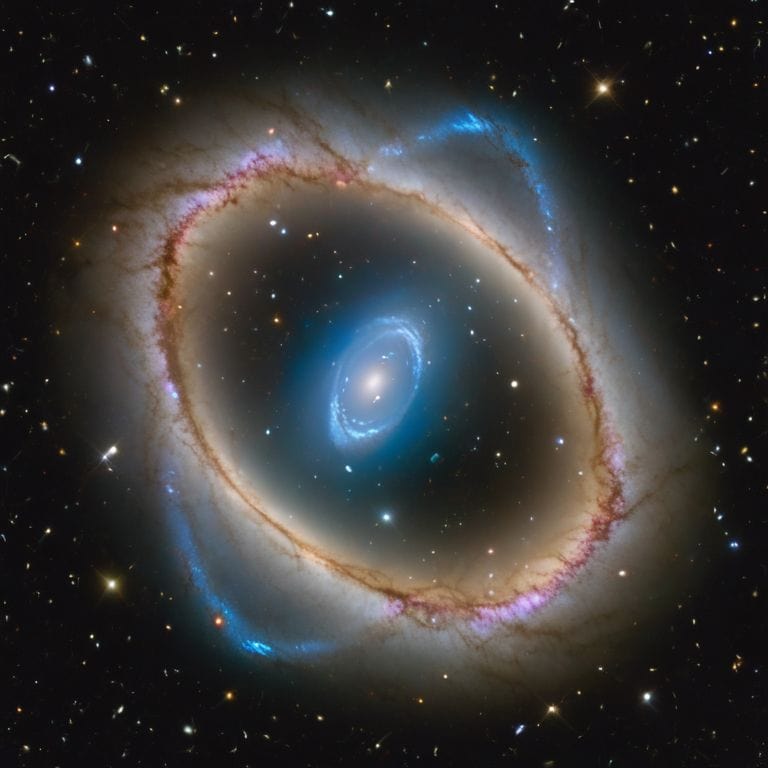
As we conclude our journey through the realm of gravity and its mesmerizing effect on light, let’s recap the cosmic dance of gravity lensing, gravitational redshift, and spacetime curvature. We’ve delved into the fascinating world of Einstein rings, unveiling hidden galaxies, and explored how these phenomena allow us to measure cosmological distances. The intricate ballet of mass, space, and time has been illuminated, showcasing the universe’s profound beauty and complexity.
In the grand tapestry of existence, the bending of light by gravity serves as a poignant reminder of the awe-inspiring mysteries that remain to be unraveled. As we gaze up at the starry sky, we’re not just seeing light from distant worlds; we’re witnessing the universe’s secrets slowly revealing themselves to us, inviting us to continue exploring, discovering, and marveling at the celestial wonders that surround us.
Frequently Asked Questions
What are the observable effects of gravity bending light in our everyday lives?
You might not notice it, but gravity’s effect on light is all around us. For instance, the bending of light around massive objects, like the Earth, causes a slight distortion in the image of the horizon, making it seem slightly higher than it actually is – a subtle yet fascinating phenomenon that reminds me of the universe’s constant, gentle whisper.
How does the bending of light around massive objects like black holes or neutron stars differ from that around less massive objects like planets?
The bending of light, or gravitational lensing, varies greatly depending on the mass of the object. Around black holes or neutron stars, the intense gravity creates extreme curvature, bending light in dramatic ways. In contrast, less massive objects like planets produce much milder effects, a subtle whisper of gravity’s presence, making them fascinating yet challenging to study.
Can the phenomenon of gravity bending light be used to study the distribution of dark matter in the universe?
You see, gravity’s effect on light can indeed serve as a cosmic probe for dark matter. By observing how light bends around massive clusters, we can infer the presence of dark matter, even if it’s invisible to our telescopes. It’s like using gravitational lensing as a flashlight to illuminate the universe’s hidden architecture.