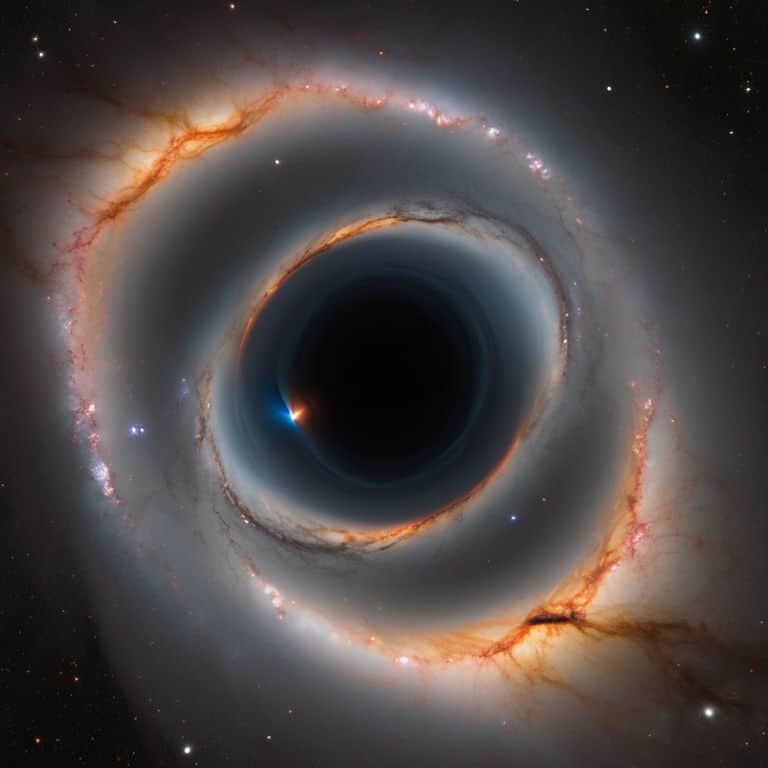
As I sit here, compass in hand, gazing up at the starry night sky, I’m reminded of the countless times I’ve been asked what are black holes. It’s a question that sparks both fascination and frustration, as it’s often shrouded in mystery and misconceptions. I recall a conversation with a friend who believed that black holes were like cosmic vacuum cleaners, sucking up entire galaxies – a notion that, while intriguing, is far from accurate. It’s time to set the record straight and explore the real nature of these cosmic enigmas.
In this article, I promise to take you on a journey through the uncharted territories of black holes, stripping away the hype and jargon to reveal the fascinating truth. As someone who’s spent years studying the wonders of the universe, I’ll share my own experiences and insights to help you navigate the complex world of astrophysics. From the basics of what black holes are to the latest discoveries and theories, I’ll provide you with a no-nonsense guide to understanding these mysterious phenomena. So, join me on this adventure as we delve into the unknown, and discover the beauty and complexity of the cosmos, one starry night at a time.
Table of Contents
What Are Black Holes
As I stand under the starry night sky, I often find myself pondering the mysteries of the universe, and one phenomenon that has always fascinated me is the formation of black holes. These cosmic enigmas are essentially regions in space where gravity is so strong that nothing, not even light, can escape. The journey to understanding black holes begins with the realization that they are formed when a massive star collapses in on itself, creating an intense gravitational pull.
Delving deeper into black hole information, it’s intriguing to note the different types of black holes in space, each with its unique characteristics. From stellar black holes formed from star collapse to supermassive black holes found at the centers of galaxies, the variety is astounding. The comparison between a black hole vs neutron star also offers insights into the extreme conditions that govern these celestial bodies. While both are incredibly dense, the key difference lies in their composition and the forces that hold them together.
Theories on black hole singularities propose that at their centers, the laws of physics as we know them break down. This black hole effect on spacetime is a mind-boggling concept, suggesting that the fabric of space and time is severely distorted near a black hole. As someone who loves capturing the beauty of nature through my lens, the idea of such powerful, invisible forces shaping the universe is both humbling and awe-inspiring, encouraging me to continue exploring and learning about these cosmic wonders.
Black Hole Information for Kids Explained
As I share my passion for the cosmos with the next generation, I’m reminded that exploring the universe can be a thrilling adventure for kids. When explaining black holes to young minds, it’s essential to use relatable examples, such as comparing the strong gravity of a black hole to a super-powerful vacuum cleaner that sucks up everything that gets too close.
I’ve found that using visual aids can be incredibly helpful in making complex concepts more accessible and fun for kids to understand. By showing them images or videos of stars, planets, and galaxies, we can spark their curiosity and inspire a lifelong love for learning about the wonders of the universe.
Formation of Black Holes Unveiled
As I venture into the cosmos, I find myself entwined in the mystery of black holes, wondering about the cosmic dance that leads to their formation. It’s a tale of massive stars, their lives a fleeting moment in the grand tapestry of time, ending in a supernova explosion that leaves behind either a neutron star or, if the star is massive enough, a black hole.
The gravitational collapse of these stars is a pivotal moment, marking the beginning of a black hole’s life. This collapse is so intense that it warps the fabric of spacetime around it, creating an event horizon that traps everything, including light, in an eternal embrace.
Beyond Black Hole Mysteries
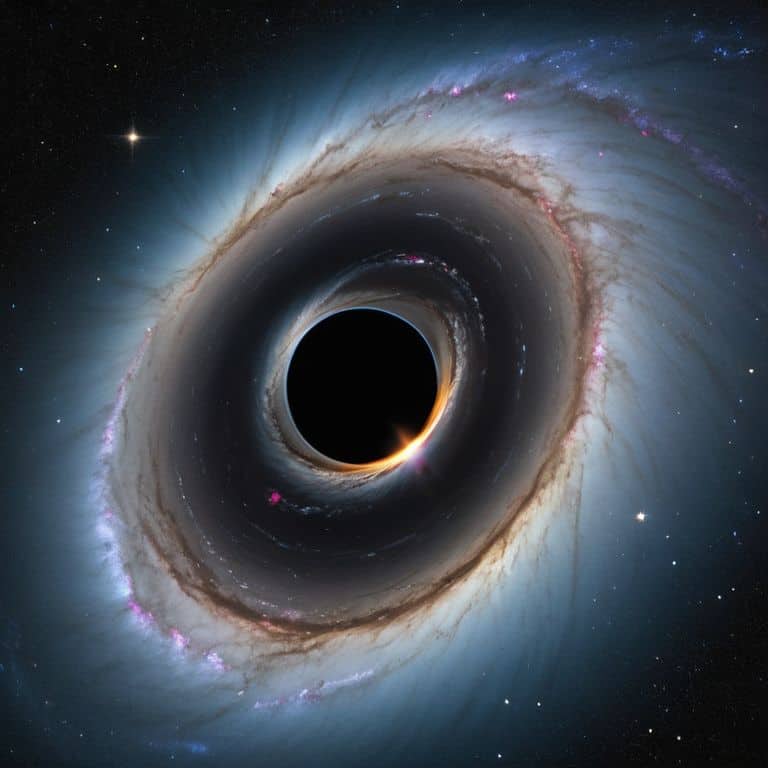
As I venture beyond the cosmic horizon, I find myself entwined in the intricate dance of _black hole singularities_ and their profound impact on our understanding of spacetime. The _formation of black holes_ is a complex process, yet it’s fascinating to explore how these regions of intense gravity warp the fabric of our universe.
Delving deeper into the mysteries of black holes, I’ve come across intriguing theories on black hole singularities that attempt to explain the mind-boggling density at their centers. These theories not only challenge our current grasp of physics but also invite us to ponder the _black hole effect on spacetime_, raising questions about the very nature of reality.
In the grand tapestry of space, black holes are not the only enigmatic entities; _types of black holes in space_ and their distinctions from _black hole vs neutron star_ offer a rich landscape for exploration. By embracing the unknown and exploring these cosmic phenomena, we may uncover new insights into the universe, much like a photographer capturing the essence of nature through their lens, awaiting the next great discovery.
Theories on Black Hole Singularities Revealed
As I delve into the mysteries of black hole singularities, I’m fascinated by the cosmic enigmas that lie at their centers. Theories abound, attempting to explain the unfathomable densities and gravitational pulls that warp space and time.
The concept of spacetime curvature is crucial in understanding these singularities, where the laws of physics as we know them begin to break down.
Types of Black Holes in Space Explored
As I venture deeper into the cosmos, I’m fascinated by the diversity of black holes that exist in our universe. From small, stellar-mass black holes formed from the collapse of individual stars, to supermassive black holes found at the centers of galaxies, each type offers a unique glimpse into the mysteries of space.
My trusty compass may not be able to guide me through the vast expanse of space, but it reminds me of the importance of navigation and exploration. In the realm of black holes, stellar-mass black holes are particularly intriguing, as they provide insights into the life cycles of stars and the formation of galaxies, leaving me in awe of the universe’s complexity.
Navigating the Cosmos: 5 Essential Tips to Understand Black Holes
- Start with the basics: Understand that black holes are regions in space where the gravitational pull is so strong that nothing, not even light, can escape once it falls inside
- Explore the formation process: Learning how black holes are formed, often from the collapse of massive stars, can deepen your understanding of these cosmic phenomena
- Distinguish between types: Recognize that there are different types of black holes, including stellar, intermediate-mass, and supermassive black holes, each with unique characteristics
- Delve into the mysteries of singularities: The center of a black hole, known as a singularity, is a point of infinite density and zero volume, challenging our current understanding of physics and space
- Approach with a curious mindset: Remember that black holes are still largely mysterious, and approaching them with a sense of wonder and curiosity can lead to a more engaging and enlightening learning experience
Key Takeaways from Our Cosmic Journey
Black holes are awe-inspiring cosmic phenomena formed from the gravitational collapse of massive stars, offering us a glimpse into the universe’s most extreme environments
Different types of black holes, such as stellar, intermediate-mass, and supermassive black holes, each possess unique characteristics that continue to intrigue scientists and theorists, fueling ongoing research and debate
By exploring the mysteries of black holes, we not only deepen our understanding of the universe but also inspire new generations of stargazers, astronauts, and scientists to venture into the unknown, driven by an insatiable curiosity about the cosmos and our place within it
Unveiling the Cosmic Enigma
Black holes are not just voids in space, but gatekeepers of the universe’s secrets, whispering tales of gravity, time, and the infinite possibilities that lie beyond the reaches of our mortal comprehension.
Lila Wanderstone
Unveiling the Cosmic Enigma: A Journey Beyond Black Holes
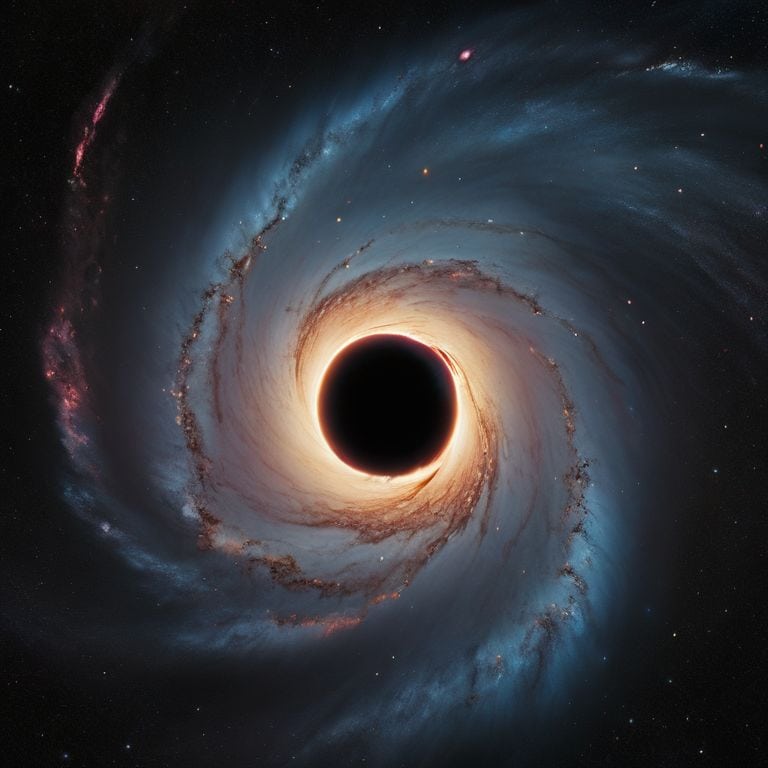
As I conclude my exploration of black holes, I’m reminded of the cosmic dance between gravity, space, and time. From the formation of black holes to the mysteries of singularities, our journey has unraveled the complexities of these celestial entities. We’ve delved into the types of black holes that inhabit our universe, and touched upon the theories that attempt to explain their behavior. Through this journey, I hope you’ve gained a deeper understanding of the awe-inspiring forces that shape our cosmos.
As we gaze up at the starry night sky, let’s remember that the mysteries of the universe are a testament to human curiosity and the unrelenting pursuit of knowledge. May our exploration of black holes inspire us to continue pushing the boundaries of what we thought was possible, and may the beauty of the unknown forever guide us on our path to discovery.
Frequently Asked Questions
What happens to the information contained in matter that falls into a black hole?
As I ponder the cosmos, I’m often asked about the fate of information within matter that falls into a black hole. The concept is mind-boggling – according to theories, this information may be preserved, but in a way that’s still not fully understood, leaving us with more questions about the universe’s secrets.
Can black holes be found in our galaxy and do they pose any threat to Earth?
As I gaze up at the starry night sky, I often wonder about black holes in our own galaxy. Yes, they do exist, and our galaxy is home to a supermassive black hole at its center. Fortunately, it doesn’t pose a threat to Earth, and I’ll delve into the fascinating details of these cosmic neighbors in my next tale.
How do scientists detect black holes if they are invisible and do not emit any light?
As I’ve learned through my travels and conversations with astronomers, scientists detect black holes by observing the effects they have on nearby stars, gas, and other celestial objects, using techniques like radio and X-ray telescopes to spot the telltale signs of a black hole’s presence.