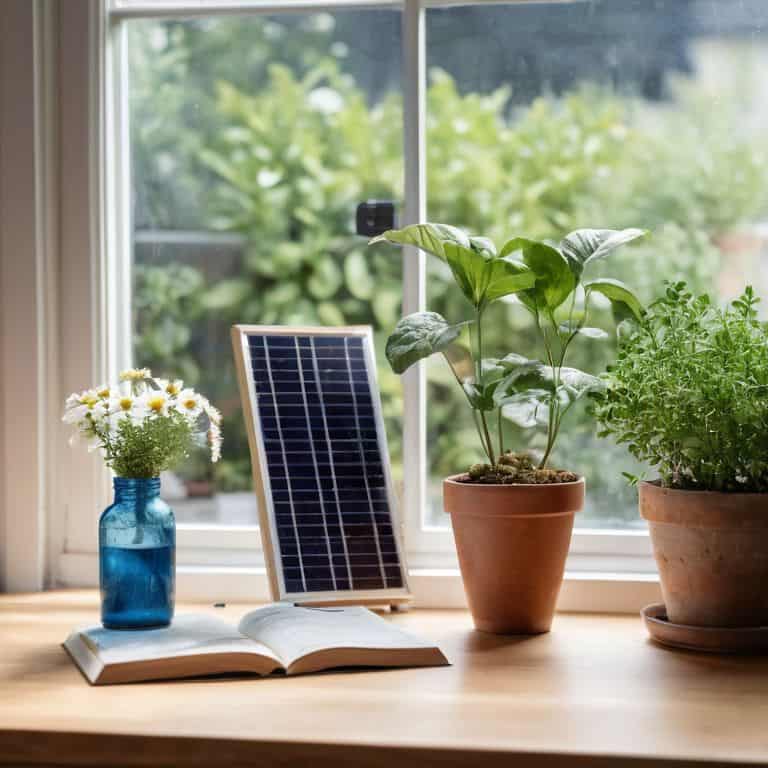
I still remember the day I decided to reduce my carbon footprint at home. I was sipping coffee in my tiny Oregon oasis, surrounded by the lush greenery of my urban garden, when I realized that even small changes can make a big difference. The myth that reducing our carbon footprint requires a complete overhaul of our lifestyle is simply not true. In fact, it’s often the simple, everyday habits that can have the most significant impact. As someone who’s passionate about living a balanced and fulfilling life, I’m excited to share my journey of how to reduce your carbon footprint at home.
As you read this article, you can expect to gain practical tips and honest advice on how to make your home a greener, more sustainable space. We’ll explore ways to minimize waste, conserve energy, and create a more eco-friendly environment that works for you and your family. My goal is to empower you with the knowledge and inspiration you need to start making small changes that can add up to make a big difference. Whether you’re a seasoned urban gardener like me or just starting out on your sustainability journey, I invite you to join me in discovering the simple joys of reducing your carbon footprint at home.
Table of Contents
- Guide Overview: What You'll Need
- Step-by-Step Instructions
- Nurturing Home Harmony
- Cultivating a Greener Home: 5 Simple Steps to Reduce Your Carbon Footprint
- Cultivating a Greener Tomorrow: 3 Key Takeaways
- Cultivating Change from the Ground Up
- Cultivating a Greener Tomorrow
- Frequently Asked Questions
Guide Overview: What You'll Need
Total Time: 1 hour 45 minutes
Estimated Cost: $50 – $100
Difficulty Level: Easy
Tools Required
- LED Light Bulbs (energy-efficient replacements)
- Power Strip (for easy appliance shutdown)
- Thermostat (programmable for temperature control)
- Water Meter (for monitoring usage)
- Measuring Tape (for assessing insulation needs)
- Caulk Gun (for sealing air leaks)
Supplies & Materials
- Insulation Materials (e.g., fiberglass batts, cellulose)
- Low-Flow Showerheads (for water conservation)
- Energy-Efficient Appliances (e.g., refrigerators, dishwashers)
- Recycling Bins (for proper waste sorting)
- Compost Bin (for food waste reduction)
- Drought-Resistant Plants (for outdoor landscaping)
Step-by-Step Instructions
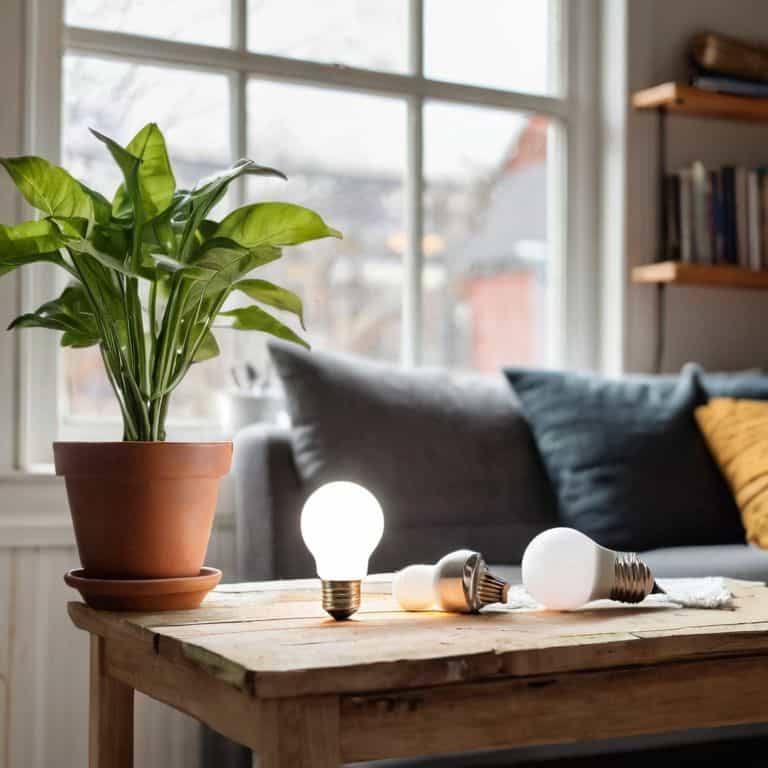
- 1. First, let’s start with the low-hanging fruit: swapping out those old incandescent light bulbs for some energy-efficient ones, like LEDs or CFLs. This simple switch can make a significant impact on your energy consumption, and it’s a great way to begin your journey to a greener home. I’ve done this in my own apartment, and it’s amazing how much of a difference it can make.
- 2. Next, take some time to assess your energy usage by reviewing your past utility bills and identifying areas where you can cut back. Look for patterns and trends, and think about ways you can reduce your consumption during peak hours. For me, this meant being more mindful of my energy usage during the summer months when I tend to use my air conditioner more often.
- 3. Now, let’s talk about smart home devices, which can be a great way to optimize your energy usage and make your home more efficient. Consider investing in a smart thermostat, which can learn your schedule and preferences to automate your temperature control. I’ve found that this has been a game-changer for me, especially during the colder months when I tend to forget to turn down the heat.
- 4. Another simple yet effective step is to reduce your water waste by fixing any leaks and installing low-flow fixtures. This not only saves water but also reduces the energy needed to heat and treat it. I’ve made it a habit to check for leaks regularly, and it’s surprising how much of a difference it can make.
- 5. One of my favorite ways to reduce my carbon footprint is by embracing the power of plants. Indoor plants like spider plants and peace lilies are not only great air purifiers, but they also help to naturally regulate the temperature in your home. Plus, they’re just so pretty and calming to have around!
- 6. Let’s not forget about sustainable cleaning, which is an often-overlooked area when it comes to reducing our carbon footprint. Consider switching to eco-friendly cleaning products that are free from harsh chemicals and better for the environment. I’ve started making my own cleaning solutions using natural ingredients like baking soda and vinegar, and it’s been a fun and creative way to reduce my waste.
- 7. Finally, think about ways you can reduce your food waste by planning your meals, using up leftovers, and composting. This not only reduces the amount of energy needed to produce, transport, and store food, but it also helps to reduce greenhouse gas emissions from landfills. I’ve started a small compost bin in my kitchen, and it’s been amazing to see how much of a difference it can make in reducing my waste.
Nurturing Home Harmony
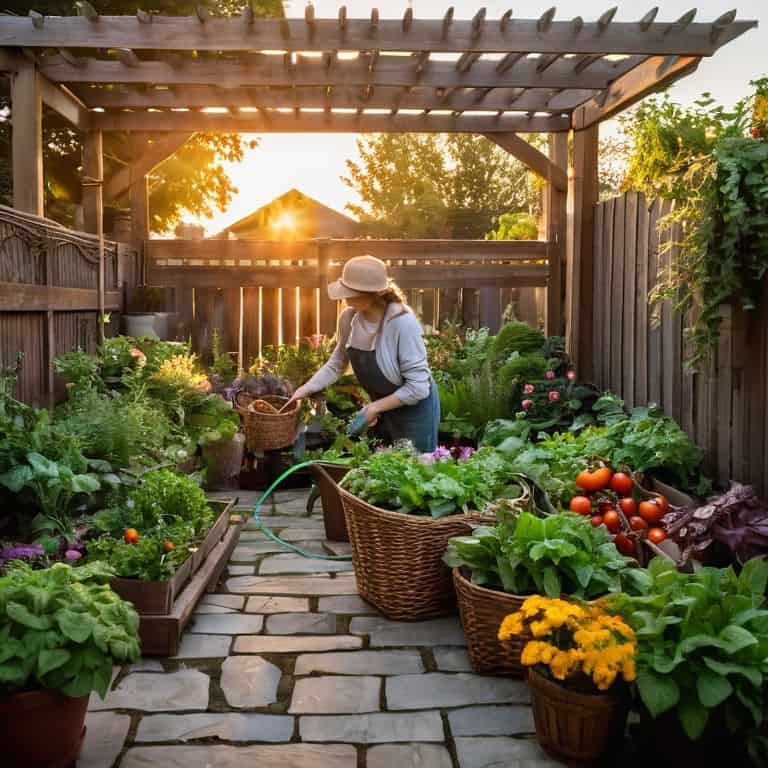
As I tend to my urban garden, I’m reminded that nurturing home harmony is just as important as reducing our environmental impact. It’s about creating a space that not only minimizes waste but also promotes well-being. For me, this means incorporating eco-friendly diet tips into my daily routine, like choosing seasonal and locally sourced produce. By doing so, I’m not only reducing my carbon footprint but also supporting my local community.
In my experience, making small changes can add up to make a big difference. For instance, switching to energy efficient home appliances can significantly reduce energy consumption. Additionally, exploring renewable energy sources for homes can be a game-changer. I’ve been considering investing in solar panels for my own home, and I’m excited to see the positive impact it will have on my energy bill and the environment.
As I continue on my journey to live more sustainably, I’m always looking for simple ways to live more sustainably. One of my favorite tips is to reduce household consumption waste by composting and repurposing items. It’s amazing how much of a difference it can make, and it’s also a great way to create nutrient-rich soil for my garden. By making these small changes, I’m able to create a more harmonious and sustainable living space that benefits both me and the environment.
Eco Friendly Diets for Less Waste
As I tend to my urban garden, I’m reminded that nurturing home harmony extends to our plates. Adopting an eco-friendly diet is a powerful way to reduce waste. For me, it starts with choosing seasonal, locally sourced produce – just like the fresh herbs I grow on my windowsill. This approach not only reduces carbon footprint but also supports the local community.
By embracing plant-based meals and composting food scraps, we can significantly lessen our environmental impact. I’ve found that simple swaps, like opting for bulk bins and reusable bags, make a big difference. As I jot down new recipe ideas in my notebook, I’m inspired by the potential for small changes to add up and create a more sustainable, harmonious home.
Sowing Seeds With Renewable Energy
As I tend to my urban garden, I’m reminded of the interconnectedness of our daily choices and the natural world. Investing in renewable energy sources, like solar panels or wind turbines, can significantly reduce our reliance on fossil fuels. Even small changes, such as switching to energy-efficient light bulbs, can make a difference. I’ve seen it in my own home, where a few simple swaps have lowered my energy consumption and nurtured a sense of harmony with the environment.
By embracing renewable energy, we’re not only shrinking our carbon footprint but also cultivating a more mindful approach to our daily lives. As I jot down notes in my trusty notebook, I’m inspired by the potential for positive change that begins in our own homes.
Cultivating a Greener Home: 5 Simple Steps to Reduce Your Carbon Footprint
- Start small by making conscious choices in your daily routine, like using public transport, carpooling, or biking for shorter trips, just as I do when exploring the city
- Bring the outdoors in by incorporating urban gardening into your lifestyle, even if it’s just a few herbs on your windowsill, to help purify the air and promote a sense of well-being
- Make the switch to energy-efficient lighting and appliances, and don’t forget to turn off those lights when not in use – every little bit counts in reducing our collective carbon footprint
- Embrace the power of renewable energy by investing in solar panels or renewable energy credits to support clean energy production, a step I’ve been considering for my own little Oregon oasis
- Reduce food waste by planning your meals, using up leftovers, and composting food scraps to create nutrient-rich soil for your urban garden, a habit that’s not only eco-friendly but also nourishing for both body and soul
Cultivating a Greener Tomorrow: 3 Key Takeaways
By embracing renewable energy sources and making conscious choices in our daily lives, we can significantly reduce our carbon footprint and create a more sustainable home environment
Incorporating eco-friendly diets and reducing food waste can have a profound impact on our overall well-being and the health of our planet, allowing us to nurture a deeper connection with nature
As we continue on our journey towards a more balanced and fulfilling life, remember that every small change – from turning off lights to growing our own urban gardens – is a seed of change that can blossom into a more vibrant, sustainable future
Cultivating Change from the Ground Up
As we tend to our homes, we must also tend to the earth – every small step, from the seeds we sow to the energy we use, is a chance to nurture a greener tomorrow, and to remember that the simplest acts can be the most profound.
Eli Woods
Cultivating a Greener Tomorrow

As we conclude our journey on reducing our carbon footprint at home, let’s take a moment to reflect on the simple yet powerful steps we’ve explored. From swapping out old light bulbs for energy-efficient ones to embracing renewable energy sources and adopting eco-friendly diets, every small change counts. We’ve also delved into the importance of nurturing home harmony, recognizing that our personal spaces are not just a reflection of ourselves, but also a vital part of the larger ecosystem. By implementing these practices, we not only contribute to a more sustainable future, but also cultivate a sense of balance and well-being in our daily lives.
As we move forward, remember that the true power lies not in grand gestures, but in the consistent application of small, mindful changes. Just as a garden requires patience, care, and attention to flourish, our efforts to reduce our carbon footprint at home are most effective when they become an integral part of our daily routines. So, let’s continue to tend to our gardens, both literal and metaphorical, with love, dedication, and a deep understanding of our interconnectedness with the natural world. Together, we can create a greener, more compassionate tomorrow, one seed at a time.
Frequently Asked Questions
What are some simple and cost-effective ways to make my home more energy-efficient?
I’m all about simple swaps! Try switching to energy-efficient light bulbs, like LEDs, and get into the habit of turning off lights, electronics, and taps when not in use. These tiny tweaks can make a big difference, and they’re easy on the wallet too!
How can I reduce food waste and implement eco-friendly eating habits in my daily life?
For me, eco-friendly eating starts with a simple mindset shift: embracing imperfection and using up every bit of what I buy. I plan meals around what’s already in my fridge, and love getting creative with leftover recipes – it’s amazing how a little flexibility can reduce food waste and bring some extra joy to mealtime!
Are there any specific urban gardening techniques that can help purify the air and reduce my carbon footprint in a small city space?
I’m a huge fan of urban gardening for air purification. In my own city space, I use plants like spider plants and peace lilies to absorb toxins. For a small space, try vertical gardening or a window box with air-purifying herbs like basil and mint. It’s amazing how even a few plants can make a big difference in air quality and reduce your carbon footprint.