I still remember the day I realized that living a greener life didn’t have to be a daunting task. I was sipping coffee in my small urban garden, surrounded by the vibrant plants I had nurtured from seeds, and it hit me – simple ways to live more sustainably are all about making intentional choices in our daily lives. It’s not about overhauling our entire existence, but about embracing small, meaningful changes that add up to make a significant difference. For me, it started with reducing plastic use and increasing my composting, which not only helped the planet but also brought me closer to nature, even in the midst of the city.
As someone who’s passionate about empowering others to find their own path to a more sustainable lifestyle, I want to share with you the practical tips and tricks I’ve learned along the way. In this article, you’ll discover how to cultivate a greener you, one step at a time, without feeling overwhelmed or sacrificing the comforts of modern life. From easy swaps in your kitchen to clever ways to repurpose and reuse, we’ll explore the honest, no-hype advice you need to start making a positive impact on the environment. My goal is to inspire you to take that first step, no matter how small it seems, and to show you that living more sustainably is not only good for the planet, but also incredibly fulfilling.
Table of Contents
Guide Overview: What You'll Need
Total Time: 1 hour to 1 day
Estimated Cost: $0 – $100
Difficulty Level: Easy
Tools Required
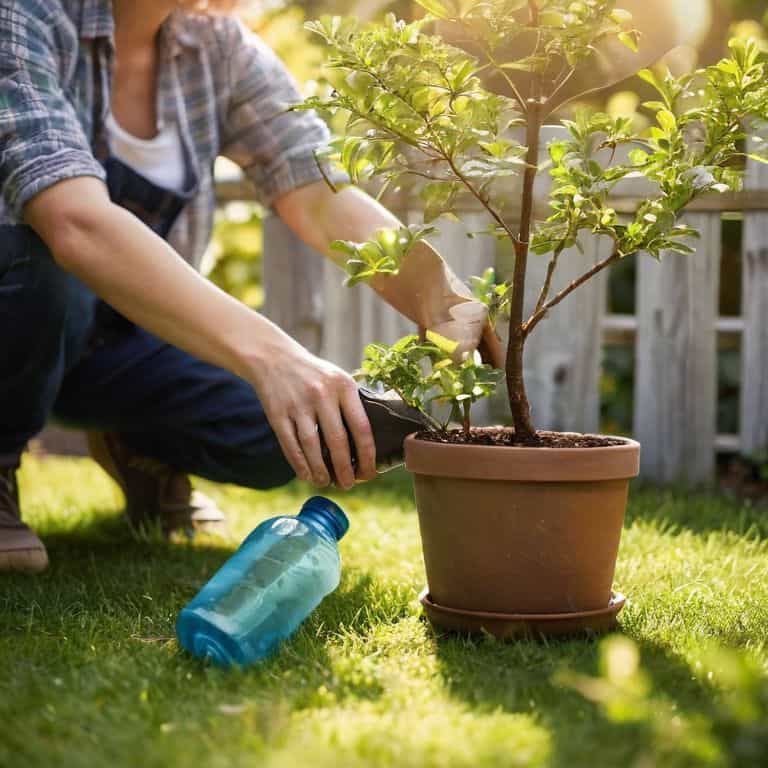
- Reusable Water Bottle (for reducing plastic use)
- Energy-Efficient Light Bulbs (for replacing traditional bulbs)
- Compost Bin (for recycling food waste)
- Bicycle (for eco-friendly transportation)
- Rainwater Collection System (for conserving water)
Supplies & Materials
- Eco-Friendly Cleaning Products (for reducing chemical use)
- Cloth Bags (for reducing plastic bag use)
- Recycled Paper Products (for reducing deforestation)
- Solar-Powered Chargers (for reducing energy consumption)
- Locally Sourced Foods (for reducing carbon footprint)
Step-by-Step Instructions
- 1. First, let’s start with the basics: reducing waste is a crucial step in living more sustainably. Begin by taking a closer look at your daily habits and identifying areas where you can cut back on single-use plastics, paper products, and other non-essential items. For me, it started with switching to reusable bags for grocery shopping and carrying a refillable water bottle everywhere I go.
- 2. Next, focus on conserving energy in your home by making a few simple adjustments. Replace traditional light bulbs with LED ones, which not only last longer but also consume significantly less power. Additionally, get into the habit of turning off lights, electronics, and appliances when not in use to avoid standby power consumption. It’s amazing how these small changes can add up over time.
- 3. Now, let’s talk about sustainable eating. One of the easiest ways to live more sustainably is to start incorporating more plant-based meals into your diet. Not only is this better for your health, but it also has a significant impact on reducing greenhouse gas emissions. Start by trying out one or two new vegetarian recipes each week and see how your taste buds and the planet thank you.
- 4. To further reduce your carbon footprint, consider composting as a way to turn food scraps and yard waste into nutrient-rich soil for your garden. If you’re new to composting, start small with a simple bin or pile in your backyard. It’s a great way to recycle organic matter and create a natural fertilizer for your plants, reducing the need for synthetic alternatives.
- 5. Another significant step towards a more sustainable lifestyle is reducing water usage. Implementing water-saving practices can be as simple as taking shorter showers, fixing leaky faucets, or installing low-flow showerheads and toilets. Every gallon saved counts, and these habits can also lead to significant savings on your water bill over time.
- 6. For those with the space, starting a small garden can be a rewarding and sustainable hobby. Urban gardening not only provides you with fresh, homegrown produce but also helps purify the air and support local biodiversity. Begin with easy-to-grow plants like herbs, tomatoes, or leafy greens, and don’t be afraid to experiment and learn as you go.
- 7. Lastly, embrace the concept of minimalism in your daily life. Living with fewer, but more meaningful, possessions can significantly reduce waste and the demand for new, resource-intensive products. Start by decluttering one area or room at a time, donating or repurposing items whenever possible. This mindset shift can lead to a more intentional, sustainable approach to consumption and a greater appreciation for what truly adds value to your life.
Sowing Seeds of Sustainability
As I sit in my urban garden, surrounded by the lush greenery I’ve nurtured, I’m reminded of the power of small changes. Implementing zero waste lifestyle tips can seem daunting, but it’s truly about making a few intentional decisions each day. For me, it started with switching to eco-friendly product alternatives, like reusable bags and refillable water bottles. These small swaps have not only reduced my environmental footprint but also inspired a sense of mindfulness in my daily routine.
I’ve also been exploring sustainable fashion trends, and I’m excited to share that it’s not just about buying new, eco-friendly clothing. You can also make a significant impact by embracing minimalist living benefits, like adopting a capsule wardrobe or swapping clothes with friends. This approach not only reduces waste but also encourages a more thoughtful approach to consumption. By being more intentional with our purchases, we can significantly reduce the environmental impact of fast fashion.
As I continue on my own journey towards a more sustainable lifestyle, I’m constantly reminded of the importance of community support. Sharing tips and resources with friends and family has not only helped me stay accountable but also inspired others to make their own changes. Whether it’s reducing energy consumption at home or exploring new eco-friendly habits, remember that every small step counts, and making a difference starts with a single decision.
Eco Friendly Alternatives for a Greener Home
As I tend to my urban garden, I’m reminded of the simple swaps that can make a big impact. Switching to eco-friendly alternatives at home is a great place to start. I’ve made the switch to reusable beeswax wraps instead of plastic wrap, and it’s been a game-changer. I also love using refillable glass containers for storage, and opting for natural fibers like bamboo or cotton for my cleaning cloths. These small changes might seem insignificant, but they add up to make a significant difference.
I’ve also started exploring the world of refillable cleaning products, and I’m excited to share some of my favorite finds with you. From all-purpose cleaners to laundry detergent, there are so many effective and eco-friendly options available. By incorporating these alternatives into our daily lives, we can significantly reduce our waste and create a more sustainable home.
Zero Waste Lifestyle Tips for Beginners
As I tend to my urban garden, I’m reminded that every small change adds up. For those just starting out on their zero-waste journey, it can feel overwhelming. Begin by making a few simple swaps, like trading single-use bags for reusable ones or opting for refillable water bottles. I also love using beeswax wraps instead of plastic wrap for food storage – it’s a game-changer!
Remember, it’s all about progress, not perfection. Start with one or two changes and see how they stick. I jot down new ideas in my notebook as they come to me, and I encourage you to do the same. Celebrate your tiny wins, and don’t be too hard on yourself when you slip up – every small step brings us closer to a more sustainable future.
Nurturing a Greener Tomorrow: 5 Simple yet Powerful Sustainability Tips
- Start small by making a few conscious changes to your daily routine, like switching to energy-efficient light bulbs or using public transport for your daily commute
- Bring the outdoors in by creating your own urban garden, even if it’s just a few pots on your windowsill – it’s a great way to purify the air and grow your own herbs
- Reduce your plastic usage by opting for reusable bags, water bottles, and coffee cups – every little bit counts, and it’s amazing how quickly it can become a habit
- Get creative with repurposing and upcycling old items instead of throwing them away – not only is it eco-friendly, but it’s also a fun way to express your creativity
- Make a commitment to buy sustainable, locally sourced products whenever possible, and support companies that prioritize the environment – your dollar has the power to drive positive change
Sowing Seeds of Change: 3 Key Takeaways for a Greener You
Start small by incorporating one or two eco-friendly habits into your daily routine, like carrying a reusable water bottle or switching to energy-efficient light bulbs, and watch how these tiny tweaks can add up to make a big impact
Transform your home into a sustainable oasis by embracing zero-waste practices, such as composting food scraps, repurposing old items, and opting for refillable containers, to significantly reduce your environmental footprint
Get creative and connect with nature by trying your hand at urban gardening, whether it’s a few herbs on your windowsill or a full-fledged backyard garden, and discover the therapeutic benefits of nurturing your own little slice of green heaven
Cultivating Change
As we nurture the earth, we nurture ourselves – every small step towards sustainability is a seed of hope, and together, our collective efforts can bloom into a greener, brighter future.
Eli Woods
Embracing a Sustainable Future
As we’ve explored the simple ways to live more sustainably, it’s clear that making a positive impact on our planet is within reach. From zero waste lifestyle tips to eco-friendly alternatives for our homes, every small step counts. By incorporating these practices into our daily lives, we not only contribute to a healthier environment, but also cultivate a more mindful and balanced approach to living. Whether it’s starting an urban garden, like my own, or simply being more conscious of our consumption habits, the journey to sustainability is a personal and rewarding one.
As we conclude our journey through these simple yet powerful changes, remember that sustainability is a journey, not a destination. It’s about embracing a mindset that values harmony with nature and recognizes the interconnectedness of our actions. So, let’s continue to nurture our own gardens of life, inspiring those around us to do the same, and together, let’s grow a greener, more compassionate world, one small step at a time.
Frequently Asked Questions
How can I make sustainable living a part of my daily routine without feeling overwhelmed?
Start small, friend! Begin with one eco-friendly habit, like bringing a reusable water bottle or coffee cup, and build from there. Celebrate your tiny wins, and don’t be too hard on yourself if you slip up – every small step counts, and it’s all about progress, not perfection!
What are some easy and affordable ways to reduce my energy consumption at home?
Hey friend, reducing energy consumption is a great goal! Simple swaps like switching to LED bulbs, unplugging chargers, and adjusting your thermostat can make a big difference. I also love using power strips to easily turn off electronics when not in use – it’s amazing how quickly these habits can add up and lower your energy bill!
Can small changes to my urban gardening practices really make a significant impact on the environment?
Absolutely, friend! Even tiny tweaks to your urban gardening habits can add up and make a real difference. Think of it as a ripple effect – using compost, choosing drought-resistant plants, or reducing chemical use can all contribute to a healthier planet, one small step at a time.