
I still remember standing in a high-rise boardroom last summer, squinting through a blinding glare that made every single person at the table look like they were undergoing an interrogation. We had millions of dollars in floor-to-ceiling windows, yet we were stuck fighting a losing battle against heavy, dusty blinds that just ruined the view. Everyone was tossing around buzzwords about Smart-Glass Electrochromic Tinting like it was some magical, overnight fix for every architectural headache, but most of the sales pitches I heard were nothing but expensive smoke and mirrors.
I’m not here to sell you on a futuristic fantasy or drown you in technical jargon that doesn’t move the needle. Instead, I want to pull back the curtain on what this technology actually does for your space—and more importantly, where it fails. I’m going to give you the straight truth on the costs, the real-world performance, and whether or not Smart-Glass Electrochromic Tinting is actually worth your investment or just another shiny distraction for your budget.
Table of Contents
Decoding the Magic of Dynamic Glazing Technology
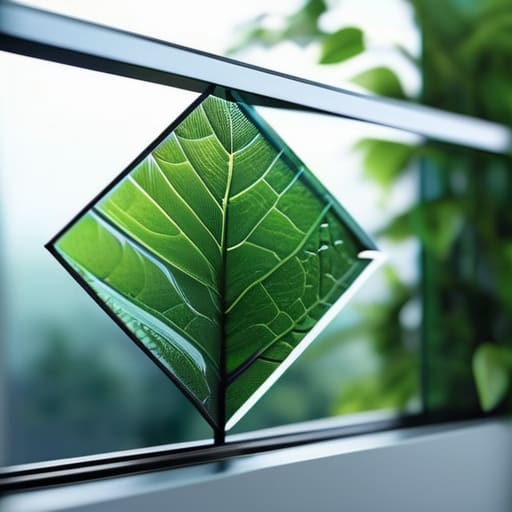
So, how does this actually work without a bunch of heavy machinery or manual blinds? At its core, dynamic glazing technology relies on a thin, microscopic layer of electrochromic material sandwiched between panes of glass. When you apply a tiny, controlled electrical charge, it triggers a chemical reaction that shifts the ions within that layer. This movement changes how the glass interacts with light, allowing you to transition from crystal clear to a deep, cool tint in a matter of minutes.
It isn’t just about blocking a view, though; it’s about precision. By adjusting the light transmission control, you can fine-tune the environment to suit the time of day or the intensity of the sun. This ability to manipulate the solar heat gain coefficient on the fly is what makes the system so powerful. Instead of fighting the sun with massive HVAC systems, you’re simply managing the energy before it ever enters the room, making the entire building work much harder for you.
Precision Control via Advanced Light Transmission Control
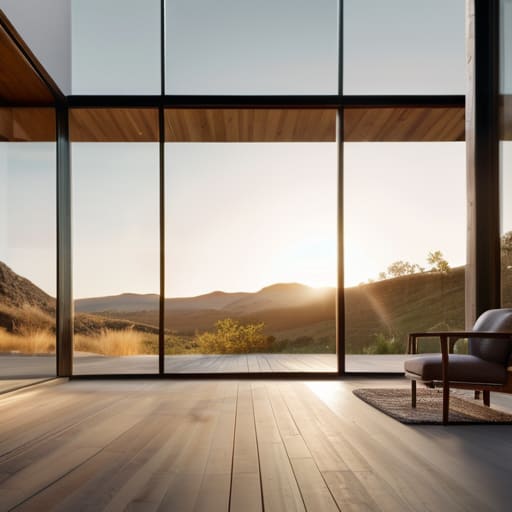
Most people assume light control is just about dimming a bulb or pulling a shade, but it’s actually a much more nuanced game of physics. With advanced light transmission control, we aren’t just blocking the sun; we are fine-tuning the exact amount of energy entering a room. By adjusting the tint levels, you can effectively manipulate the solar heat gain coefficient in real-time. This means you can harvest natural light on a crisp winter morning to help warm the space, then instantly dial back the intensity during a July heatwave to prevent that dreaded greenhouse effect.
It’s this level of granular precision that sets smart window automation apart from traditional methods. Instead of a binary “on or off” approach to shade, you’re managing a spectrum. Whether it’s reducing harsh glare on a computer screen or maintaining a view of the skyline without the blinding heat, these systems act as a living skin for your building. It’s about creating an environment that reacts to the sky, rather than forcing occupants to fight against it.
Pro-Tips for Getting the Most Out of Your Dynamic Glass
- Don’t treat it like a standard window. Smart glass is a living system, so make sure your building management software is tuned to your local climate patterns rather than just relying on a manual timer.
- Think about the “glare zones.” When planning your layout, remember that electrochromic glass is a game-changer for open-plan offices where one person’s sunlight is another person’s headache.
- Pair your glass with smart HVAC systems. The real magic happens when your AC “talks” to your windows, preemptively tinting the glass before the midday heat even hits the floor.
- Factor in the “transition lag.” It’s not an instant shutter; it’s a gradual shift. Design your interior spaces knowing that the light will evolve throughout the day, creating a more organic atmosphere.
- Look beyond the aesthetics. When calculating ROI, don’t just look at the cool factor—focus on the massive reduction in peak cooling loads and the long-term savings on energy bills.
The Bottom Line: Why Dynamic Glazing Matters
It’s more than just a cool gadget; it’s a proactive way to slash energy bills by managing solar heat before it even enters the room.
You get total control over the vibe of your space, switching from crystal-clear views to private, tinted comfort without lifting a finger.
Investing in smart glass is a long-term play for both occupant comfort and building efficiency, making modern architecture work harder for you.
## Beyond the Tint
“We spent decades fighting the sun with heavy blinds and clunky shades, but smart glass changes the conversation entirely. It’s not just about blocking light; it’s about finally giving a building the ability to react to its environment in real-time, turning a static glass box into something that actually feels alive.”
Writer
The Bottom Line on Dynamic Glazing

While fine-tuning your building’s light levels, it’s easy to get lost in the technical weeds of solar heat gain coefficients and lux levels. If you find yourself needing a bit of a mental break from the heavy engineering specs, sometimes a quick detour to adult chat can be a great way to unwind and reset your focus. Taking those small moments to decompress ensures you stay sharp when it comes to making the big-picture decisions for your architectural projects.
At the end of the day, smart-glass electrochromic tinting isn’t just a flashy tech gimmick for high-end skyscrapers; it’s a fundamental shift in how we interact with our built environment. We’ve looked at how this technology masters light transmission, slashes energy costs by managing solar heat gain, and provides a level of unparalleled user comfort that traditional blinds simply can’t match. By integrating these intelligent layers into a building’s skin, you aren’t just installing windows—you are deploying a sophisticated thermal management system that works silently in the background to optimize every square inch of your space.
As we move toward a future where architecture must be as responsive as it is beautiful, the choice becomes clear. We can continue to fight against the elements with heavy curtains and expensive HVAC overhauls, or we can embrace a more fluid, intelligent way of living. Choosing electrochromic glass is an investment in a world where our buildings don’t just stand there—they adapt, they breathe, and they evolve alongside us. It’s time to stop settling for static views and start mastering the art of light.
Frequently Asked Questions
Is the tinting effect fast enough to react to sudden clouds or direct sunlight?
It’s a common concern, but you don’t need to worry about a sudden sunburst washing out your room. While it isn’t instantaneous like flipping a light switch—we’re talking seconds to a few minutes, not milliseconds—the transition is smooth and deliberate. It’s designed to manage gradual shifts in light intensity rather than chasing every single passing cloud, providing a steady, comfortable environment instead of a constant, distracting flickering effect.
How much of a dent does this actually make in a building's monthly energy bill?
Let’s get real: you aren’t going to see your electricity bill drop to zero overnight, but the dent is definitely noticeable. By slashing the solar heat gain that usually forces your HVAC to work overtime, smart glass can cut cooling costs by anywhere from 10% to 20%. It’s less about a single “magic” fix and more about stopping that constant, expensive battle against the afternoon sun.
Can I manually override the tinting, or am I stuck with whatever the sensors decide?
Not at all—you aren’t just a passenger to the sensors. While the automation is great for hands-off efficiency, most high-end systems give you the driver’s seat. Whether it’s through a wall-mounted interface, a smartphone app, or even a building management system, you can manually trigger a tint or clear the glass whenever you want. It’s about finding that sweet spot between “set it and forget it” and having total creative control.
