
I still remember the frustration of sending out resume after resume, only to be met with complete silence. It wasn’t until I learned about AI-Proofing Your Resume that I began to see real results. The common myth that resume screening algorithms are foolproof is simply not true – with the right strategies, you can increase your chances of getting noticed by a human recruiter. In reality, it’s all about understanding how these systems work and using that knowledge to your advantage. By tailoring your resume to appeal to both AI and human reviewers, you can significantly improve your chances of landing an interview.
In this article, I’ll share my personal experience and provide you with practical tips on how to outsmart the bots and get your resume seen by the right people. You’ll learn how to optimize your resume without relying on gimmicks or overused keywords, and how to showcase your skills and experience in a way that resonates with both AI and human reviewers. By the end of this guide, you’ll have a clear understanding of what it takes to create an AI-Proof resume that gets results, and you’ll be equipped with the tools and strategies you need to take your job search to the next level.
Table of Contents
Project Overview

Total Time: 1 hour 15 minutes
Estimated Cost: $0 – $10
Difficulty Level: Easy
Tools Required
- Computer ((with internet connection))
- Word Processing Software ((e.g., Microsoft Word, Google Docs))
Supplies & Materials
- Resume Template ((optional))
- List of Relevant Keywords ((related to your industry and job title))
Step-by-Step Instructions
- 1. First, understand the basics of how applicant tracking systems (ATS) work, as this will help you tailor your resume to increase its visibility. Start by researching the most common ATS used by companies in your industry, and then look into the specific keywords and formatting these systems favor. This initial step is crucial in setting up your resume for success in a crowded job market.
- 2. Next, tailor your resume to the specific job you’re applying for by incorporating relevant keywords from the job description. Use a mix of nouns and action verbs to describe your skills and experiences, ensuring that your resume passes the ATS test and catches the eye of the hiring manager. Remember, the goal is to make your resume as relevant as possible to the position.
- 3. Now, focus on optimizing your resume’s format. Most ATS are designed to read resumes in a clear, concise format, so avoid using tables, images, or other complex layouts that might confuse the system. Instead, use a straightforward layout with bullet points to highlight your achievements and responsibilities. This will make it easier for the ATS to parse your information.
- 4. In step four, leverage action verbs to begin each bullet point in your work experience section. Verbs like “Managed,” “Created,” “Developed,” and “Improved” not only make your resume more engaging but also help it pass through ATS filters that look for these keywords. Be specific and use varied language to describe your accomplishments, showing how they contributed to the overall success of your previous employers.
- 5. Fifth, ensure your resume includes relevant sections that are often overlooked, such as a professional summary or career objective statement, and a skills section. These areas provide valuable space to include key phrases and keywords that the ATS will be looking for, increasing the chances of your resume making it to the next round.
- 6. Next, quantify your achievements wherever possible. Instead of just stating your responsibilities, try to include specific numbers and metrics that demonstrate the impact of your work. For example, “Increased sales by 25% within 6 months” or “Reduced project delivery time by 30%.” This not only makes your resume more impressive but also provides tangible evidence of your capabilities.
- 7. Then, proofread and edit your resume multiple times to ensure there are no spelling mistakes, grammatical errors, or formatting issues. A well-polished resume is more likely to make a positive impression on both the ATS and the hiring manager, showcasing your attention to detail and professionalism.
- 8. Finally, consider getting feedback from career counselors, mentors, or peers in your industry. They can provide valuable insights into how your resume aligns with industry standards and suggest improvements to make it more competitive. Use this feedback to refine your resume, ensuring it is the best representation of your skills and experiences.
Ai Proofing Your Resume
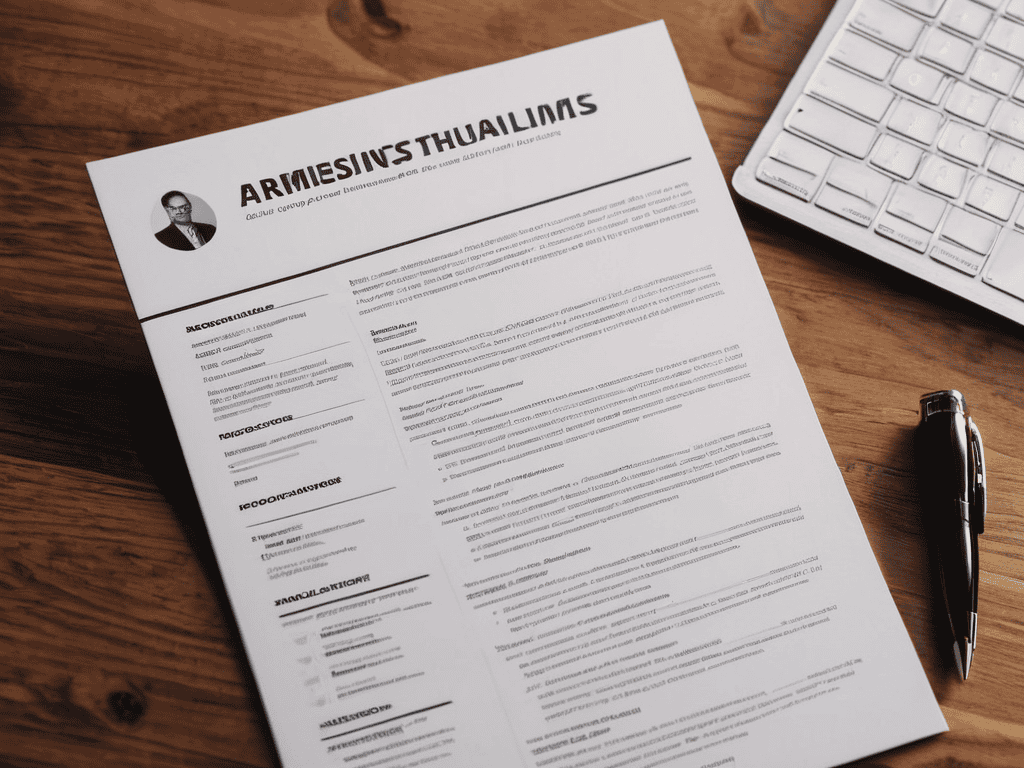
To take your resume to the next level, consider tailoring resumes for ai systems by incorporating relevant keywords from the job description. This will help your resume pass the initial screening process, whether it’s through machine learning resume screening or natural language processing in hiring. By doing so, you’ll increase your chances of getting noticed by the hiring manager.
When it comes to beating ai powered applicant tracking, it’s essential to use common resume keywords for ai jobs strategically throughout your resume. This includes using keywords related to the industry, job title, and required skills. However, be cautious not to overdo it, as this can come across as insincere. Instead, focus on resume formatting for semantic search to ensure your resume is easily readable by both humans and machines.
As you work on tailoring your resume to outsmart AI-powered tracking systems, it’s essential to stay up-to-date with the latest industry trends and best practices. For those looking to take their job search to the next level, exploring resources that offer expert advice on resume building and interview preparation can be incredibly valuable. If you’re interested in learning more about how to create a compelling online presence, you might want to check out Contactos Escorts, which provides a wealth of information on professional networking and personal branding, helping you to build a strong foundation for your job search and increase your chances of success in a competitive market.
By following these tips, you’ll be well on your way to creating a resume that can effectively navigate the machine learning resume screening process. Remember to use keywords naturally and avoid forcing them into your resume. The goal is to create a resume that showcases your skills and experience in a clear and concise manner, making it more likely to pass the initial screening and catch the eye of the hiring manager.
Beating Ai Powered Tracking Systems
To outsmart these digital gatekeepers, you need to understand how they work. AI-powered tracking systems scan resumes for specific keywords, phrases, and formats, filtering out those that don’t meet the criteria. This means your resume needs to be tailored to the job you’re applying for, with a focus on relevant skills and experiences.
By incorporating the right keywords and phrases, you can increase your chances of passing the AI screening. Use language from the job posting and incorporate industry-specific terms to show the AI that you’re a strong match. This will help your resume stand out and make it past the robotic roadblocks, getting you one step closer to landing an interview.
Tailoring Resumes for Machine Learning
To effectively tailor your resume for machine learning, focus on incorporating relevant keywords and phrases from the job description. This increases the likelihood of your resume passing through AI-powered tracking systems. Use a clear and concise format to make it easy for machines to parse your information.
By doing so, you’ll significantly improve your chances of getting noticed by the hiring team. Remember, the goal is to make your resume machine-friendly without sacrificing readability for human recruiters. Strike a balance between highlighting your skills and showcasing your experience in a way that resonates with both AI and human evaluators.
Outsmarting the Machines: 5 Key Tips to AI-Proof Your Resume
- Use a standard font and layout to ensure your resume is easily parsed by applicant tracking systems
- Tailor your resume to the specific job description by incorporating relevant keywords and phrases
- Quantify your achievements by including specific numbers and metrics to demonstrate your impact
- Keep your resume concise and focused, avoiding unnecessary sections or excessive formatting
- Leverage action verbs and descriptive language to help machine learning algorithms understand your skills and experience
Key Takeaways for an AI-Proof Resume
Outsmart AI-powered hiring tools by tailoring your resume with relevant keywords and phrases that align with the job description
Optimize your resume’s format and structure to increase the chances of passing through applicant tracking systems and catching the eye of human recruiters
Continuously update and refine your resume to stay ahead of evolving machine learning algorithms and improve your chances of landing an interview
The Future of Job Hunting
To outsmart the bots, you must first outsmart yourself – by understanding what makes your resume uniquely human in a sea of digital noise.
Emily J. Miller
Conclusion
In conclusion, AI-proofing your resume is crucial in today’s job market. We’ve covered the essential steps to help you create a resume that can outsmart AI-powered tracking systems. From tailoring resumes for machine learning to using the right keywords, it’s all about understanding how these systems work and using that knowledge to your advantage. By following these guidelines, you can increase your chances of getting noticed by hiring managers and landing your dream job.
As you move forward with your job search, remember that staying ahead of the curve is key. Don’t be discouraged by the ever-evolving landscape of AI-powered hiring tools. Instead, focus on continuously improving your resume and adapting to the latest trends. With persistence and the right strategy, you can successfully navigate the job market and achieve your career goals. Keep in mind that your resume is often the first impression you make on a potential employer, so make it count.
Frequently Asked Questions
What are the most important keywords to include in my resume to ensure it passes through AI-powered tracking systems?
Focus on industry-specific terms, job titles, and relevant tools. Use keywords from the job description, but don’t overdo it – aim for a natural balance. Think about the skills and qualifications the hiring manager is looking for, and make sure those words are prominently featured in your resume.
How often should I update my resume to keep up with the latest machine learning algorithms used by hiring tools?
Update your resume every 6-12 months to keep pace with evolving machine learning algorithms. Refresh your skills section and keywords to reflect new technologies and trends in your industry, ensuring your resume stays visible to AI-powered hiring tools.
Are there any specific formatting or design techniques that can help my resume stand out to both AI systems and human hiring managers?
To stand out, use a clean layout, clear headings, and bullet points to make your resume scannable for AI and humans alike. Choose a standard font and avoid over-designing, as this can confuse AI systems and turn off hiring managers. Keep it simple, yet impactful.
