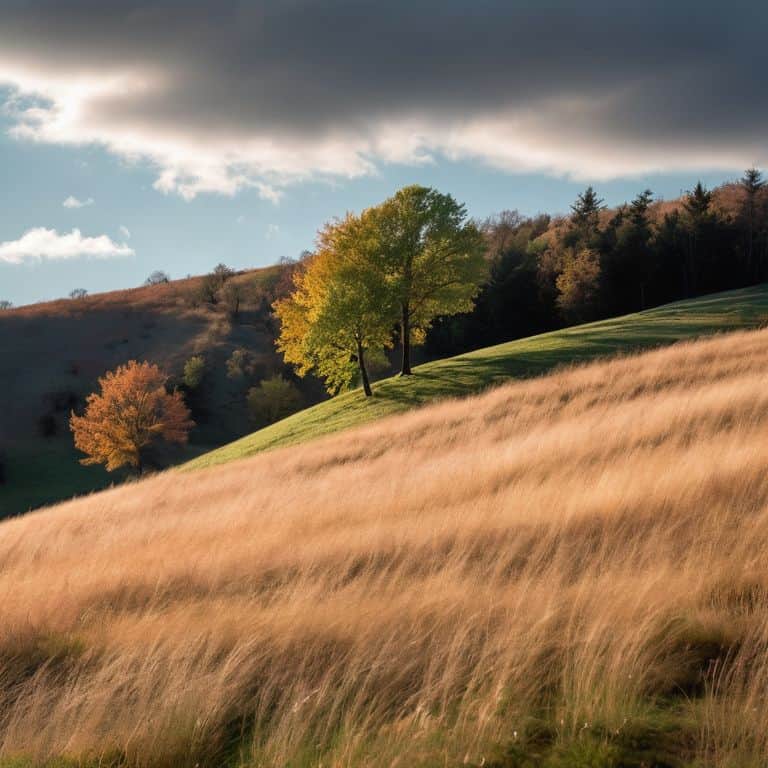
As I stood on a hill, watching the trees sway gently, I wondered – what really causes the wind to whisper through our lives, carrying the scent of far-off lands and memories? The question of what causes wind has always fascinated me, and as a travel writer, I’ve had the chance to experience its power in various forms – from the soothing breeze on a summer day to the fierce gusts that can change the course of a journey. Growing up, I was often told that wind is just the movement of air, but as I delved deeper, I realized there’s so much more to it.
In this article, I promise to take you on a journey to unravel the mysteries of the wind, sharing stories and insights gathered from my travels and studies. I’ll provide you with practical tips and honest advice, cutting through the complexity and hype surrounding what causes wind. My goal is to empower you with a deeper understanding of this natural phenomenon, so you can better navigate your own adventures and appreciate the beauty of the world around you. Whether you’re a fellow nature enthusiast or just curious about the world, I invite you to join me on this exploration of the wind, and discover the secrets it holds.
Table of Contents
Unraveling What Causes Wind
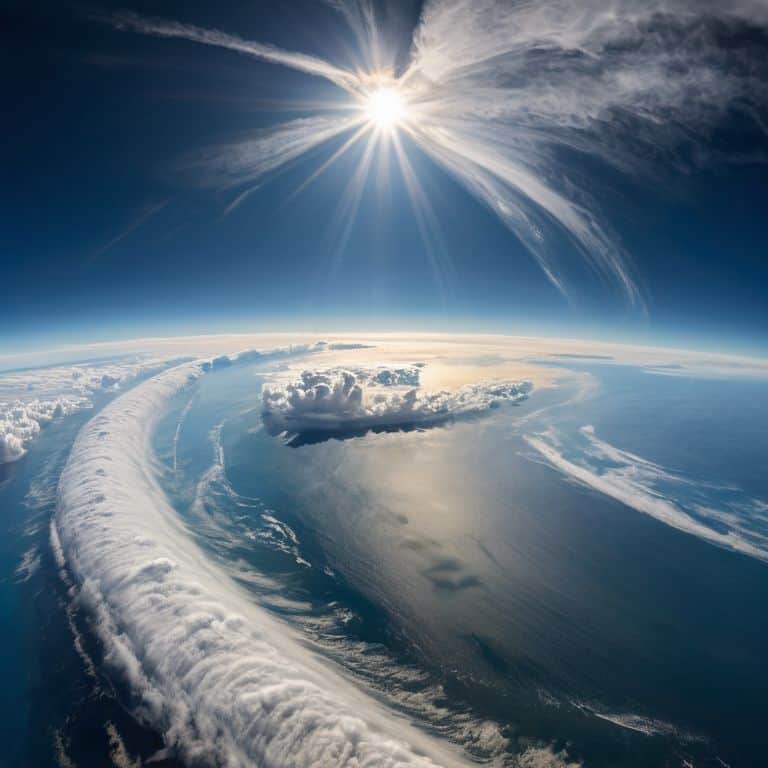
As I delved deeper into the mysteries of the wind, I discovered that global wind patterns play a significant role in shaping our climate. The way winds circulate around the globe is influenced by the rotation of the Earth and the uneven heating of the sun’s rays. This, in turn, affects the weather forecasting techniques used by meteorologists to predict storms and other severe weather conditions. By understanding these patterns, we can better appreciate the complex dance between the atmosphere and the oceans.
The effects of wind on climate are multifaceted and far-reaching. Wind helps to distribute heat and moisture around the globe, which in turn affects the formation of clouds and precipitation. This process is closely tied to the atmospheric circulation systems that drive the movement of air in the atmosphere. As a nature photographer, I’ve had the opportunity to capture the beauty of wind-swept landscapes, from the rolling hills of Tuscany to the rugged coastlines of New Zealand.
Through my travels, I’ve come to realize that the role of oceans in wind creation cannot be overstated. The oceans cover over 70% of the Earth’s surface and play a crucial role in regulating the climate. As the sun heats the ocean waters, it evaporates moisture into the air, which eventually cools and condenses, forming clouds and driving the wind formation processes. This intricate relationship between the oceans and the atmosphere is a testament to the awe-inspiring complexity of our planet’s ecosystem.
Deciphering Global Wind Patterns
As I traverse the globe, camera in hand, I’ve come to realize that global wind patterns play a significant role in shaping our planet’s diverse landscapes. From the misty mountains of Asia to the sun-kissed savannas of Africa, wind has left its indelible mark.
In my journeys, I’ve found that trade winds carry the stories of ancient cultures, influencing the climate and geography of the regions they touch.
Exploring Atmospheric Circulation Secrets
As I delved deeper into the mysteries of wind, I found myself captivated by the intricate dance of atmospheric circulation. It’s a complex interplay of temperature, pressure, and moisture that gives rise to the global wind patterns we see today. From the trade winds that carry the scent of exotic spices to the westerlies that whisper secrets of the open ocean, each plays a vital role in shaping our planet’s climate.
The movement of air masses is a crucial aspect of atmospheric circulation, as it influences weather patterns and shapes the very landscape itself. As a nature photographer, I’ve had the privilege of capturing the breathtaking beauty of these air masses in motion, from the majestic storm systems of the Great Plains to the gentle morning mist that rises over the Himalayas.
The Dance of Air and Ocean
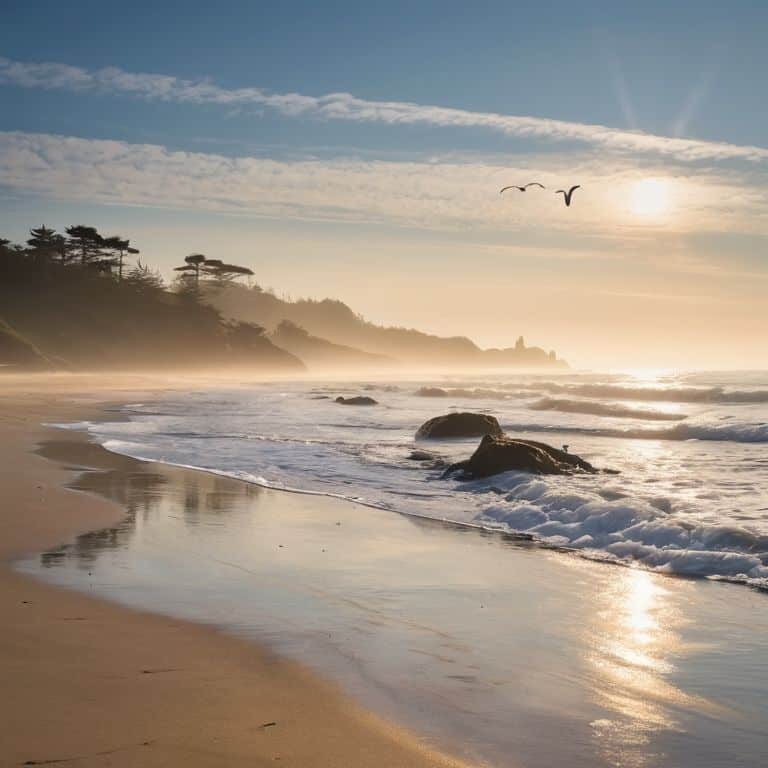
As I stood on the coast, camera in hand, I couldn’t help but notice the intricate ballet between the air and the ocean. The way the waves gently lapped at the shore, only to be swept back by the incoming tide, was a testament to the delicate balance of our planet’s ecosystem. This dance is not just a visual spectacle, but also a crucial component of global wind patterns, as the warmth of the ocean heats the air above it, causing it to rise and create a cycle of circulation.
The effects of wind on climate are far-reaching, and the ocean plays a significant role in this process. As the wind whispers across the surface of the water, it transfers heat and energy, influencing the atmospheric circulation systems that shape our weather. This, in turn, has a profound impact on the weather forecasting techniques used by meteorologists to predict storms and other severe weather events.
In the stillness of the morning, I watched as the mist rose from the ocean’s surface, carrying with it the secrets of the wind formation processes. It was as if the air and the ocean were engaged in a gentle conversation, their whispers weaving together to create the role of oceans in wind creation. As a nature photographer, I felt grateful to have captured this fleeting moment, and I couldn’t help but wonder about the countless other secrets waiting to be uncovered in this beautiful, intricate world.
Mastering Weather Forecasting Techniques
As I delve into the world of meteorology, I find myself fascinated by the art of predicting the unpredictable. Understanding atmospheric conditions is crucial in mastering weather forecasting techniques. Through my travels and conversations with local communities, I’ve learned that even the most seasoned forecasters rely on a combination of traditional knowledge and modern technology to make accurate predictions.
To refine their craft, forecasters must be adept at reading weather patterns, taking into account factors such as temperature, humidity, and air pressure. By analyzing these elements, they can provide critical insights that help communities prepare for severe weather events, ultimately saving lives and reducing damage to infrastructure.
Role of Oceans in Shaping Climate
As I’ve navigated the globe, capturing the essence of our planet through my lens, I’ve come to realize the intricate relationship between oceans and climate. The oceans play a pivotal role in shaping our climate, with their vast waters absorbing and releasing heat in a delicate dance.
This thermohaline circulation helps regulate global temperatures, influencing weather patterns and the formation of high and low-pressure systems.
Navigating the Winds of Change: 5 Essential Tips
- Understanding Global Wind Patterns: Recognize that wind is not just a local phenomenon, but part of a larger global circulation pattern, influenced by the rotation of the Earth and the uneven heating of the sun
- Deciphering Atmospheric Pressure: Learn to read the signs of changing atmospheric pressure, which drives wind from high to low-pressure areas, shaping our weather and climate
- Exploring the Role of Topography: Discover how mountains, valleys, and coastlines deflect and channel winds, creating unique microclimates and influencing local weather conditions
- Mastering the Art of Observation: Develop your skills in observing natural signs such as cloud formations, wave patterns, and vegetation movement to predict wind directions and intensities
- Embracing the Interconnectedness of Air and Ocean: Understand that winds are intimately connected with ocean currents and temperatures, and that changes in one can significantly impact the other, affecting global climate patterns and weather events
Embracing the Breeze: 3 Key Takeaways
As I reflect on our journey to understand what causes wind, I’m reminded that global wind patterns are shaped by the uneven heating of the Earth’s surface by the sun, leading to the movement of air from high to low-pressure areas.
The delicate dance between the air and the ocean plays a crucial role in shaping our climate, with oceans absorbing and releasing heat, influencing the formation of high and low-pressure systems that drive wind patterns.
By mastering weather forecasting techniques and understanding the intricacies of atmospheric circulation, we can better predict and prepare for the winds that bring us both gentle rains and fierce storms, each carrying its own story of the world’s incredible diversity.
Unveiling the Mystery
Wind is not just the gentle caress of nature, but a testament to the Earth’s symphony, where the dance of air, ocean, and land converges, reminding us that every breeze carries the whispers of a world in constant motion.
Lila Wanderstone
Embracing the Whispering Winds
As I reflect on our journey to uncover what causes wind, I’m reminded of the intricate dance between the atmosphere, oceans, and land. We’ve unraveled the secrets of global wind patterns, delved into the mysteries of atmospheric circulation, and explored the pivotal role of oceans in shaping our climate. Through this exploration, we’ve not only gained a deeper understanding of the forces that drive the winds but also uncovered the beauty of interconnectedness that binds our planet together.
And so, as we stand at the edge of this newfound knowledge, I invite you to step outside, feel the gentle caress of the breeze, and remember that the wind is not just a natural phenomenon, but a symbol of freedom and a reminder of the infinite possibilities that await us on the horizon. Let us continue to chase the zephyr, to follow its whispers, and to find inspiration in the ever-changing landscapes it touches, for in its gentle touch, we find the essence of life itself.
Frequently Asked Questions
How do global wind patterns impact local weather conditions?
As I’ve traversed the globe, capturing nature’s beauty through my lens, I’ve noticed how global wind patterns dramatically impact local weather. Trade winds, for instance, bring warmth to coastal towns, while jet streams can usher in sudden storms, reminding us of the intricate dance between air and ocean that shapes our daily forecasts.
What role do mountain ranges and other geographical features play in shaping wind directions and speeds?
As I’ve hiked through various mountain ranges, I’ve noticed how these natural barriers can dramatically alter wind patterns, creating unique microclimates and channels that funnel air in distinct directions, influencing both speed and trajectory.
Can the movement of ocean currents and tides influence the formation of winds in coastal areas?
As I’ve captured through my lens, coastal winds are indeed influenced by ocean currents and tides. The warmth and movement of these waters can stir the air above, creating gentle breezes or powerful gusts, shaping the local climate and weather patterns in fascinating ways.