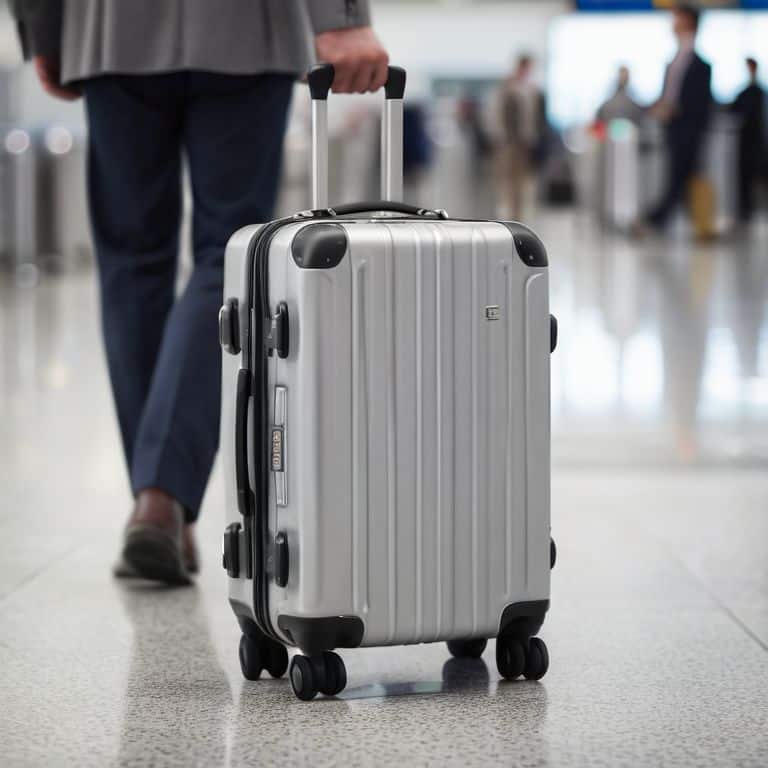
As I sat in the airport, watching a fellow traveler struggle to cram their oversized suitcase into the overhead compartment, I couldn’t help but think that the conventional wisdom on a guide to carry-on luggage is due for a rethink. We’ve all been there – frazzled, frustrated, and wondering why we didn’t just check the darn bag already. But what if I told you that the secret to stress-free travel lies not in the luggage itself, but in the art of packing it? It’s a lesson I’ve learned through years of trial and error, and one that I’m eager to share with you.
In this article, I’ll cut through the clutter and provide you with practical, no-nonsense advice on how to choose and pack the perfect carry-on. From the best materials to look for in a suitcase to the clever tricks for maximizing space, I’ll share my hard-won expertise to help you become a master packer. Whether you’re a seasoned traveler or just starting to venture out into the world, my goal is to empower you with the knowledge to make your travels smoother, smarter, and altogether more enjoyable. So, let’s get started on this journey to carry-on nirvana, shall we?
Table of Contents
Guide Overview: What You'll Need
Total Time: 1 hour 15 minutes
Estimated Cost: $50 – $100
Difficulty Level: Easy
Tools Required
- Tape Measure (for measuring luggage size)
- Scale (for weighing luggage)
- Packing Cubes (optional)
Supplies & Materials
- Carry-on Luggage (with dimensions 22 inches x 14 inches x 9 inches)
- Packing List (customizable)
- Travel Accessories (e.g., toiletry bag, laptop sleeve)
Step-by-Step Instructions
- 1. First, let’s start with the basics of measurement, as understanding the size restrictions of your carry-on luggage is crucial. Most airlines have specific dimensions for carry-on bags, typically around 22 inches tall, 14 inches wide, and 9 inches deep. It’s essential to check with your airline for their exact requirements to avoid any issues during check-in.
- 2. Next, consider the type of material your carry-on is made of. Hardshell cases are great for protection but can be less flexible in terms of packing. Softshell cases, on the other hand, offer more give but might not provide the same level of protection for fragile items. Choose a material that suits your travel style and the items you plan to pack.
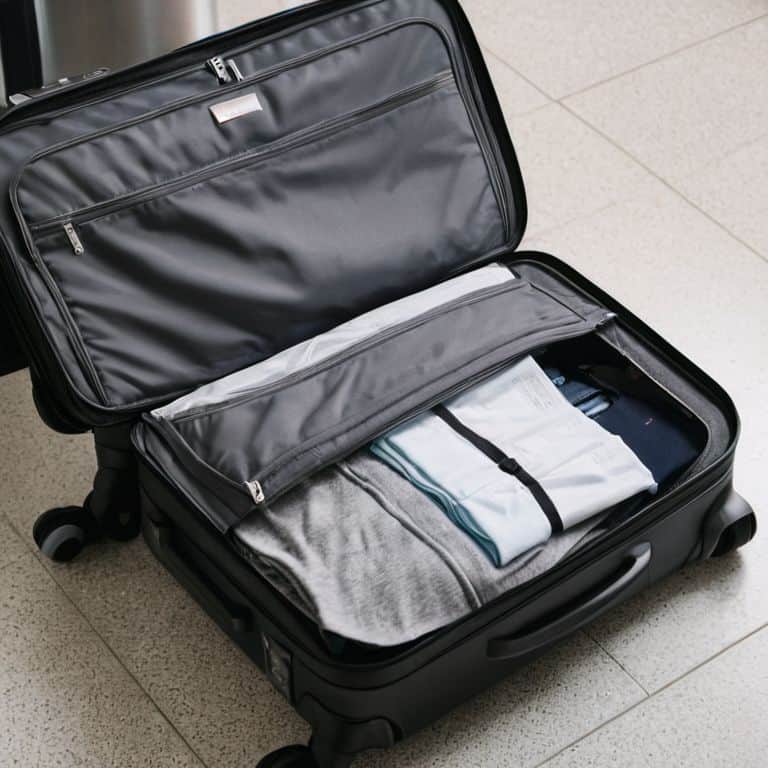
- 3. Now, think about the packing strategy. This is where the art of storytelling comes into play – every item you pack should serve a purpose, and the way you pack can greatly affect your travel experience. Start with essentials like undergarments and socks, then move on to larger items like clothing and shoes. Consider rolling your clothes to save space and reduce wrinkles.
- 4. When it comes to organizing your belongings, it’s helpful to use packing cubes or small pouches. These can help you find what you need quickly and keep your luggage tidy. Assign a cube or pouch to each type of item – for example, one for electronics, one for toiletries, and so on.
- 5. The weight distribution of your carry-on is also important. You want to ensure that your bag is balanced and easy to maneuver, especially if you have to navigate through crowded airports or up and down stairs. Distribute the weight evenly by placing heavier items like shoes at the bottom and lighter items towards the top.
- 6. Don’t forget to leave some extra space in your carry-on for items you might purchase during your trip. You don’t want to have to worry about not having enough room for souvenirs or other essentials you might need on your way back. A good rule of thumb is to leave about 10% of your luggage space empty.
- 7. Finally, check and double-check your luggage before you leave for the airport. Ensure you have all the necessary documents, adapters, and chargers. It’s also a good idea to make a digital copy of your important documents and leave a copy with a trusted friend or family member in case of an emergency. This step might seem obvious, but it’s often the most overlooked and can make a significant difference in the smoothness of your travel experience.
A Guide to Carry on Luggage
As I reflect on my own travels, I’ve come to realize that carry on luggage size restrictions can be a major hurdle for even the most seasoned traveler. It’s essential to familiarize yourself with the specific dimensions allowed by your airline to avoid any last-minute hassles. I’ve learned to appreciate the importance of packing tips for carry on bags, which can make all the difference in ensuring a smooth journey.
When it comes to selecting the right luggage, I’m a firm believer in investing in best luggage materials for travel. A sturdy, well-crafted bag can withstand the rigors of frequent travel, and its luggage wheels and maneuverability can be a game-changer in navigating crowded airports. I’ve had my fair share of struggles with cumbersome luggage, but a good set of wheels can make all the difference.
In my experience, the key to efficient travel lies in carry on luggage organization ideas. By utilizing clever compartments and pockets, you can maximize your luggage’s capacity while minimizing clutter. It’s also crucial to be mindful of travel luggage weight limits, as exceeding these can result in additional fees or even the need to check your bag. By being thoughtful and intentional in your packing, you can ensure a stress-free travel experience.
Mastering Luggage Wheels and Maneuverability
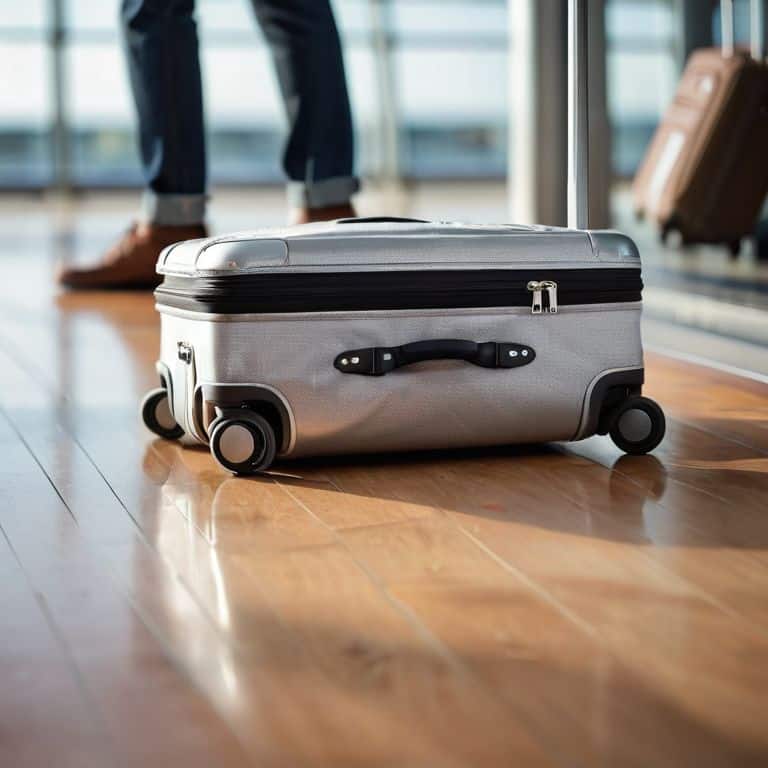
As I recall my grandmother’s tales of traveling through Europe, I’m reminded that a good carry-on is akin to a trusty companion – it should move with you, not against you. Mastering luggage wheels and maneuverability is an art that requires attention to detail and a dash of common sense. I’ve found that a well-designed wheel system can make all the difference in navigating crowded airports and tight spaces.
When evaluating a carry-on’s maneuverability, I look for wheels that spin smoothly and a sturdy handle that can withstand the rigors of repeated use. It’s a subtle yet crucial aspect of luggage design, one that can elevate the travel experience from frustrating to effortless. With the right wheels and a bit of practice, you’ll be gliding through terminals like a seasoned traveler, ready to take on whatever adventures await.
Unpacking Carry on Luggage Size Restrictions
As I delve into the world of carry-on luggage, I find myself pondering the intricacies of size restrictions. It’s a bit like editing a manuscript – every inch counts, and the wrong cut can disrupt the entire narrative. Most airlines adhere to a standard size limit, typically 22 inches tall, 14 inches wide, and 9 inches deep. However, it’s essential to check with your carrier, as some may have slightly different dimensions in mind.
I recall a particularly frustrating experience where my trusty leather suitcase was deemed too large for the overhead compartment. The embarrassment of having to gate-check my bag was a hard lesson in the importance of measuring twice and packing once. Now, I make sure to choose luggage that fits neatly within the allotted space, ensuring a smooth journey from takeoff to touchdown.
The Art of Carry-On: 5 Tips to Tame the Beast
- Packing with intention: every item should serve a purpose, just like every word in a well-crafted story
- Choosing the right material: durable, yet lightweight, a balance that echoes the delicate dance between plot and character development
- Understanding the anatomy of a carry-on: from compartments to pockets, a well-designed bag is like a well-structured narrative
- Mastering the art of layering: clothes, toiletries, and electronics, each item nestled within the others like the layers of meaning in a rich literary text
- Embracing the beauty of restraint: less is often more, both in packing and in prose, where the true power lies in the unspoken and the unwritten
Key Takeaways for the Discerning Traveler
As I reflect on the art of selecting the perfect carry-on, I’m reminded that size restrictions are not just about complying with airline regulations, but also about editing one’s belongings to only the essentials, much like a writer edits their manuscript to reveal the true narrative
Mastering the balance between luggage wheels and maneuverability is akin to finding the right pace in a story – too much friction can disrupt the flow, while a smooth glide can make the journey enjoyable, and it’s this harmony that separates a good carry-on from a great one
Ultimately, the quest for the ideal carry-on companion is a personal one, influenced by the rhythms of our travels and the tales we tell along the way, requiring a thoughtful blend of functionality, style, and a deep understanding of what makes our journey unique, much like the process of crafting a compelling story
The Art of Packing
A well-packed carry-on is not just a testament to one’s organizational skills, but a reflection of their storytelling ability – every item a character, every compartment a plot twist, and every successful journey a narrative well-told.
Oliver Quill
The Perfect Carry-On Companion: A Conclusion
As I reflect on our journey through the world of carry-on luggage, it’s clear that mastering the art of packing is just the beginning. We’ve unpacked the intricacies of size restrictions, delved into the importance of maneuverability, and explored the nuances of luggage design. By considering these factors and finding the perfect balance for our needs, we can transform our travel experiences and make the most of our adventures. Whether you’re a seasoned traveler or just starting to plan your next trip, remembering that the right carry-on can be a trusted companion is key.
As we close this chapter on carry-on luggage, I’m reminded that the true essence of travel lies not in the destination, but in the journey itself. So, the next time you’re preparing for a trip, take a moment to appreciate the small joys of packing, the thrill of discovering new places, and the stories that await you. With the right carry-on by your side, you’ll be well on your way to creating memories that will last a lifetime, and that, to me, is the greatest journey of all.
Frequently Asked Questions
What are the most common size restrictions for carry-on luggage across different airlines?
As I’ve delved into the world of carry-on luggage, I’ve found that most airlines adhere to similar size restrictions, typically around 22 inches tall, 14 inches wide, and 9 inches deep. However, it’s essential to check with your specific airline, as some may have slightly varying dimensions, such as Southwest’s 24-inch height limit or Spirit’s 18x14x8 inches constraint.
How can I ensure my carry-on luggage is durable and long-lasting?
To ensure my carry-on luggage withstands the rigors of travel, I look for sturdy materials, reinforced seams, and high-quality wheels. A well-crafted handle and impact-resistant components are also a must. I’ve found that investing in a durable piece of luggage is akin to purchasing a reliable pen – it’s an investment in the stories you’ll tell, and the journeys you’ll undertake.
Are there any specific features I should look for in a carry-on luggage to make it easier to maneuver in tight airport spaces?
When navigating tight airport spaces, I’ve found that a carry-on with multi-directional wheels and a sturdy, lightweight frame is a lifesaver. Look for luggage with 360-degree spinning wheels and a comfortable, ergonomic handle – it’s a game-changer for dodging fellow travelers and squeezing into cramped gate areas.