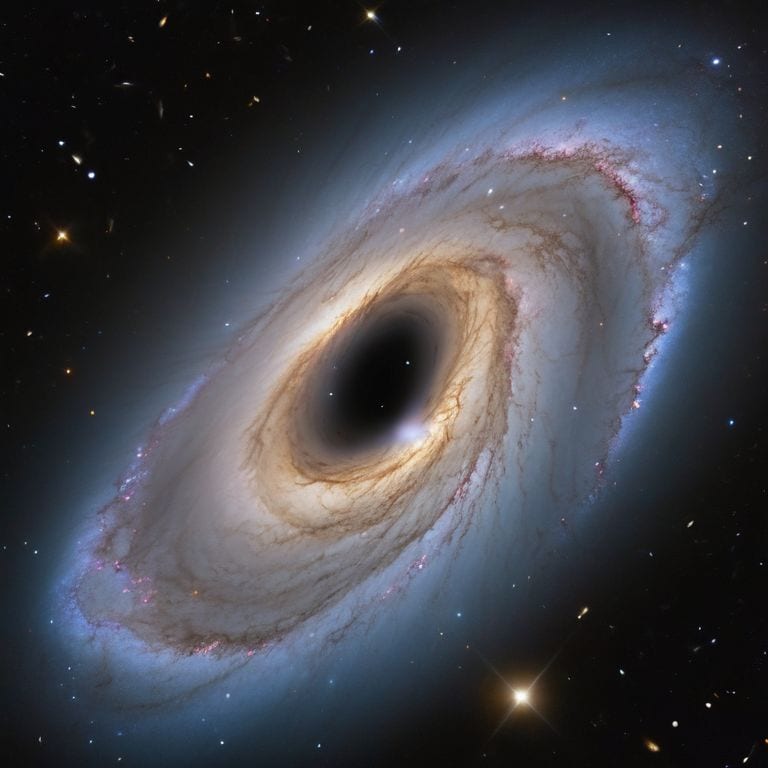
As I gaze up at the night sky, I’m reminded of the fascinating mystery that has captivated me since childhood: how are supermassive black holes formed. The question itself is deceptively simple, yet it has sparked a multitude of complex theories and explanations. I’ve often found myself frustrated with the overly complicated, jargon-filled answers that seem to obscure the truth rather than reveal it. The formation of these cosmic giants is a topic that has been shrouded in mystery, but as someone who has spent countless nights stargazing, I’m eager to demystify the process and explore the intricate dance of celestial mechanics that gives rise to these phenomena.
As we embark on this journey to understand how are supermassive black holes formed, I promise to guide you through the uncomplicated truth, free from the hype and technical jargon that often accompanies scientific discussions. My goal is to share my passion for astrophysics in a way that’s accessible and engaging, making the complex beauty of the universe tangible and relatable. Together, let’s unravel the mystery of supermassive black hole formation, and in doing so, gain a deeper appreciation for the cosmic wonders that surround us. By the end of our exploration, you’ll have a clear understanding of the processes that shape our universe, and perhaps, like me, you’ll find yourself inspired by the awe-inspiring beauty of the stars.
Table of Contents
Unveiling Cosmic Births
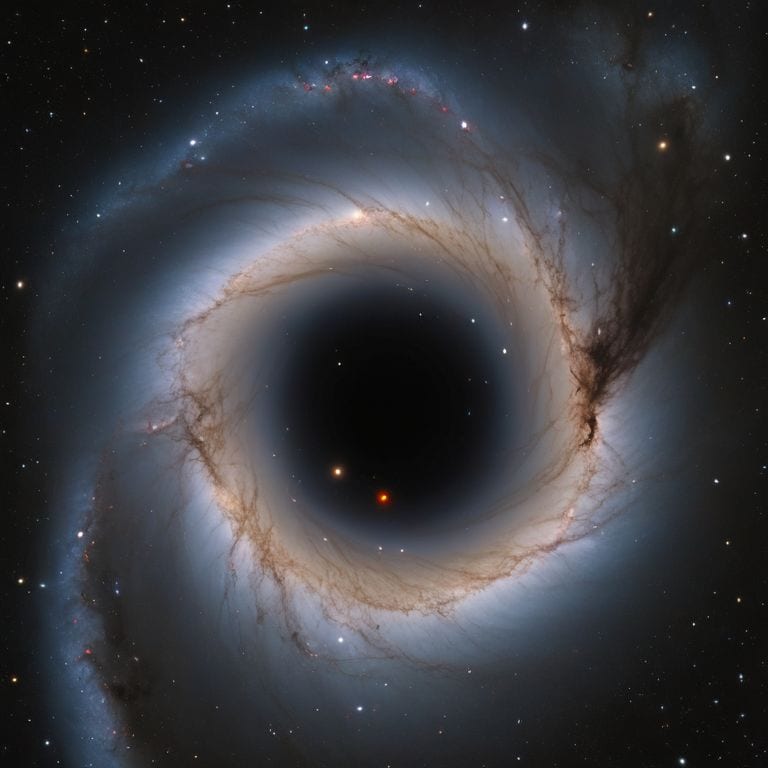
As we delve into the mysteries of supermassive black hole formation, it’s essential to consider the formation of supermassive black holes in early galaxies. This process is intricately linked with the role of dark matter, which provides the gravitational scaffolding for these cosmic giants to grow. The dance between normal matter and dark matter in the early universe sets the stage for the eventual emergence of supermassive black holes.
In the heart of galaxies, active galactic nuclei are a testament to the intense activity surrounding supermassive black holes. These regions are characterized by incredibly high energies, emitted as the black hole accretes material from its surroundings. The growth of supermassive black holes is further influenced by supermassive black hole mergers, which not only affect the black hole’s mass but also its spin and the surrounding galaxy’s structure.
Through simulations of supermassive black hole formation, scientists have been able to model the complex interplay of factors leading to the birth of these cosmic titans. By comparing these simulations with observational evidence for supermassive black hole formation, researchers can refine our understanding of how supermassive black holes come to be, shedding light on the darkest, most mysterious regions of the universe.
Dark Matters Role in Growth
As we delve into the formation of supermassive black holes, it’s essential to consider the role of dark matter in their growth. This elusive substance, which makes up approximately 85% of the universe’s mass, provides the gravitational scaffolding for normal matter to clump together, eventually forming galaxies.
The presence of dark matter allows for the efficient accretion of material onto the central black hole, enabling it to grow at an incredible rate. This process is crucial in the early stages of galaxy formation, where the merger of smaller galaxies can trigger the growth of supermassive black holes.
Simulating Early Galaxy Formations
As we delve into the realm of supermassive black hole formation, simulating early galaxy formations becomes a crucial step. By using advanced computational models, we can recreate the conditions under which the first galaxies emerged, providing invaluable insights into the seeds of these cosmic giants.
Through these simulations, we can observe the merger of gas-rich galaxies, a process that triggers the formation of supermassive black holes. This phenomenon is akin to a cosmic dance, where galaxies collide and merge, funneling material towards their centers, eventually giving rise to the behemoths that reside at the hearts of modern galaxies.
How Supermassive Black Holes Form
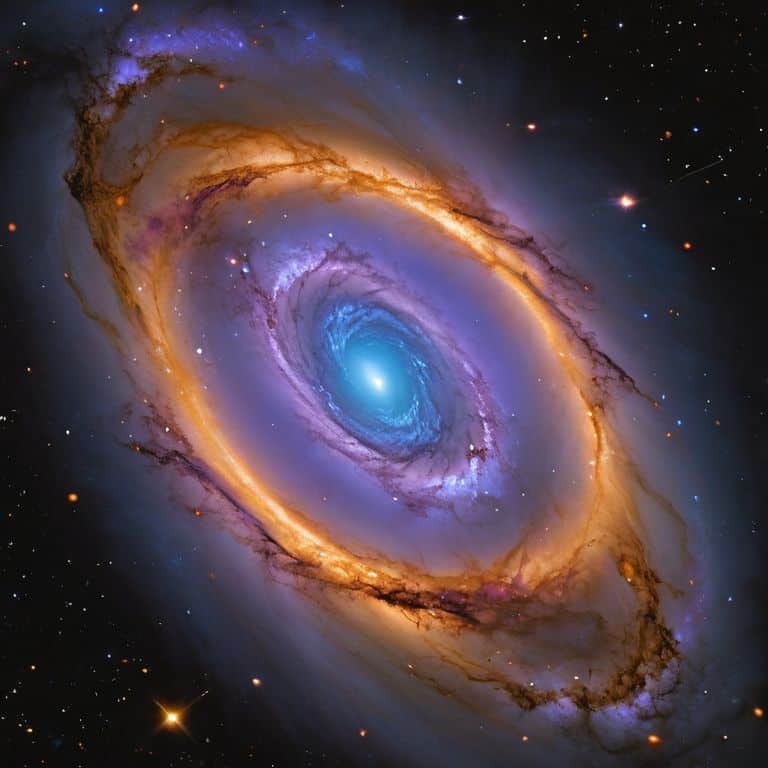
As we delve into the formation of supermassive black holes in early galaxies, it becomes clear that this process is intricately linked with the evolution of the universe itself. The seeds of these cosmic giants are sown in the dense, chaotic environments of young galaxies, where gas and dust coalesce to form massive stars. These stars, in turn, end their lives in spectacular supernovae explosions, leaving behind either a black hole or a neutron star, depending on their mass. Over time, these early black holes grow through the accumulation of material from their surroundings, setting the stage for the eventual formation of supermassive black holes.
The role of dark matter in black hole growth is a critical aspect of this process, as it provides the gravitational scaffolding upon which normal matter can accumulate. Dark matter’s presence allows for the formation of denser regions within galaxies, which can then collapse to form supermassive black holes. This interplay between normal and dark matter is a key factor in the simulations of supermassive black hole formation, which aim to recreate the complex dance of gravitational interactions and gas dynamics that occur in the early universe.
Through simulations of supermassive black hole formation, researchers have gained valuable insights into the mechanisms driving the growth of these cosmic behemoths. By modeling the interplay between gas, stars, and dark matter, scientists can better understand how supermassive black holes come to dominate the centers of galaxies, influencing the surrounding environment through their immense gravitational pull and energetic outputs.
Mergers and Active Galactic Nuclei
As galaxies collide, their central black holes merge, leading to the formation of an even more massive black hole. This process is often accompanied by a surge in star formation, creating a cosmic frenzy that can be observed from millions of light-years away. The merger of galaxies is a complex dance, with stars, gas, and dust being redistributed in a chaotic yet harmonious manner.
The aftermath of such mergers can result in the creation of active galactic nuclei, where supermassive black holes are actively accreting material, releasing enormous amounts of energy in the process. This energy output can be so intense that it surpasses the combined light of all the stars in the galaxy, making these cosmic phenomena visible across vast distances.
Observational Evidence Uncovered
As we delve into the mysteries of supermassive black hole formation, observational evidence plays a crucial role in unraveling the secrets of these cosmic giants. By studying the light emitted from distant galaxies, scientists can infer the presence of supermassive black holes and gain insights into their formation processes.
The discovery of quasars, incredibly luminous objects thought to be powered by supermassive black holes, has provided significant clues about the early universe. These ancient beacons offer a glimpse into the formation and growth of supermassive black holes, allowing researchers to piece together the history of these cosmic phenomena.
Navigating the Cosmos: 5 Key Insights into Supermassive Black Hole Formation
- Start by understanding the role of dark matter in the early universe, as it plays a crucial part in the formation and growth of the first galaxies, which eventually give rise to supermassive black holes
- Recognize the significance of galaxy mergers, as these catastrophic events can trigger the formation of supermassive black holes by funneling gas towards the central regions of the merged galaxy
- Explore the concept of active galactic nuclei (AGN), which are thought to be powered by supermassive black holes at the centers of galaxies, and how they impact the surrounding environment
- Delve into the world of computational simulations, which allow scientists to model the complex processes involved in supermassive black hole formation, from the collapse of giant gas clouds to the merger of galaxies
- Stay up-to-date with the latest observational evidence from cutting-edge telescopes and space missions, which continue to uncover the secrets of supermassive black hole formation and evolution, from the detection of gravitational waves to the imaging of black hole shadows
Cosmic Insights: 3 Key Takeaways
Supermassive black holes are born from a complex interplay of galaxy mergers, star collapses, and dark matter influences, highlighting the dynamic and ever-evolving nature of the cosmos
The role of dark matter in the growth of early galaxies and the subsequent formation of supermassive black holes underscores the mysterious and unseen forces at play in the universe
Through advancements in simulation technology and observational evidence, our understanding of supermassive black hole formation has significantly expanded, revealing a intricate dance between galaxies, stars, and the gravitational behemoths at their centers
Unraveling the Cosmic Enigma
The formation of supermassive black holes is akin to a grand symphony of celestial events, where the collapse of massive stars, the dance of galaxy mergers, and the subtle whispers of dark matter all converge to give birth to these cosmic titans, each one a reminder of the awe-inspiring complexity and beauty of our universe.
Dr. Edward Woods
Unveiling the Mysteries of Supermassive Black Holes
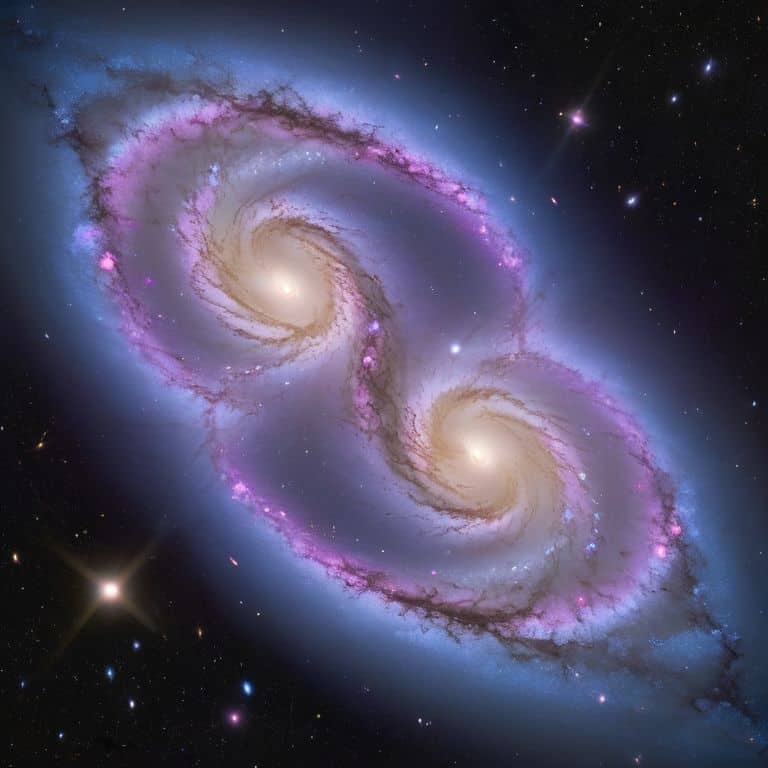
As we conclude our journey through the formation of supermassive black holes, it’s clear that their birth is a complex, multifaceted process. We’ve explored how simulations of early galaxy formations and the role of dark matter in growth contribute to the eventual formation of these cosmic giants. Additionally, we’ve delved into the significance of galaxy mergers and the activation of galactic nuclei, highlighting the importance of observational evidence in understanding these phenomena. By weaving together these threads, we gain a deeper appreciation for the intricate tapestry that is our universe.
As we gaze up at the starry night sky, we’re reminded that the mysteries of supermassive black holes are not just distant, celestial phenomena, but are intimately connected to the evolution of our own cosmos. The study of these black holes invites us to ponder the grand dance of gravity and space, inspiring a sense of wonder and awe that drives us to continue exploring, discovering, and pushing the boundaries of human understanding.
Frequently Asked Questions
What triggers the initial collapse of a massive star to form the seed of a supermassive black hole?
The spark that ignites this cosmic collapse is often a supernova explosion or the merger of two massive stars, which disturbs the delicate balance, causing the star’s core to implode, seeding the formation of a supermassive black hole.
How do the mergers of galaxies affect the growth and final mass of supermassive black holes at their centers?
Galaxy mergers are like cosmic catalysts, sparking the growth of supermassive black holes. As galaxies collide, their central black holes merge, leading to a massive increase in black hole mass, with some theories suggesting that up to 90% of a supermassive black hole’s mass can be acquired through these mergers, ultimately influencing the final mass of these cosmic giants.
Can dark matter's influence on the formation and evolution of supermassive black holes be directly observed or only inferred through gravitational effects?
While dark matter’s influence can’t be directly observed, its gravitational effects on galaxy rotations and large-scale structures offer indirect evidence of its role in supermassive black hole formation, a cosmic dance where the unseen choreographs the growth of these celestial giants.