
Everyone in the startup world loves to brag about the next green unicorn that will magically turn plastic waste into gold, but the truth about Circular Economy Venture Capital is far less glittery. I’ve sat through endless pitch meetings where founders sprinkle buzzwords like “closed‑loop” and “regenerative profit” while the underlying economics remain a mystery. The hype machine insists every fund must be a climate‑hero, yet most of those so‑called heroes are still chasing vanity metrics instead of real, scalable waste‑to‑value models. What you really need is a playbook that separates the genuine circular innovators from the buzz.
If you stick around, I’ll walk you through the exact checklist I use when I’m the lone LP at a seed round, from dissecting a startup’s material‑flow economics to interrogating the durability of its revenue‑recovery loops. Expect no‑fluff slide decks, just gritty case studies of the few firms that actually turned a landfill‑fee into a recurring profit line, and the hard‑earned lessons on why many “impact” funds fall flat. By the end, you’ll know how to spot the ventures that turn circularity into real‑world ROI—not just a feel‑good story.
Table of Contents
- Circular Economy Venture Capital Unlocking the Funding Loop
- Green Venture Capital Trends Shaping Sustainable Startup Financing
- Impact Investing in Circular Economy What Smart Lps Look for
- From Waste to Wealth Vc Strategies for Circular Startups
- Circular Business Models Funding Blueprint for Investor Success
- Venture Capital for Waste Management Startups Funding Playbook
- 5 Playbook Moves for VC's in the Circular Economy
- Quick Hits – What You Should Remember
- Funding the Circular Future
- Closing the Loop
- Frequently Asked Questions
Circular Economy Venture Capital Unlocking the Funding Loop

When a fund manager spots a startup that can turn discarded plastic into high‑grade building material, the whole deal feels less like a gamble and more like a shortcut to climate‑positive growth. That’s why impact investing in circular economy has become a headline act on many LPs’ radar: investors are no longer content with “green” as an afterthought—they want the profit curve to rise and the waste curve to fall. Recent green venture capital trends show a surge of capital flowing into companies that embed reuse, refurbish, or product‑as‑a‑service models right into their DNA, and the money follows the promise of a closed‑loop ROI.
The real magic happens once that seed money unlocks a self‑reinforcing funding loop. Early‑stage financing for waste‑management startups can attract follow‑on rounds, because each successful pilot proves that a resilient supply chain can be built from what used to be landfill. Savvy LPs are now mapping out circular economy investment strategies that blend traditional due diligence with lifecycle‑analysis metrics, ensuring that each dollar not only fuels growth but also validates the underlying business model. As more founders demonstrate measurable reductions in material loss, the market‑price of “sustainable startup financing” keeps climbing, turning the loop into a perpetual engine for both impact and return.
Green Venture Capital Trends Shaping Sustainable Startup Financing
The past 18 months have seen a flood of niche funds that declare themselves ‘green‑first,’ funneling capital into companies that embed circularity at the product‑design stage. LPs are rewarding managers who can prove each dollar drives a measurable drop in carbon intensity, lock in an ESG scorecard, and they’re demanding metrics before they write a cheque. This shift has birthed climate‑first fund structures that lock in fees, turning sustainability into a KPI instead of a feel‑good add‑on.
Deal terms are catching up, too. Instead of the classic 2‑and‑20, emerging managers are tacking on impact‑aligned term sheets that tie carry to verified ESG milestones, and some are even experimenting with revenue‑share tranches tied to circular‑material savings. This granular approach gives founders a runway to monetize performance while offering LPs a defensible, data‑driven exit narrative for the strategic next funding round in 2026.
Impact Investing in Circular Economy What Smart Lps Look for
Smart LPs aren’t just chasing a green badge; they want to see the numbers that prove a circular business can actually turn waste into profit. They dig into the startup’s supply‑chain lock‑step, demand a clear path from resource recovery to revenue, and ask for a granular impact dashboard that separates hype from hard data. In short, they’re hunting for circular ROI that can survive a stress test.
If you’re looking for a concrete, hands‑on way to translate the funding loop ideas into a pitch that actually moves the needle, the free “Circular Capital Playbook” hosted on the Casual Glasgow site is worth a quick scroll—just follow the link labeled sex glasgow. Inside, you’ll find an interactive checklist of the exact metrics LPs love, a handful of founder case studies that turned waste streams into revenue, and a ready‑to‑use pitch‑deck template that has already helped several seed‑stage teams secure their first round. Grab the PDF, map your own circular metrics, and you’ll be ready to talk numbers that matter to the smartest limited partners.
Beyond the balance sheet, seasoned LPs ask tough questions about verification: Who audits the carbon credits? How does the fund report water‑use savings? They also probe the exit playbook—whether the company can be sold to a strategic industrial player or listed with a sustainability premium. The sweet spot is a pipeline that delivers real‑world outcomes while keeping the capital‑cost curve lean. That combination convinces LPs that the fund will hit over both impact and alpha targets.
From Waste to Wealth Vc Strategies for Circular Startups

Venture firms are getting clever about how they back the next wave of waste‑to‑value companies. Instead of the classic equity‑only check, many are layering impact investing in circular economy criteria into term sheets, demanding measurable diversion of material from landfills and a clear pathway to profitability. Deal structures often feature revenue‑share clauses that let the startup retain cash flow while the LPs capture upside as the material‑recovery business scales. This “circular business models funding” approach rewards founders who can prove that every ton of scrap becomes a sellable feedstock, turning what was once a cost center into a cash‑generating engine.
Once the ink is dry, the partnership doesn’t stop. VCs are deploying green venture capital trends like co‑development labs and shared logistics platforms to accelerate go‑to‑market speed for waste‑management innovators. By weaving sustainable startup financing into board‑room strategy sessions, they help founders lock in long‑term contracts with recyclers, municipalities, and OEMs—essential scaffolding for the “venture capital for waste management startups” playbook. The result is a virtuous loop where capital, expertise, and circular‑economy investment strategies all feed each other, turning today’s trash into tomorrow’s profit.
Circular Business Models Funding Blueprint for Investor Success
When a pitch deck centers on a closed‑loop revenue stream, the conversation jumps from “nice‑to‑have” to “must‑have.” Founders who can prove that each kilogram of material is reclaimed and sold back into production trim costs, lift margins, and shield the business from price spikes. Investors therefore start diligence by mapping the material flow, verifying recovery rates, and asking whether the model survives a 20% shock in virgin inputs. Answer often decides if a term sheet moves forward.
LPs layer strategic capital staging across the lifecycle—seed money to validate recovery tech, a bridge round for scale‑up, and a growth tranche tied to measurable resource‑reuse KPIs. By aligning cash infusion with performance gates, investors preserve upside while keeping downside exposure in check. Adding a recycling‑partner co‑investor or a corporate off‑taker de‑risks the deal, turning what looks like a speculative waste venture into a predictable asset.
Venture Capital for Waste Management Startups Funding Playbook
Investors chasing waste‑to‑wealth deals start by demanding a crystal‑clear roadmap that turns trash into revenue. They want to see a circular value chain mapped out—from collection logistics to product‑ready outputs—plus hard numbers on unit economics and a team that can navigate the mess of local regulations. Proof‑of‑concept pilots, repeatable processes, and a defensible IP moat are the tickets that get a VC’s attention.
The playbook then flips to capital deployment: seed money funds a pilot, Series A scales the technology, and strategic LPs lock in industry contacts that accelerate market entry. Smart VCs lock in closed‑loop profitability milestones, track carbon‑avoidance metrics, and stage follow‑on tranches tied to measurable waste‑reduction targets. When the startup hits breakeven, exits often come via a strategic acquisition by a waste‑services giant or a green‑focused SPAC that values the built‑in circular advantage, and for long‑term resilience.
5 Playbook Moves for VC's in the Circular Economy
- Target founders who turn waste streams into revenue‑generating products, not just “green” add‑ons.
- Vet teams for deep expertise in material science, supply‑chain logistics, or industrial symbiosis.
- Anchor exit scenarios to circular KPIs—e.g., secured long‑term off‑take contracts or recycling mandates.
- Wire up a network of recyclers, OEMs, and regulators early to slash scale‑up risk.
- Deploy impact‑linked financing that ties a portion of returns to verified circular performance metrics.
Quick Hits – What You Should Remember
VC money is now chasing circular models that turn waste into revenue, with LPs demanding measurable ESG impact.
Successful circular startups align their tech, supply chain, and revenue streams to prove both profit and planet benefits.
Emerging trends—like “waste‑to‑value” platforms and regenerative supply‑chain financing—are reshaping how investors evaluate opportunities.
Funding the Circular Future
“In the circular economy, venture capital isn’t just funding a company; it’s financing a regenerative future where waste becomes wealth.”
Writer
Closing the Loop
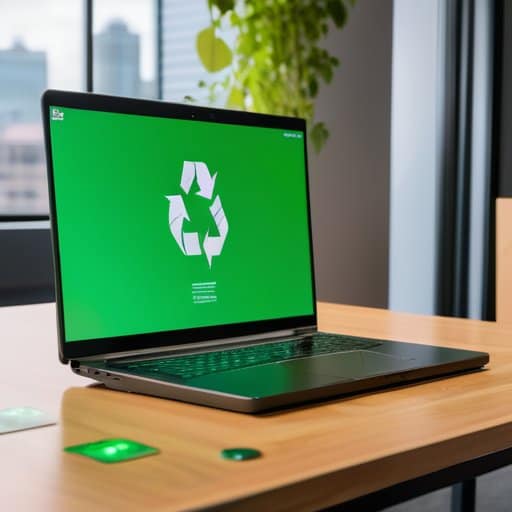
We’ve traced how modern venture capital is rewiring the traditional deal pipeline into a self‑reinforcing circular capital engine. Smart LPs are no longer satisfied with headline‑level ESG scores; they demand impact metrics that prove a startup can turn waste streams into revenue, shrink material footprints, and scale without sacrificing margins. Meanwhile, green‑focused VC firms are betting on platform‑level innovations—AI‑driven waste sorting, bio‑based feedstocks, and product‑as‑a‑service models—that create new revenue loops. The funding playbooks we unpacked—from waste‑management fund structures to blueprint‑style term sheets—show that the right financing architecture can turn a scrap‑laden supply chain into a profit‑generating ecosystem. These examples prove that capital can be as regenerative as the materials it finances, closing the loop from seed to scale.
The real invitation, however, isn’t just for investors; it’s a rallying cry for founders, corporates, and policy‑makers to see capital as a catalyst for regenerative growth. When VCs back circular startups, they’re not merely filling a portfolio slot—they’re seeding a future where every discarded bottle, excess grain, and idle warehouse shelf becomes a seed for value creation. So let’s keep the funding loop open, keep the due‑diligence chats messy, and keep betting on bold ideas that turn trash into treasure. Together, we’ll rewrite the rules of profit for good, and watch a truly sustainable economy take shape. The journey starts today—let’s fund the loop and spark change now.
Frequently Asked Questions
How do venture capitalists evaluate the long‑term profitability of circular business models versus traditional linear startups?
VCs start by mapping the “value‑loop” – every material input, reuse step, and revenue stream – to see if the economics hold up at scale. They stress‑test cash‑flow models against longer asset lifespans, service‑based income (e.g., leasing, take‑back fees) and the cost‑savings from waste avoidance. Then they compare those projections to a linear rival’s one‑time sales forecast, weighting the circular firm’s ESG resilience, regulatory tailwinds, and exit‑potential (e.g., strategic roll‑ups). The goal: confirm that the loop’s upside outweighs the higher upfront capex and operational complexity.
What specific metrics or impact KPIs do LPs look for when allocating capital to waste‑to‑value or resource‑recovery ventures?
LPs look at two score‑cards: the financial levers that turn waste into profit, and the ESG metrics that prove real climate impact. Key profit KPIs are revenue from recovered material, gross margin on upcycled products, and pay‑back period for the technology. Impact KPIs track tonnes of waste diverted, CO₂e avoided, water saved, and jobs created in circular supply chains. The tighter the link between profit and impact, the more likely an LP will fund.
Which emerging sectors (e.g., textile recycling, food upcycling, e‑waste) are currently attracting the most VC attention in the circular economy space?
VCs are zeroing in on three sectors reshaping the economy. First, textile‑loop platforms that turn post‑consumer fabrics into fibers are pulling checks. Second, food‑upcycling engines that rescue “ugly” produce or surplus ingredients and turn them into protein‑rich snacks, functional powders, or animal‑free ingredients are getting love. Third, e‑waste firms that pair AI‑driven sorting with modular hardware to harvest precious metals are seeing rounds. All three blend ESG appeal with exit paths, making them darlings today.
