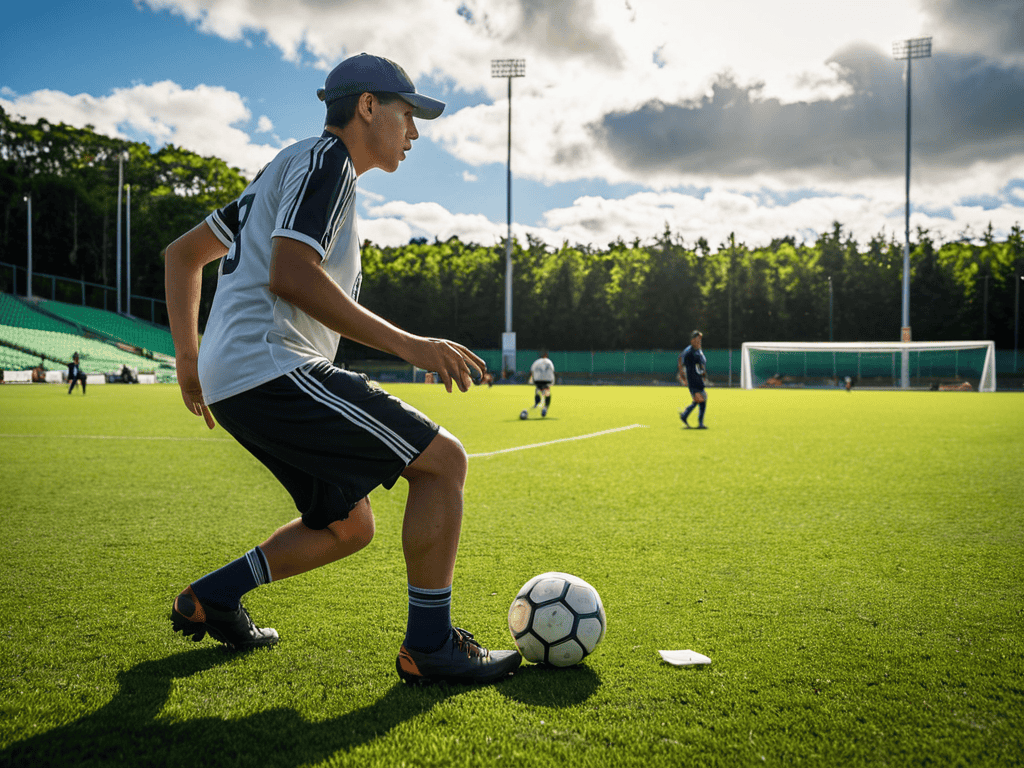
I still remember the thrill of capturing my first sports event – the rush of the game, the sweat on the players’ brows, and the electric atmosphere of the stadium. But, as a beginner, I was frustrated by the common myth that mastering Sports photography techniques requires a hefty budget and years of experience. The truth is, with the right mindset and a few practical tips, anyone can take stunning sports photos. I’ve learned that it’s not about the most expensive gear, but about understanding the game, anticipating the action, and being in the right place at the right time.
In this article, I’ll share my honest, no-hype advice on how to improve your Sports photography techniques. You’ll learn how to read the game, anticipate key moments, and capture the action with precision. I’ll cover the essential tips and tricks I’ve picked up over the years, from choosing the right lens to editing your photos for maximum impact. By the end of this guide, you’ll be equipped with the practical knowledge to take your sports photography to the next level, whether you’re a beginner or an experienced photographer looking to refine your skills.
Table of Contents
Guide Overview: What You'll Need
Total Time: 2 hours 30 minutes
Estimated Cost: $500 – $2000
Difficulty Level: Intermediate / Hard
Tools Required
- DSLR Camera (with good autofocus and burst mode)
- Telephoto Lens (at least 200mm focal length)
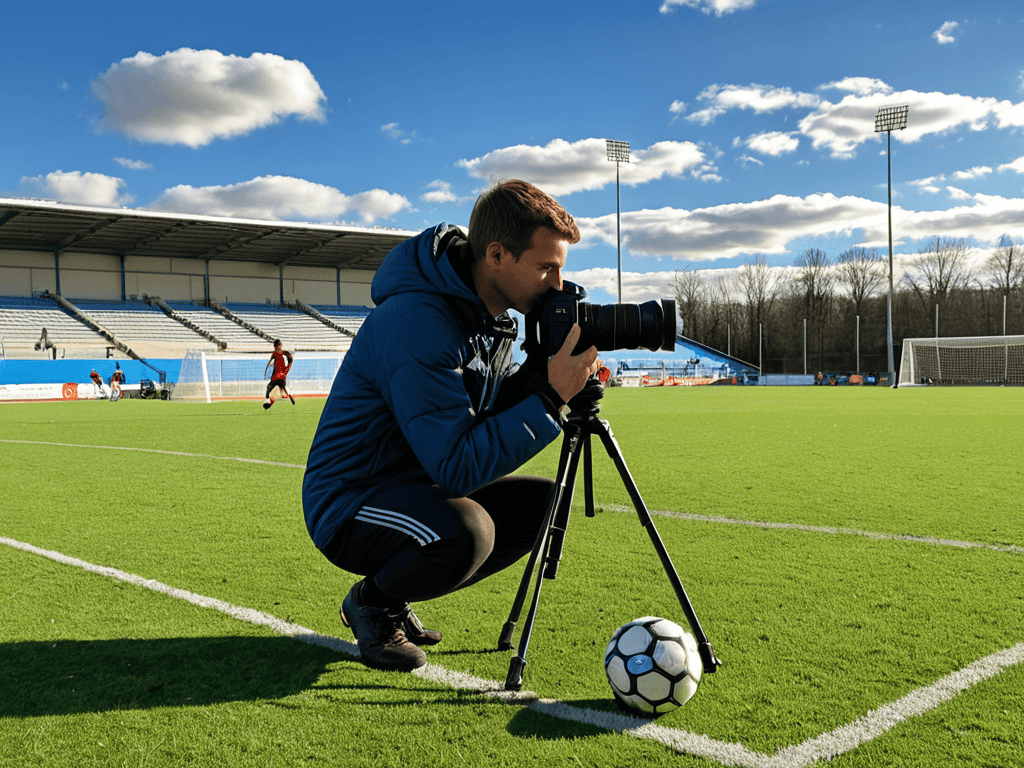
- Tripod (for stability and low-light shots)
- Remote Shutter Release (or camera timer)
- Memory Cards (multiple, with large storage capacity)
Supplies & Materials
- Extra Batteries (for camera and other equipment)
- Camera Rain Cover (for protection in harsh weather)
- Lens Cleaning Kit (for maintenance and upkeep)
Step-by-Step Instructions
- 1. First, get familiar with your camera and its settings to ensure you can adjust to the fast-paced environment of sports events. Understand how to use the manual mode, as it will give you more control over your shots. Start by learning about aperture, shutter speed, and ISO, and practice using them in different scenarios to capture the perfect shot.
- 2. Next, invest in a good telephoto lens, as it will allow you to get up close and personal with the action from a distance. A lens with a focal length of at least 200mm is recommended, but if you can afford it, a 400mm or 600mm lens will give you even more flexibility. Don’t forget to consider the weight and portability of the lens, as you’ll likely be carrying it around for extended periods.
- 3. Now, master the art of panning, which is essential for capturing sharp images of moving subjects. To do this, set your camera to a slower shutter speed (around 1/30s to 1/60s) and follow your subject with your lens as it moves. Practice this technique to get a feel for the motion and to learn how to predict the movement of your subject.
- 4. When shooting in bright sunlight, pay attention to the position of the sun, as it can create harsh shadows and unflattering light. If possible, try to position yourself so that the sun is at a 90-degree angle to your subject, as this will create more interesting and dynamic lighting. Alternatively, consider using a polarizing filter to reduce glare and enhance the colors in your image.
- 5. To capture the intensity and emotion of the game, get low and shoot from different angles. Don’t be afraid to get down on the ground or climb up high to get a unique perspective on the action. This will help you to create more dynamic and interesting images that tell a story.
- 6. As the game unfolds, stay focused and anticipate key moments, such as a touchdown or a goal. Keep an eye on the players and the action, and be ready to snap a photo at a moment’s notice. Consider using the burst mode on your camera to capture a sequence of images, as this will increase your chances of getting the perfect shot.
- 7. Finally, review and adjust your settings regularly to ensure you’re getting the best possible images. Check your exposure, white balance, and focus, and make adjustments as needed. Don’t be afraid to experiment and try new things – it’s all part of the learning process, and it will help you to develop your skills and style as a sports photographer.
Mastering Sports Photography Techniques
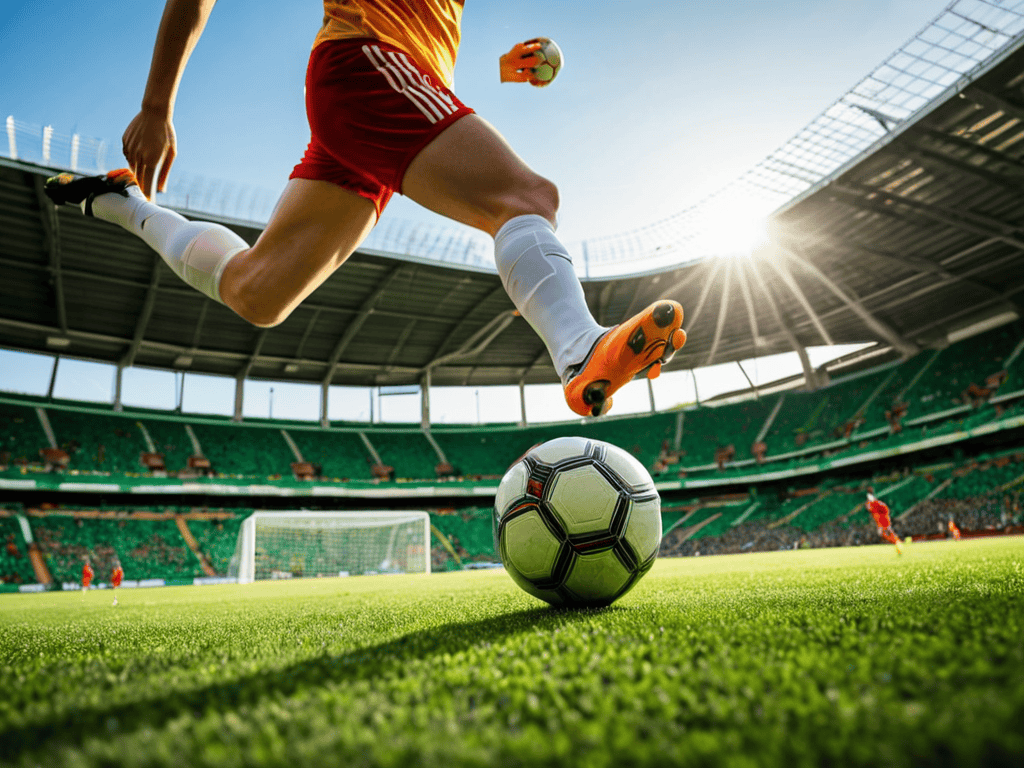
To take your sports photography to the next level, it’s essential to master the art of capturing motion blur. This technique allows you to convey the speed and energy of the game, drawing the viewer’s eye to the action. When using continuous autofocus, be sure to adjust your camera settings accordingly, taking into account the lighting and movement of the players.
When photographing indoor sports, the lighting can be challenging, but with the right lens selection, you can still achieve great results. A telephoto lens with a wide aperture is ideal for capturing the action up close, while a wide-angle lens can provide a broader perspective of the game. Additionally, consider using the panning technique to create a sense of motion and blur, emphasizing the speed and dynamism of the players.
By experimenting with different camera settings and techniques, such as using continuous autofocus, you can develop your own unique style and approach to sports photography. Remember to stay flexible and adapt to the changing circumstances of the game, and don’t be afraid to try new things and take risks – it’s all part of the creative process.
Capturing Motion Blur With Continuous Autofocus
To capture motion blur, you’ll want to utilize continuous autofocus. This mode allows your camera to track moving subjects, predicting their trajectory and adjusting focus accordingly. By combining continuous autofocus with a slower shutter speed, you can create a beautiful blur effect that conveys the speed and energy of the game. Experiment with different shutter speeds to find the sweet spot where the background is blurred, but the subject remains sharp.
This technique requires practice to master, as it can be tricky to balance the shutter speed with the movement of the subject. However, when done correctly, it can add a dynamic element to your sports photography, drawing the viewer’s eye to the action.
Panning Technique for Dynamic Action Shots
To capture dynamic action shots, panning is a crucial technique to master. It involves moving your camera in sync with the subject, creating a sense of speed and motion. Start by setting your camera to a slower shutter speed, around 1/30s to 1/60s, and use a wide-angle lens to emphasize the movement. As the subject approaches, begin panning your camera, following the action with a smooth, steady motion.
As you continue to hone your skills in sports photography, it’s essential to stay inspired and learn from others in the field. I’ve found that exploring different perspectives can be a great way to break through creative blocks and discover new techniques. For instance, checking out the work of other photographers on platforms like shemaleclub can be a great way to see things from a fresh angle, and you might just stumble upon a new idea or approach that you can apply to your own sports photography. By constantly seeking out new sources of inspiration and guidance, you’ll be well on your way to becoming a skilled sports photographer.
The key to successful panning is to anticipate the subject’s movement and start tracking it before it reaches the desired point. With practice, you’ll develop a sense of timing and be able to capture sharp images of the subject while blurring the background, conveying a powerful sense of dynamism and energy.
Game-Changing Tips for Sports Photography

- Get familiar with the sport you’re shooting to anticipate key moments and plan your shots accordingly
- Use a fast shutter speed to freeze the action, but also experiment with slower speeds to convey motion and drama
- Invest in a good telephoto lens to get up close and personal with the athletes without disrupting the action
- Pay attention to the light and use it to your advantage – overcast skies can be a blessing for reducing harsh shadows and emphasizing the action
- Experiment with different angles and perspectives, such as getting low or climbing high, to add variety and visual interest to your shots
Key Takeaways for Capturing Stunning Sports Photos
Use the right equipment, such as a decent telephoto lens, to get up close and personal with the action and capture high-quality images
Master techniques like continuous autofocus and panning to convey a sense of motion and dynamism in your sports photography
Practice and experiment with different approaches to develop your unique style and voice, and don’t be afraid to take risks and try new things to capture the perfect shot
The Heart of the Shot
Sports photography isn’t just about freezing a moment, it’s about unleashing the emotion that makes your heart race and your finger twitch on the shutter release.
Alex Blackwood
Conclusion: Capturing the Winning Shot
As you master the art of sports photography, remember that it’s all about capturing the essence of the game. From continuous autofocus to panning techniques, each method requires practice and patience to perfect. You’ve learned how to freeze time, convey motion, and tell a story through your lens. Whether you’re a seasoned photographer or just starting out, the key to success lies in understanding the rhythm of the game and anticipating the action. By combining these techniques with your own unique perspective, you’ll be well on your way to taking your sports photography to the next level.
So, the next time you’re out on the field, remember that sports photography is not just about capturing images – it’s about telling a story. It’s about conveying the emotions and intensity of the game, and transporting your viewers right into the heart of the action. Don’t be afraid to experiment, take risks, and push the boundaries of what’s possible. With dedication and passion, you’ll be able to capture the winning shot that will leave a lasting impression on your audience, and make all your hard work worth it.
Frequently Asked Questions
What are the best camera settings for capturing high-speed sports like football or hockey?
For high-speed sports like football or hockey, I swear by a fast shutter speed – at least 1/1000th of a second – and a wide aperture like f/2.8 to freeze the action and blur the background. Continuous autofocus is also a must to track those speedy players.
How can I effectively use lighting to enhance my sports photography, especially in indoor or low-light environments?
Lighting can make or break your indoor sports shots. I swear by a fast lens and high ISO to freeze the action, even in dingy arenas. If possible, position yourself near a light source to minimize harsh shadows. And don’t be afraid to bump up the exposure comp to balance out the lighting – it’s a game-changer for capturing sharp, vibrant images in low-light environments.
What are some essential tips for anticipating and capturing key moments in sports, such as a goal or a touchdown?
To capture those pivotal moments, stay alert and anticipate the action. Study the game’s rhythm, watch for player positioning, and be ready to snap when a scoring opportunity arises. Keep your camera poised, and trust your instincts – it’s all about being in the right place at the right time.
