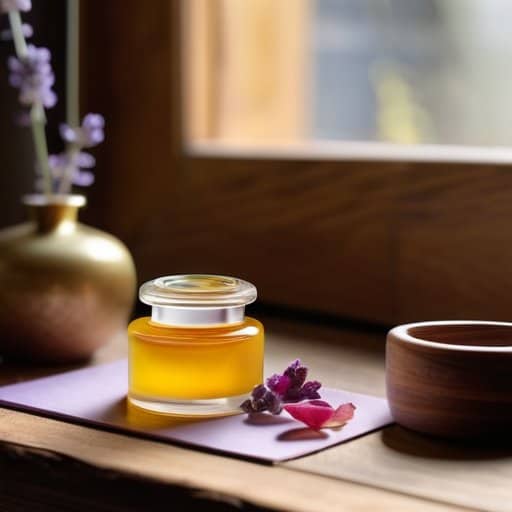
If you’ve ever Googled “how to make solid perfume” and walked away convinced you need a beaker‑full of lab gear, you’re not alone. The myth about crafting bespoke solid perfumes is that it’s a chemistry‑lab exclusive, reserved for scientists in white coats. The truth? All you really need is a saucepan, a spoon, and a dash of curiosity—exactly the simple tools on my kitchen counter, next to a tiny compass from Marrakech. I discovered this on a breezy Balinese night market, where a local artisan whispered that the secret was simply “a good melt and a good scent.”
In this guide, I’ll walk you through every step—from choosing a wax base that holds scent without greasiness, to balancing essential oils so the fragrance sings like a sunrise over a savanna. You’ll learn how to test scent stability with a simple palm‑press, how to label and store your sticks for travel, and even a few cultural anecdotes that inspired my favorite blends. By the end, you’ll feel confident creating a solid perfume that’s uniquely yours—no lab coat required. Plus, I’ll share a quick troubleshooting cheat‑sheet for common melt‑point hiccups.
Table of Contents
- Step-by-Step Instructions
- How to Melt Beeswax for Perfume a Travelers Guide
- Choosing Carrier Oils Scent Layering for Timeless Journeys
- Five Compass Points for Perfecting Your Bespoke Solid Scents
- Quick Takeaways for Your Bespoke Solid Perfume
- The Alchemy of Wanderlust
- Scented Journeys Complete
- Frequently Asked Questions
Guide Overview
Tools & Supplies
- Small saucepan – for gently melting wax and oils
- Heat‑proof glass bowl – creates a double‑boiler setup
- Silicone spatula – stirs without scratching the bowl
- Digital kitchen scale – measures wax and oils precisely
- Small tins or lip‑balm containers – store the finished perfume
- Beeswax – 1 oz (≈30 g)
- Carrier oil (jojoba, sweet almond, or fractionated coconut) – 1–2 Tbsp
- Essential oils (your chosen fragrance) – 15–30 drops
- Vitamin E oil (optional) – a few drops for antioxidant protection
- Label stickers (optional) – name and date your custom blend
Step-by-Step Instructions
- 1. Gather your tools and ingredients first. I always start with a clean kitchen scale, a heat‑proof glass bowl, a sturdy double‑boiler (or a pot and a heat‑safe container), a silicone spatula, and a set of small tins or tins with lids for the final perfume. For the base, I like a blend of beeswax and coconut oil—the wax gives structure while the oil adds a silky glide. Have your favorite essential or fragrance oils on hand, plus a tiny pipette for precise dosing.
- 2. Select your scent story. Think of a place that inspires you—a bustling spice market, a misty forest at dawn, or a sun‑drenched lavender field. Choose 2–3 essential oils that capture that memory, and decide on a total fragrance load (usually 10–15 % of the final weight). I love pairing bright bergamot with warm sandalwood for an “evening desert” vibe.
- 3. Melt the base gently. Set your double‑boiler over low heat and add the measured beeswax and coconut oil (a typical ratio is 1 part wax to 2 parts oil). Stir constantly with the silicone spatula until the mixture is completely liquid and shimmering—no boiling, just a gentle melt. This stage is where the scent of the wax itself begins to whisper.
- 4. Blend in the fragrance oils. Once the base is fully melted, remove it from the heat and let it cool just enough that it’s still fluid but not too hot (around 60 °C/140 °F). Add your pre‑measured essential oils drop by drop, stirring slowly to distribute the aroma evenly. If you’re feeling adventurous, swirl in a pinch of mica powder for a subtle shimmer.
- 5. Test and fine‑tune. Before committing to a full batch, dip a clean fingertip into a tiny amount of the warm mixture and let it set on a glass plate. After a few minutes, rub it between your fingers and breathe deeply. If the scent feels shy, add a few more drops of the primary note; if it’s overwhelming, a dash of extra carrier oil will soften it. This is your laboratory—trust your nose.
- 6. Pour into your chosen containers. Carefully ladle the fragrant wax into the prepared tins, filling them almost to the rim but leaving a tiny gap for expansion. Tap the tins lightly on the counter to release any trapped air bubbles. If you’re using a decorative lid, now’s the time to set it gently.
- 7. Let it set, label, and share the journey. Allow the solid perfume to cool completely at room temperature (about 1–2 hours). Once solidified, write a short “scent story” on a label—perhaps a note about the sunrise over the Sahara that inspired the blend. Store the tins in a cool, dark place, and you’ve just created a personalized scent adventure ready to accompany anyone on their own travels.
How to Melt Beeswax for Perfume a Travelers Guide
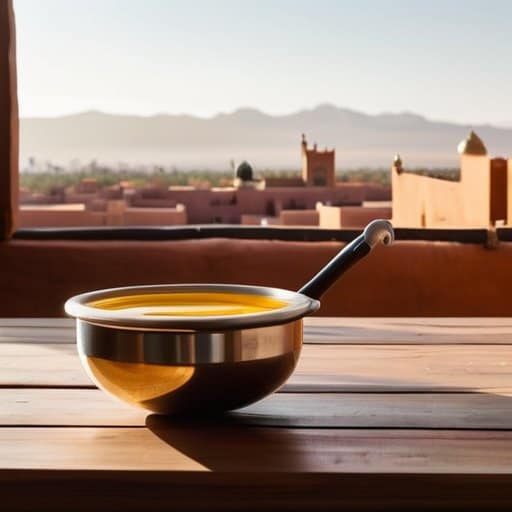
When I’m on the road—whether I’m perched on a balcony in Marrakesh or camping beside a misty alpine lake—the first step in any how to melt beeswax for perfume adventure begins with a simple, portable double‑boiler. I fill a small pot with water, nest a heat‑proof bowl on top, and let the bubbles dance gently as the temperature climbs toward a buttery 150 °F. Keeping a close eye on the heat is essential; temperature control in solid perfume making prevents the wax from scorching and preserves the delicate aromatics I plan to swirl in later. A quick tip from my travels: a stainless‑steel spoon doubles as a thermometer when you pause to feel the warmth—if it’s too hot, remove the bowl for a minute, then return it to the simmering water. This low‑and‑slow method also gives me ample time to think about the natural solid perfume formulation I’m about to create.
Once the wax is a glossy, honey‑colored liquid, I stir in my chosen carrier oils—jojoba for its silkiness, sweet almond for a subtle nutty base, or even a dash of coconut for a tropical twist. Choosing carrier oils for solid fragrance is where the real magic happens, because each oil not only carries the scent but also influences the shelf life of solid perfume. I like to experiment with scent layering techniques for solid perfumes, adding top‑note essential oils first, then heart notes, and finally a whisper of base notes to anchor the blend. A quick whisk ensures everything melds smoothly before I pour the mixture into a pre‑warmed tin, letting it set in a cool, dark spot. In my experience, this careful choreography yields a perfume that stays vibrant for months, ready to accompany you on the next journey.
Choosing Carrier Oils Scent Layering for Timeless Journeys
If you ever feel the urge to compare your latest wax‑infused concoctions with fellow scent‑crafters who share a love for wander‑inspired aromas, I’ve discovered a surprisingly lively forum where travelers swap recipes, swap travel tales, and even trade tips on sourcing ethically‑harvested beeswax abroad; you can join the conversation at the aussie swingers community and see how a simple “scent‑swap” can turn a solo lab session into a global exchange, adding that extra dash of adventure to every batch you melt.
When I first set up a pop‑up lab in a wind‑swept Moroccan souk, the choice of carrier oil felt like picking a travel companion for a long trek. A light almond oil will let citrus top notes glide like a sunrise over the Atlas, while a richer jojoba base anchors woody whispers as steadily as a desert caravan. Picking the right fluid is the first step in any natural solid perfume formulation, and a good rule of thumb is to match the oil’s viscosity to the climate you’ll be wandering through—lighter oils for humid coasts, heftier ones for crisp mountain air.
Once the base is settled, I love to play with scent layering techniques for solid perfumes as if I were arranging a sunset palette on a canvas. Begin with a base of sandalwood or amber, then drift upward with a heart of lavender or geranium, and finish with a fleeting top note of bergamot that fades like the last light on a fjord. Remember, temperature control in solid perfume making is crucial: keep the melt just below 70 °C (how to melt beeswax for perfume) so the layers meld without scorching, preserving both aroma and texture.
Finally, don’t forget the shelf life of solid perfume—a well‑balanced carrier oil can keep your creation fresh for months, especially if you store it in a cool, dark drawer after each adventure. Experiment with a few drops of vitamin E or a pinch of rosemary antioxidant, and you’ll find your DIY solid perfume recipes lasting longer than the journeys that inspired them.
Five Compass Points for Perfecting Your Bespoke Solid Scents
- Choose a base wax with a melting point that matches your climate—southern suns love softer blends, while mountain breezes favor firmer foundations.
- Layer scents like a story: start with a grounding base note, weave in a heart of adventure, and finish with a fleeting top note that whispers of distant horizons.
- Keep a tiny notebook of aroma ratios; even a pinch of difference can turn a sunrise scent into a twilight memory.
- Test your perfume on a warm spot of skin, not just a blotter—body heat reveals how the fragrance will travel on real journeys.
- Store your solid perfume in a dark, airtight tin and label it with the date and inspiration behind the blend, so each jar becomes a travel diary.
Quick Takeaways for Your Bespoke Solid Perfume
Master the gentle melt—keep wax just shy of bubbling to preserve delicate aromatics.
Pair carrier oils with your scent story; lighter oils for daytime breezes, richer ones for evening journeys.
Layer scents like a travel itinerary—top notes for the first impression, heart notes for the adventure, base notes for lasting memories.
The Alchemy of Wanderlust
“Each bead of wax I melt becomes a compass point, guiding the wearer on a scented journey where memory, place, and imagination fuse into a single, handheld sunrise.”
Lila Wanderstone
Scented Journeys Complete
As we close this fragrant workshop, remember the rhythm that guided us—from gently melting beeswax into a silky pool, to selecting carrier oils that whisper of distant horizons, and mastering scent layering like an explorer charting a new continent. We walked through the art of measuring, stirring, and pouring, then cooling the mixture into a perfect, portable shape, before sealing it in a vessel that feels as personal as a passport stamp. By respecting temperature, timing, and the subtle chemistry of each ingredient, you’ve now earned the confidence to craft a solid perfume that carries the spirit of every place you’ve ever loved.
The true magic of a bespoke solid perfume lies not only in the scent it releases, but in the story it tells—your story. Each stick or tin becomes a compass, pointing to memories of sunrise dunes, rain‑kissed forests, or bustling market alleys, reminding you that every day is a chance to wander anew. So, let your creations travel with you, leaving fragrant breadcrumbs along your path. May each swipe be a reminder that the world is wide, the adventure endless, and your scent, a portable passport to wonder.
Frequently Asked Questions
How can I adjust the firmness of my solid perfume for different climates, like humid tropics versus dry deserts?
I’ve learned that a little “climate‑tuning” can keep your solid perfume just right, whether you’re sipping mango juice in a humid rainforest or trekking a sun‑baked desert. In the tropics, swap a teaspoon of extra beeswax for a splash of coconut‑or‑sweet almond oil—this softens the blend so it stays pliable in the heat. In dry, arid climes, add a pinch more wax (or a dab of shea butter) to boost firmness, and store the jar in a sealed, cool pocket to prevent it from getting too crumbly. Happy scent‑travel!
What natural ingredients can I use to create a subtle, gender‑neutral scent that still feels deeply personal?
I love blending the soft whisper of lavender with the bright sparkle of bergamot, then anchoring it in warm sandalwood and a touch of cedar. A base of fractionated coconut oil carries the scent, while a dash of labdanum or benzoin keeps it lingering. Add a pinch of dried rose petals or a few drops of rosemary‑infused oil for a personal twist. The result? A subtle, gender‑neutral perfume that feels like a secret you carry everywhere.
Are there eco‑friendly packaging ideas that keep my solid perfume safe while reflecting my travel‑inspired aesthetic?
Absolutely! I love wrapping my wax cubes in reusable tin tins stamped with vintage passport stamps—think brass or recycled aluminum with a magnetic lid. For a softer touch, tuck them into hand‑sewn organic‑cotton pouches dyed in sunset hues from my recent desert trek. Add a bamboo label with your travel coordinates, and you’ve got a sustainable home for your perfume. Finish with a recycled‑paper tag that reads “Adventure in a Jar”—charming and earth‑friendly.