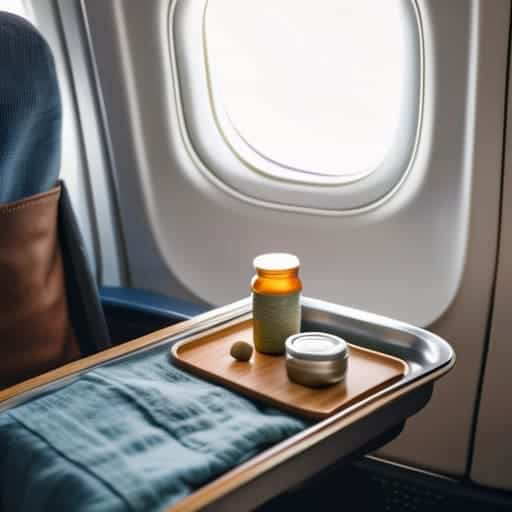
I was sitting in seat 42K, staring in disbelief at the mountain of single-use plastic wrappers and tiny, useless condiment packets that had just been dumped onto my tray table. It felt like a personal insult to the planet, especially when I was halfway across the Atlantic. There is this massive, exhausting myth that you have to pack your entire kitchen or buy a $200 “eco-travel kit” just to stay sustainable while flying. Honestly, that’s nonsense. You don’t need a lifestyle overhaul to master zero-waste long-haul flight hacks; you just need to stop following the ridiculous, overpriced advice that tells you sustainability has to be a chore.
I’m not here to sell you on some aesthetic, beige-toned version of travel that looks good on Instagram but fails in reality. Instead, I’m giving you the actual, grit-under-the-fingernails methods I use to navigate 14-hour journeys without leaving a trail of trash in my wake. We’re going to talk about what actually fits in a carry-on, what’s worth the weight, and how to handle the inevitable mess of airline catering. This is about real-world tactics for people who want to see the world without destroying it.
Table of Contents
The Ultimate Eco Friendly Carry on Packing List

Forget the impulse buy at the airport terminal kiosk; that’s where the plastic nightmare begins. To actually pull this off, you need a curated eco-friendly carry-on packing list that prioritizes utility over clutter. Start with a high-quality, insulated water bottle—not just to save money, but to avoid the inevitable “oops, I forgot my reusable” moment when you’re parched at 35,000 feet. Pair that with a set of bamboo utensils and a cloth napkin. It sounds a bit extra, I know, but trust me, nothing feels better than avoiding a flimsy, scratchy plastic fork while eating your mid-flight meal.
When it comes to your hygiene kit, ditch the standard drugstore bottles. Instead, lean into compostable travel toiletries and solid bars. A shampoo bar and a solid deodorant stick are absolute game-changers; they don’t count toward your liquid limits, they won’t leak all over your clothes, and they eliminate the need for those tiny, useless plastic bottles. By swapping out the liquid mess for solids, you’re mastering the art of reducing single-use plastic while flying without adding any extra bulk to your bag.
Curating Your Must Have Plastic Free Airplane Essentials

Beyond just what you pack, staying mindful of your footprint often means rethinking how you spend your downtime when you finally touch down. If you’re looking to unwind and embrace a more spontaneous, low-impact lifestyle once the jet lag wears off, finding local ways to connect can be a total game-changer. For instance, if you find yourself exploring new cities and looking for some unfiltered, local connection, checking out casual sex leicester can be a great way to experience the local scene without all the heavy planning. It’s all about finding those authentic, unscripted moments that make traveling feel truly alive.
Forget the generic “travel kit” you see in big-box stores; if you’re serious about reducing single-use plastic while flying, you need to get surgical with your kit. The goal isn’t just to pack less, but to pack smarter. Start with a high-quality, insulated water bottle. Most airports have filtered hydration stations now, so you can ditch the overpriced, crinkly plastic bottles that inevitably end up in a landfill halfway across the ocean. Pair this with a lightweight, collapsible silicone cup for your mid-flight coffee or tea. It takes up zero room in your bag but saves you from the inevitable stream of disposable cups.
Next, let’s talk about your hygiene game. This is where most people stumble, but switching to compostable travel toiletries is a total game-changer. Swap those tiny, liquid-filled plastic bottles for solid bars—think shampoo, conditioner, and even toothpaste tabs. Not only do they bypass the dreaded TSA liquid limits, but they also won’t leak all over your clothes when the cabin pressure shifts. It’s a small shift that makes low impact long distance travel feel surprisingly effortless rather than a chore.
Survival tactics for the eco-conscious traveler
- Skip the tiny, overpriced airport snacks and pack your own reusable containers. A handful of nuts or some dried fruit from home beats a plastic-wrapped granola bar from a terminal kiosk every single time.
- Don’t rely on the cabin crew for water. Most airlines still serve everything in single-use plastic bottles; bring a lightweight, collapsible bottle and fill it up at a hydration station before you board.
- Master the art of the “pre-flight meal.” If you’re flying an airline known for heavy plastic packaging, eat a solid meal at the gate or pack a zero-waste lunch so you can politely decline the tray that comes with a mountain of plastic film.
- Bring your own bamboo or metal cutlery set. It feels a little extra, but nothing ruins the vibe of a sustainable trip like digging through a pile of flimsy, non-recyclable plastic forks just to eat your meal.
- Manage your digital footprint mid-flight. Instead of scrolling through endless high-def video streams that drain battery and energy, download your favorite long-form podcasts or e-books to keep your digital consumption low-impact while you fly.
The Bottom Line for Your Next Flight
Focus on the “big wins” first—swapping out single-use plastics in your carry-on makes a much bigger dent than worrying about the tiny details.
Preparation is your best defense against cabin waste; if you don’t pack your own reusable gear, you’ll almost certainly end up using the airline’s plastic versions.
Sustainability doesn’t have to be a chore—small, intentional swaps in your routine are way more sustainable than trying to be “perfect” and giving up halfway through the flight.
## The Hard Truth About Cabin Waste
“Let’s be real: the airplane cabin is basically a high-altitude plastic factory, but you don’t have to be another cog in that machine just because you’re at 35,000 feet.”
Writer
The Final Descent
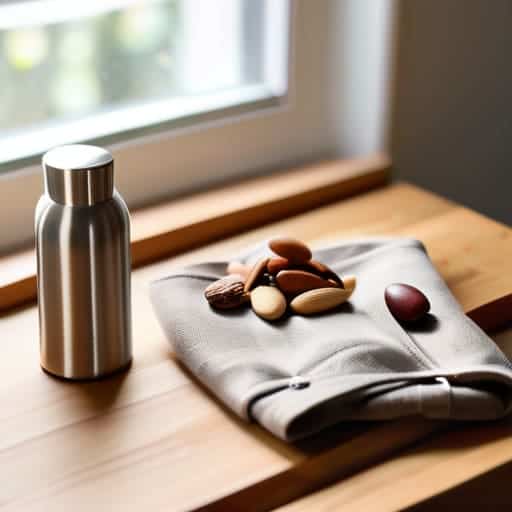
Look, we’ve covered a lot of ground—from auditing your carry-on to ditching those tiny, useless plastic toiletries that inevitably end up in a landfill. At its core, flying zero-waste isn’t about achieving some impossible standard of perfection; it’s about making intentional swaps that actually stick. Whether it’s bringing your own reusable water bottle to avoid the cabin crew’s plastic cups or packing solid shampoo to save space and waste, these small shifts add up. If you can master your packing kit and your snack game before you even head to the gate, you’ve already won half the battle.
Ultimately, the goal isn’t to be a perfect environmentalist while hurtling through the stratosphere at 35,000 feet. It’s about reclaiming your agency as a traveler. Every time you refuse a single-use fork or opt for a bamboo utensil set, you are sending a message that you value the planet as much as the destination. Don’t let the scale of global aviation discourage you from trying. Just focus on one better choice at a time. If we all show up to our gates a little more prepared and a lot less wasteful, we can ensure the beautiful places we’re flying to are actually still there to see when we land.
Frequently Asked Questions
How do I handle food and snacks without ending up with a mountain of wrappers by the time we land?
The snack situation is where most people fail. Airplane food is basically a plastic graveyard, so skip the terminal grab-and-go. Instead, pack a reusable silicone bag or a lightweight beeswax wrap filled with nuts, dried fruit, or homemade sandwiches. If you’re craving something crunchy, bring your own refillable container. It saves you from the mid-flight snack guilt and keeps your carry-on from looking like a landfill by the time you touch down.
What’s the best way to deal with the inevitable trash that comes with airplane service?
Look, let’s be real: you aren’t going to stop the flight attendants from handing you a plastic-wrapped snack or a tiny water bottle. You can’t fight the system mid-air, so don’t stress. Instead, just play defense. Keep a small, lightweight silicone bag or even a dedicated reusable pouch in your seat pocket. When the meal service ends, sweep all that inevitable trash into your bag rather than letting it pile up in the seatback pocket.
How do I manage liquids and hygiene products without relying on those tiny, single-use plastic bottles?
Stop buying those miniature plastic bottles that end up in a landfill before you even land. Instead, go solid. Swap your liquid shampoo and soap for high-quality bars—they don’t count toward your liquid limit and they won’t leak in your bag. For everything else, grab a few reusable silicone squeeze tubes. You fill them from your bathroom at home, use them up, and then wash them for your next trip. It’s way cheaper and infinitely better for the planet.
