As I sit amidst my thriving urban garden, I often ponder the age-old debate: minimalism vs essentialism. It’s a choice many of us face, particularly in our consumerist society where stuff can quickly overwhelm our lives. I’ve seen friends and clients struggle to decide between these two philosophies, unsure of which path will lead them to a more simplified and fulfilling life. For me, the journey began when I moved from a small town in Oregon to the city for college, and I had to reconcile my love for nature with the realities of urban living.
In this article, I promise to cut through the hype and offer you a no-nonsense guide to navigating the world of minimalism vs essentialism. I’ll share my personal experiences, including the lessons I’ve learned from tending to my urban garden, to help you make an informed decision that suits your unique needs and lifestyle. My goal is to empower you with practical tips and honest advice, so you can create a life that’s truly yours – one that balances simplicity, sustainability, and joy.
Table of Contents
Minimalism
Minimalism is a lifestyle that involves living with only the essentials, focusing on simplicity and reducing unnecessary clutter. At its core, minimalism is about stripping away the non-essential to make room for what truly adds value to one’s life, with its main selling point being the promise of a more streamlined, efficient existence. By embracing minimalism, individuals can potentially save time, money, and mental energy.
As someone who’s passionate about urban gardening, I’ve seen firsthand how minimalism can transform a space. By applying the principles of minimalism to my own garden, I’ve been able to create a more peaceful and intentional environment that allows me to connect with nature in a deeper way. I believe that minimalism can have a similar impact on other areas of life, helping people to cut through the noise and focus on what truly matters to them.
Essentialism
Essentialism is a discipline that involves systematically identifying and eliminating non-essential tasks, allowing individuals to focus on the most important activities that will have the greatest impact. The core mechanism of essentialism is about prioritizing what truly adds value, and its main objective selling point is the potential to increase productivity and achieve greater results with less effort. By applying essentialism, people can potentially reduce stress, increase motivation, and make progress towards their goals.
As a life coach, I’ve worked with clients who’ve struggled to find balance in their lives, and essentialism has been a game-changer for them. By helping them identify their core priorities, we’ve been able to create a more intentional schedule that allows them to make progress towards their goals without feeling overwhelmed. I believe that essentialism can be a powerful tool for anyone looking to streamline their life and achieve greater clarity and focus.
Minimalism vs Essentialism: Head-to-Head Comparison
| Feature | Minimalism | Essentialism |
|---|---|---|
| Key Principle | Reducing possessions and clutter | Focusing on the essential, eliminating the non-essential |
| Main Goal | Simplifying life, reducing stress | Achieving more by focusing on what is truly important |
| Best For | Those seeking simplicity and clarity | Individuals aiming for high productivity and efficiency |
| Approach to Consumption | Avoiding unnecessary purchases | Making intentional, essential purchases |
| Emphasis On | Simplicity and reduction | Prioritization and optimization |
| Philosophical Basis | Living with only the necessary | Eliminating the non-essential to make room for what is truly important |
| Daily Life Impact | Less clutter, more free time | Increased productivity, better work-life balance |
Minimalism vs Essentialism
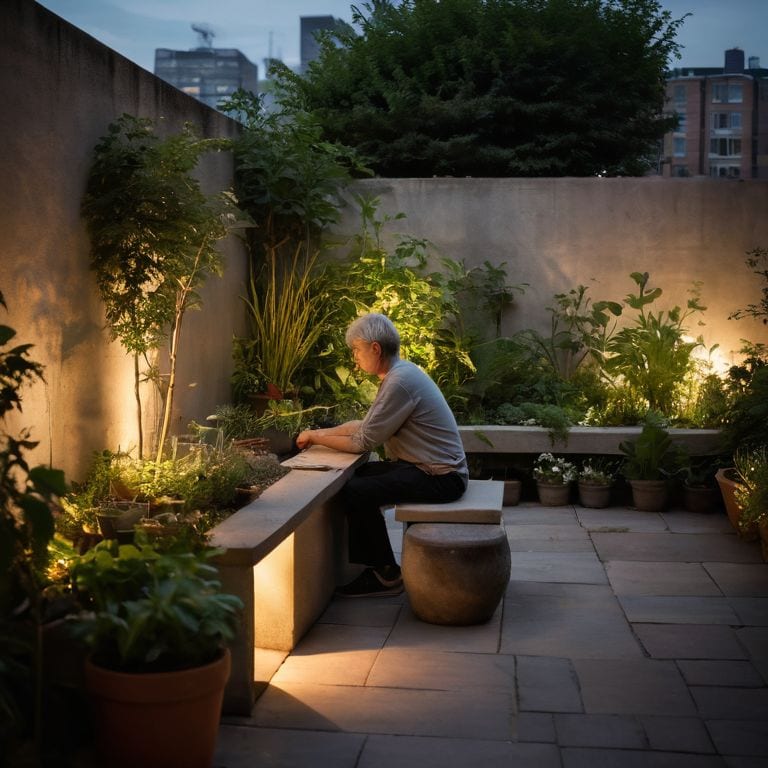
As I sit in my urban garden, surrounded by the simple joys of nature, I’m reminded of why the debate between minimalism and essentialism matters. It’s not just about decluttering our spaces or prioritizing what’s truly important, but about creating a sense of balance in our lives. By understanding the differences between these two philosophies, we can make informed decisions that align with our values and goals.
When it comes to minimalism, the focus is on paring down to the bare essentials, eliminating anything that doesn’t serve a purpose. In contrast, essentialism is about intentionally focusing on what truly adds value to our lives. For instance, a minimalist might get rid of all but one kitchen tool, while an essentialist would carefully consider which tools bring them the most joy and usefulness. This subtle difference has significant practical implications, as minimalism can sometimes lead to a sense of deprivation, while essentialism fosters a sense of mindful abundance.
In the end, I believe that essentialism is the clear winner when it comes to creating a sense of balance and fulfillment. By thoughtfully considering what’s truly essential to our well-being, we can cultivate a more intentional and meaningful life. This approach allows us to nurture our passions and relationships, rather than simply cutting back on what’s not necessary.
Embracing the Best of Both Worlds: 3 Key Takeaways
As I reflect on my own journey with urban gardening, I’ve come to realize that minimalism and essentialism aren’t mutually exclusive – in fact, they can beautifully complement each other to help you create a more intentional, clutter-free space that nurtures your mind, body, and soul.
By embracing the principles of minimalism, such as paring down to only what brings joy or serves a purpose, and combining them with the essence of essentialism, which focuses on identifying and prioritizing what’s truly essential, you can cultivate a lifestyle that’s not just simpler, but also more meaningful and fulfilling.
Whether you’re tending to your garden, organizing your closet, or simply trying to make sense of the chaos in your life, remember that it’s all about finding that delicate balance – and being open to learning, growing, and evolving along the way, just as I do every time I jot down a new idea in my trusty notebook.
Embracing the Essence
As we navigate the delicate dance between minimalism and essentialism, remember that the true beauty lies not in the labels, but in the intention: to cultivate a life that is as simple as it is significant, and as mindful as it is meaningful.
Eli Woods
The Final Verdict: Which Should You Choose?
As I reflect on the comparison between minimalism and essentialism, it’s clear that both philosophies offer unique benefits for simplifying and enriching our lives. Minimalism encourages us to let go of the non-essential, embracing a more streamlined and clutter-free existence. On the other hand, essentialism is about focusing on the vital few, ensuring that our time and energy are invested in what truly matters. By understanding the core principles of each, we can begin to see how they might complement or contradict each other in our pursuit of a more balanced life.
Ultimately, the choice between minimalism and essentialism depends on your personal preferences and priorities. If you’re someone who values simplicity and ease, minimalism might be the better fit. However, if you’re looking to maximize your impact and prioritize what’s truly essential, then essentialism could be the way to go. As someone who’s passionate about urban gardening, I’ve found that a combination of both philosophies helps me cultivate a more intentional and fulfilling life – and I believe the same can be true for you.
Frequently Asked Questions
How do I know if minimalism or essentialism is the right fit for my lifestyle and priorities?
Let’s explore this together – for me, it’s about tuning into your personal rhythm and values. Ask yourself, what sparks joy and serves a purpose in your life? What are your non-negotiables? Reflecting on these questions can help you decide which path resonates more with your unique garden of life.
Can I practice both minimalism and essentialism at the same time, or are they mutually exclusive?
I’d say they’re not mutually exclusive at all. In fact, I like to think of minimalism and essentialism as complementary practices that can harmonize beautifully in your life. You can apply minimalist principles to declutter and simplify, while also embracing essentialism to focus on what truly adds value and meaning – it’s all about finding that balance that works for you.
What role does intention and mindfulness play in distinguishing between minimalism and essentialism in my daily life?
For me, intention and mindfulness are the bridges between minimalism and essentialism. By being intentional with my purchases and mindful of my consumption, I can discern what’s truly essential to my well-being, letting go of the rest. It’s about cultivating awareness in everyday choices, just like tending to my urban garden – nurturing what brings joy and pruning what doesn’t.