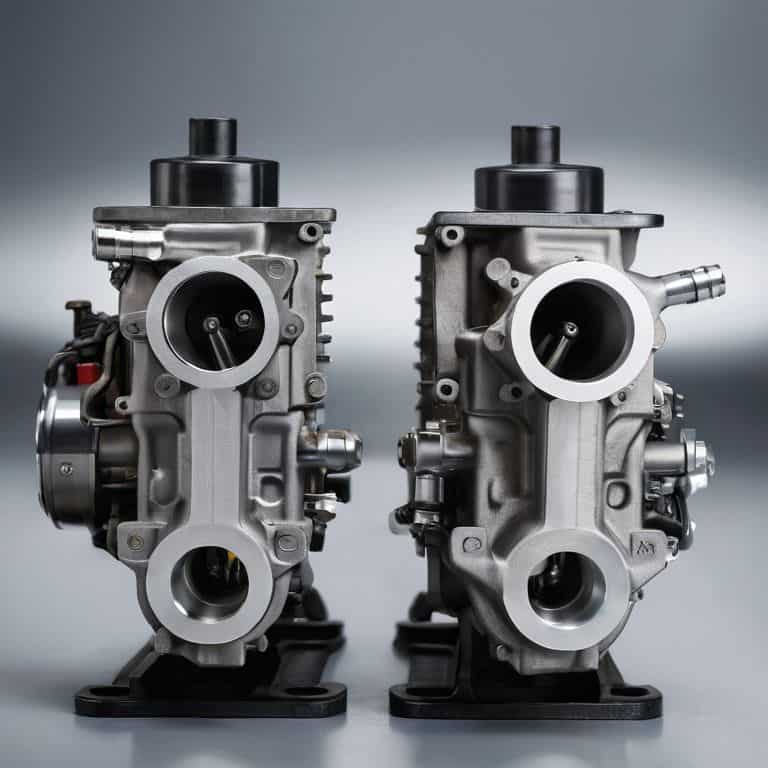
As I embarked on a road trip across the American West, I found myself pondering the difference between a gasoline and diesel engine. My trusty companion, a vintage van with a diesel engine, had been my home for weeks, and I was fascinated by its unique characteristics. However, I couldn’t help but wonder what sets diesel engines apart from their gasoline-powered counterparts. This curiosity sparked a journey of discovery, and I soon realized that many people face a similar dilemma when choosing between these two types of engines.
In this article, I promise to provide you with honest and hype-free advice, born from my own experiences and research. I’ll delve into the world of engines, exploring the intricacies of both gasoline and diesel options, and share my findings with you in a straightforward and engaging manner. By the end of this journey, you’ll have a deeper understanding of the key factors to consider when deciding between a gasoline and diesel engine, and you’ll be better equipped to make an informed decision that suits your needs.
Table of Contents
Gasoline Engine
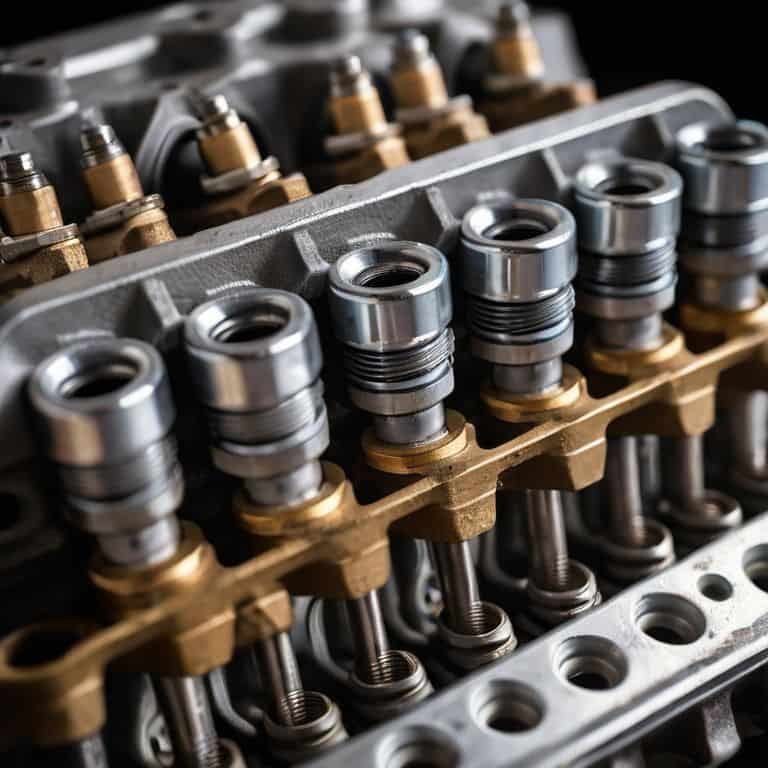
A gasoline engine is a type of internal combustion engine that uses a mixture of air, fuel, and spark to ignite and generate power, with its main selling point being _high-performance capabilities_ in a wide range of vehicles. The core mechanism involves drawing air and fuel into cylinders, where it is ignited by a spark plug, producing a small explosion that drives the piston down and ultimately turns the crankshaft. This process is _optimized for efficiency_ and provides a smooth driving experience.
As I reflect on my travels, I realize that the reliability and _versatility_ of gasoline engines have been instrumental in shaping my adventures. From navigating the bustling streets of Tokyo to cruising down the Pacific Coast Highway, gasoline engines have consistently delivered the power and performance I need to explore new destinations. Whether I’m driving a sleek sports car or a rugged off-road vehicle, the _smooth acceleration_ and responsive handling of a gasoline engine make every journey feel exhilarating and unforgettable.
Diesel Engine
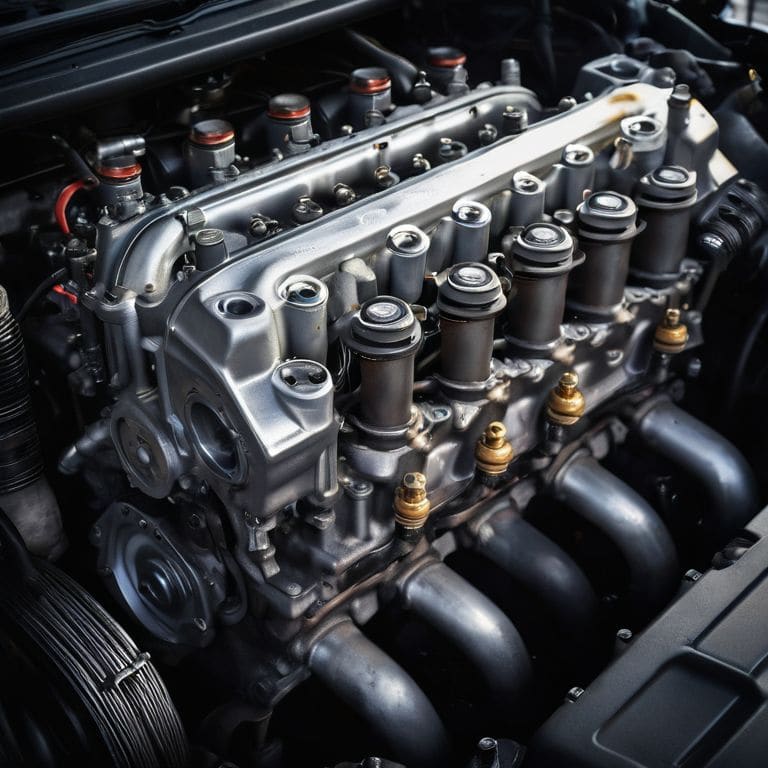
A diesel engine is a type of internal combustion engine that uses compression to ignite the fuel, offering _improved fuel efficiency_ and longer engine life as its primary advantages. The diesel engine’s mechanism involves compressing air in the cylinders to extremely high pressures, where fuel is then injected, causing it to ignite and produce power. This process is _designed for durability_ and provides significant cost savings over time.
My experiences with diesel engines have taught me to appreciate their _torque and towing capacity_, which have proven invaluable on long road trips and when navigating challenging terrain. Whether I’m hauling a trailer across the countryside or driving through the mountainous regions of New Zealand, the _reliable power_ and _low-end grunt_ of a diesel engine give me the confidence to tackle any route. As I explore the world, I’ve come to realize that diesel engines offer a unique combination of _practicality and performance_ that makes them an excellent choice for many travelers.
Head-to-Head Comparison: Gasoline vs Diesel Engines
| Feature | Gasoline Engine | Diesel Engine |
|---|---|---|
| Price | Generally Lower | Generally Higher |
| Key Feature | Spark Ignition | Compression Ignition |
| Best For | Light-Duty Vehicles | Heavy-Duty Vehicles |
| Fuel Efficiency | Lower | Higher |
| Emissions | Higher Emissions | Lower Emissions (except for NOx) |
| Maintenance | Less Complex | More Complex |
| Performance | Faster Acceleration | More Torque |
Unlocking Engine Secrets
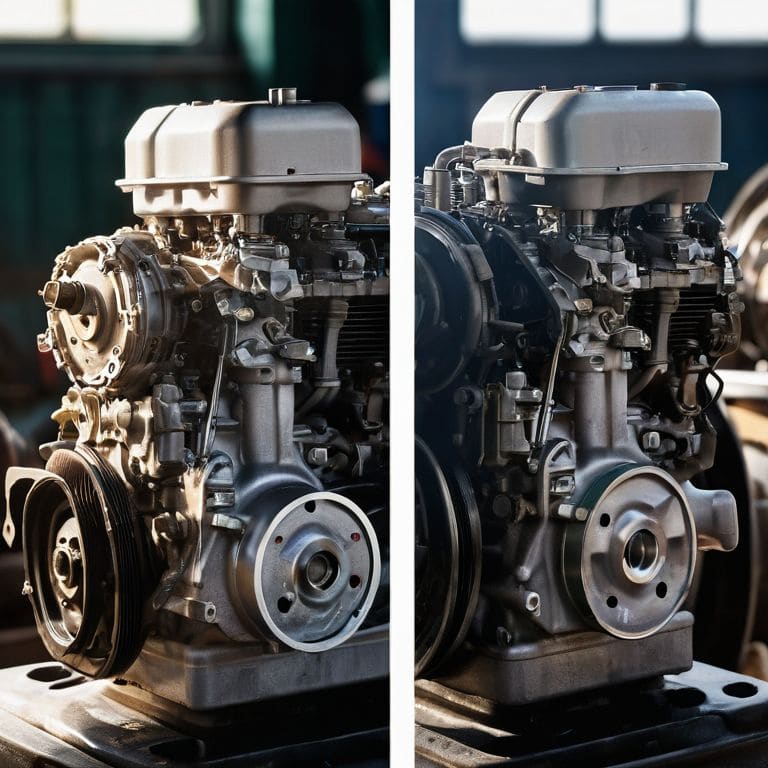
As I delve into the world of engines, I realize that unlocking engine secrets is crucial in understanding the difference between gasoline and diesel engines. This criterion matters because it reveals the intricacies of each engine type, allowing us to make informed decisions about which one suits our needs.
When it comes to unlocking engine secrets, gasoline engines rely on spark ignition, which simplifies their design and maintenance. In contrast, diesel engines utilize compression ignition, resulting in a more complex system that requires precise calibration. This difference has significant practical implications, as diesel engines tend to be more fuel-efficient, but also more challenging to repair.
In a head-to-head analysis, diesel engines seem to have an edge in terms of fuel efficiency, but their complexity can be a drawback. Gasoline engines, on the other hand, are generally easier to maintain, but may not offer the same level of efficiency. After considering these factors, I conclude that diesel engines are the winner in the category of unlocking engine secrets, due to their superior fuel economy.
Fuel for Thought: 3 Key Takeaways
As I reflect on my journey through the world of engines, I realize that understanding the differences between gasoline and diesel engines is crucial for any adventurer, whether you’re driving through the rolling hills of Tuscany or navigating the rugged terrain of the Australian outback.
The choice between a gasoline and diesel engine ultimately comes down to your specific needs and preferences, much like choosing the right lens for my nature photography – it’s all about capturing the perfect shot, or in this case, the perfect journey.
By embracing the unique characteristics of each engine type, we can unlock a deeper appreciation for the intricate dance between technology and nature, and navigate our own paths with wisdom and joy, always remembering to stay curious and keep exploring, one compass at a time.
Navigating the Roads of Difference
The difference between a gasoline and diesel engine is not just a matter of mechanics, but a reflection of the journeys we undertake – one a swift and agile sprint, the other a steady and enduring march, each with its own unique rhythm and beauty.
Lila Wanderstone
The Final Verdict: Which Should You Choose?
As I reflect on the key differences between gasoline and diesel engines, it becomes clear that each has its unique strengths and weaknesses. The efficiency of diesel engines, for instance, makes them a preferred choice for long-distance travel or heavy-duty applications. On the other hand, gasoline engines offer a more refined performance, making them suitable for everyday driving and smaller vehicles. By understanding these distinctions, we can make informed decisions about which type of engine best suits our needs and preferences.
Ultimately, the choice between a gasoline and diesel engine depends on the specific requirements of the user. For those who prioritize fuel efficiency and are willing to invest in a slightly more expensive vehicle, diesel engines are the way to go. However, for everyday drivers who value a smoother, more responsive performance, gasoline engines remain a reliable and affordable option. As a travel writer and nature photography enthusiast, I’ve had the opportunity to explore various landscapes and cultures, and I can attest that the right engine can make all the difference in enhancing your journey.
Frequently Asked Questions
What are the key factors that determine whether a gasoline or diesel engine is better suited for a particular vehicle or application?
For me, it’s all about understanding the vehicle’s purpose and the terrain it’ll conquer. Factors like power requirements, fuel efficiency, and maintenance needs are crucial in deciding between gasoline and diesel engines – it’s like choosing the right lens for my camera, you need the right tool for the job.
How do the maintenance and repair requirements differ between gasoline and diesel engines?
As I’ve navigated the globe, I’ve found that diesel engines tend to be more robust, but require more frequent filter changes, while gasoline engines are often easier to repair, but may need more tune-ups.
Can diesel engines be as environmentally friendly as gasoline engines, or are there specific technologies that make one more eco-friendly than the other?
As I’ve traveled to eco-conscious destinations, I’ve found that diesel engines can be just as environmentally friendly as gasoline ones, thanks to advancements in technology like selective catalytic reduction and particulate filters, which significantly reduce emissions.