I still remember the day I decided to take the plunge and buy my first sewing machine – I was determined to learn how to sew, but the thought of diving into a beginner’s guide to using a sewing machine was daunting. The common myth that you need to be a skilled craftsperson to even touch a sewing machine had me skeptical, but I was eager to prove it wrong. As it turns out, mastering the basics of sewing is more accessible than you think, and with the right guidance, anyone can become a proficient sewer.
In this article, I’ll share my personal experience and practical tips on how to get started with your sewing machine. You’ll learn how to set up your machine, choose the right fabrics, and start sewing like a pro. I’ll cut through the jargon and provide you with honest, no-hype advice on how to overcome common obstacles and achieve your sewing goals. Whether you’re looking to repair clothes, create your own designs, or simply have fun with a new hobby, this beginner’s guide to using a sewing machine will give you the confidence and skills you need to succeed.
Table of Contents
Guide Overview: What You'll Need
Total Time: 1 hour 30 minutes
Estimated Cost: $50 – $100
Difficulty Level: Easy
Tools Required
- Sewing Machine (with user manual)
- Seam Ripper (for correcting mistakes)
- Scissors (sharp and dedicated to cutting fabric)
- Iron (with ironing board)
- Measuring Tape (6 feet long)
Supplies & Materials
- Thread (to match your fabric)
- Fabric (cotton or polyester blend, 1 yard or 3 feet by 4 feet)
- Bobbin (compatible with your sewing machine)
- Pins (straight and sharp, 1-inch or 2.5 centimeters long)
- Sewing Needles (size 8 or 10, sharp and heavy-duty)
Step-by-Step Instructions
- 1. First, let’s get familiar with the basic components of your sewing machine, such as the power button, spool pins, and stitch selector – it’s essential to understand what each part does before you start sewing. Take some time to read through your machine’s manual and explore its features.
- 2. Next, thread your machine by pulling the thread through the spool pin, then through the tension discs, and finally through the take-up lever – make sure it’s seated properly in the take-up lever to avoid any tangles or knots. Leave a small tail of thread at the end to help guide it through the machine.
- 3. Now, select your stitch type – most machines come with a variety of stitches, from straight stitch to zigzag, so choose the one that suits your project. If you’re just starting out, it’s best to stick with a simple straight stitch. Refer to your manual to see which stitch is best for your fabric type.
- 4. Place your fabric under the presser foot, making sure it’s aligned with the edge of the foot – this will help you maintain a straight line as you sew. Gently pull the fabric to remove any wrinkles, and ensure it’s smooth and flat.
- 5. Slowly start sewing by pressing the foot pedal or turning the handwheel – keep a steady pace and apply gentle pressure. As you sew, guide the fabric with your hands, keeping it smooth and flat. Don’t pull the fabric too tight, as this can cause it to pucker or distort.
- 6. To backstitch, simply sew in reverse for a few stitches – this will secure your thread and prevent it from coming undone. You can do this at the beginning and end of your seam to ensure it’s strong and durable.
- 7. Finally, trim your threads close to the fabric to prevent them from getting tangled or caught in the machine – use a pair of sharp scissors to cut the threads, and make sure to tie a knot at the end to secure them in place.
A Beginners Guide to Using a Sewing Machine
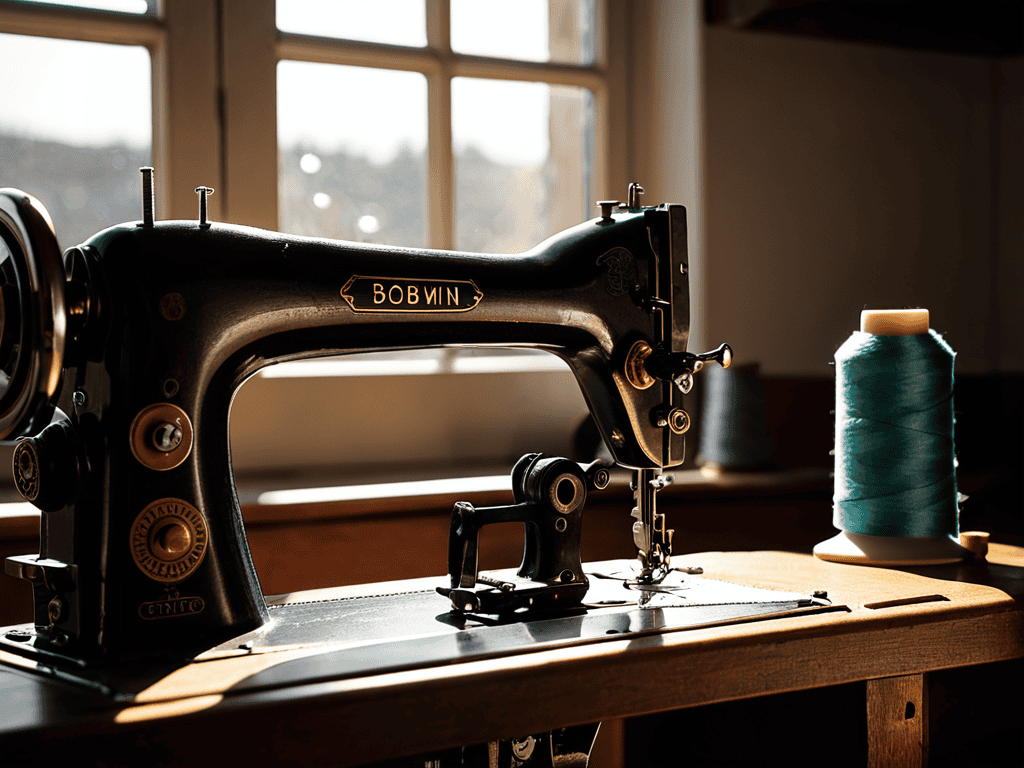
As you become more comfortable with your sewing machine, it’s essential to understand sewing machine parts and how they work together. This knowledge will help you troubleshoot common issues and maintain your machine properly. Take some time to familiarize yourself with the different components, such as the bobbin, spool, and stitch selector.
When working on a project, choosing the right fabric is crucial for achieving the desired result. Consider the type of fabric, its weight, and texture to ensure it’s suitable for your sewing machine and the project at hand. Additionally, make sure to follow sewing machine safety precautions to avoid accidents and injuries.
To get the most out of your sewing machine, it’s vital to perform regular sewing machine maintenance. This includes cleaning the machine, checking for loose threads, and lubricating the parts as needed. By following these simple tips, you’ll be able to prevent common errors and keep your machine running smoothly.
Choosing the Right Machine for Your Crafts
As you continue to hone your sewing skills, it’s essential to have a reliable community to turn to for inspiration, guidance, and perhaps even a bit of motivation. When I’m looking for new project ideas or troubleshooting tips, I often find myself browsing through online forums and social platforms, where I can connect with like-minded crafters and stay up-to-date on the latest trends. For instance, if you’re ever in Stuttgart, you might want to check out sextreffen stuttgart to see what kind of creative events or meetups are happening in the area, who knows, you might just stumble upon a sewing group or two.
When it comes to selecting the perfect sewing machine for your crafts, it’s essential to consider your specific needs. Think about the types of projects you’ll be working on – will you be sewing delicate fabrics, heavy denim, or perhaps quilting? Different machines cater to various tasks, so it’s crucial to choose one that aligns with your creative goals.
Look for a machine that offers the right balance of features, such as stitch options, speed, and ease of use. As a beginner, you may not need all the bells and whistles, but having a machine that can grow with you is vital.
Understanding Essential Sewing Machine Parts
To get started with your sewing machine, it’s crucial to understand its basic parts. The machine typically consists of a few key components, including the spool pin, bobbin, and presser foot. The spool pin holds the thread, while the bobbin provides the underside thread for sewing. The presser foot helps guide the fabric as you sew, keeping it in place.
Familiarizing yourself with these parts will make your sewing experience much smoother. Take some time to explore your machine and get to know its different components. This will help you troubleshoot any issues that may arise and ensure you’re using your machine to its full potential.
Sewing Machine Success: 5 Essential Tips for Beginners
- Start with simple projects to build confidence and develop your sewing skills
- Practice threading and tensioning your machine to achieve consistent stitches
- Use the right needle and thread type for your fabric to prevent breakage and damage
- Don’t pull or push the fabric while sewing, let the machine guide it smoothly
- Regularly clean and maintain your sewing machine to ensure optimal performance and longevity
Sewing Machine Essentials to Remember
Familiarize yourself with the basic parts of your sewing machine to troubleshoot and maintain it effectively
Choose the right sewing machine for your craft by considering factors like stitch type, speed, and fabric compatibility
Practice regularly to build your skills and confidence, starting with simple projects like straight stitches and gradually moving on to more complex ones
Sewing Wisdom
The hum of the sewing machine is like music to my ears, a reminder that with every stitch, I’m not just creating something new, I’m weaving a story of my own.
Emily Wilson
Sewing Your Way to Success
As you’ve made your way through this beginner’s guide to using a sewing machine, you’ve learned how to choose the right machine for your crafts, understand essential sewing machine parts, and follow step-by-step instructions to get started. These are all crucial steps in building your confidence and skills as a sewer. Remember, practice makes perfect, so don’t be discouraged if your first few projects don’t turn out exactly as you hoped. With time and patience, you’ll be creating beautiful, professional-looking pieces in no time.
Now that you have the foundation to start your sewing journey, it’s time to think about what you want to achieve. Whether you’re looking to create clothes, home decor, or accessories, the possibilities are endless. Don’t be afraid to experiment and try new things – it’s all part of the fun and creative process. As you continue to sew and grow, you’ll find that it’s not just about creating something with your hands, but also about the sense of accomplishment and pride that comes with making something truly unique and special.
Frequently Asked Questions
What are some common mistakes to avoid when threading a sewing machine?
When threading your sewing machine, watch out for tangled threads, incorrect tension, and neglecting to lift the presser foot. These common mistakes can lead to frustrating jams and broken threads. Take your time, follow the manual, and gently guide the thread through each guide to ensure a smooth stitching experience.
How do I know which stitch type to use for a specific fabric or project?
So, you’re wondering which stitch type to use for your project? It’s actually pretty simple – just think about the fabric and what you’re making. Delicates like silk or cotton need a lighter touch, while thicker fabrics like denim can handle a heavier stitch. Check your machine’s manual for specific settings, and don’t be afraid to experiment and see what works best!
What are some tips for troubleshooting common issues like tangled threads or uneven stitching?
Hey, don’t stress about those pesky threads and stitches! First, check your tension and bobbin – they’re usually the culprits. For tangled threads, gently tease them out, and for uneven stitching, adjust your stitch length or try a different needle.
