
As I sat in a small, rustic cafe in the mountains, surrounded by the aroma of freshly brewed coffee and the sound of gentle chatter, I found myself pondering the mysteries of the digital world. How does the internet work, anyway? It’s a question that has sparked my curiosity for years, and one that I’ve often found to be shrouded in overly complicated explanations and technical jargon. I’ve always believed that understanding the internet shouldn’t be a daunting task, and that’s why I’m on a mission to demystify the process and make it accessible to everyone.
In this article, I promise to take you on a journey to uncover the truth behind the internet’s workings, without the hype or technical overload. As someone who’s passionate about exploration and discovery, I’ll share my own experiences and insights to help you navigate the digital landscape with confidence. I’ll provide you with practical advice and real-world examples to help you grasp the fundamentals of how the internet works, and what you can do to make the most of it. Whether you’re a seasoned explorer or just starting to venture into the online world, I invite you to join me on this journey of discovery, and to learn how to harness the power of the internet to enrich your life.
Table of Contents
Unraveling Digital Mysteries
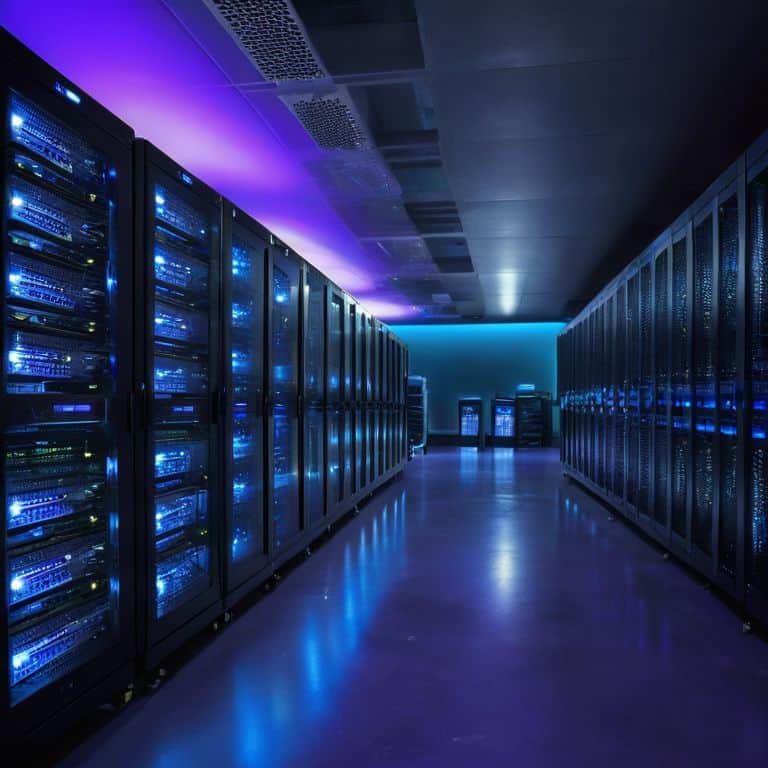
As I delved deeper into the world of digital wonders, I found myself fascinated by the internet infrastructure basics that govern our online experiences. It’s amazing to think about how something as complex as the internet can be broken down into simple, understandable components. My journey took me through the realms of TCP/IP protocol, where I discovered the crucial role it plays in facilitating communication between devices. This protocol is the backbone of the internet, allowing data to be transmitted efficiently and effectively.
My curiosity led me to explore the difference between HTTP and HTTPS, and I was surprised by the significance of this distinction. In essence, HTTPS provides an extra layer of security, ensuring that our online interactions remain private and protected. This knowledge sparked a new appreciation for the importance of domain name system, which acts as a virtual address book, directing us to our desired online destinations. As I navigated through the digital landscape, I began to understand how data packets are routed through a network of interconnected servers, ultimately reaching their intended recipients.
Through my travels and research, I’ve come to realize the vital role of internet service providers, who serve as the gatekeepers of our online access. They manage the flow of data, ensuring that we can seamlessly connect to the global network. As I sat in that Tokyo cafe, surrounded by the hustle and bustle of city life, I felt a sense of awe at the intricate web of connections that binds us all together. The internet, once a mysterious entity, had begun to reveal its secrets to me, and I was eager to continue exploring its depths.
Internet Infrastructure Basics Revealed
As I delved deeper into the world of internet mysteries, I found myself fascinated by the underlying structure that makes it all possible. The internet’s backbone is composed of a complex network of specialized computers and cables, working together in harmony to facilitate data exchange.
The physical infrastructure of the internet is a remarkable feat of modern engineering, with a vast array of servers, routers, and fiber optic cables spanning across the globe. This intricate web of connections enables data to be transmitted rapidly and efficiently, allowing us to access a wealth of information with just a few clicks.
Understanding Tcp Ip Protocol Wonders
As I delved deeper into the world of internet infrastructure, I found myself fascinated by the intricacies of data transmission. It’s amazing to think about how our messages, emails, and videos travel across the globe in a matter of seconds. At the heart of this process lies the TCP/IP protocol, a fundamental set of rules that govern how data is packaged, addressed, and delivered.
The reliability of data transfer is what makes the internet so powerful. With TCP/IP, data is broken down into small packets, each assigned a unique identifier and destination address. This ensures that even if some packets are lost or delayed, the receiving device can reassemble the original message, guaranteeing that our communications reach their intended destination intact.
How Does the Internet Work Magic
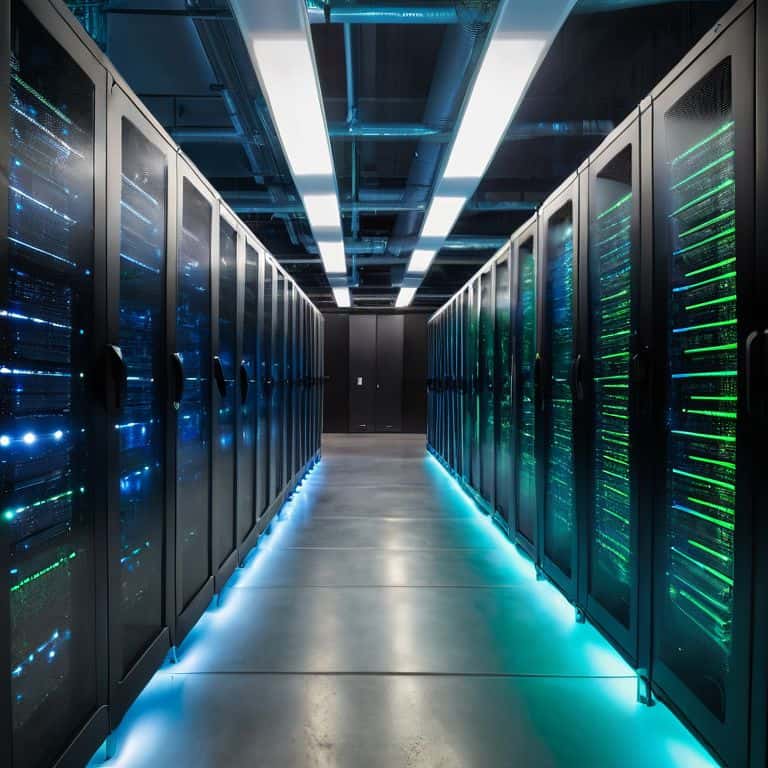
As I delved deeper into the world of internet magic, I began to appreciate the internet infrastructure basics that make it all possible. It’s fascinating to think about how data packets are routed through a complex network of servers and routers, ultimately reaching their destination. This process is made seamless by the domain name system, which translates domain names into IP addresses that computers can understand.
My curiosity got the better of me, and I started exploring the difference between http and https. It’s remarkable how a simple “s” can make all the difference in ensuring secure communication between websites and browsers. This is where understanding TCP IP protocol comes into play, as it enables devices to communicate with each other and exchange data securely.
As a travel writer, I’ve had my fair share of experiences with internet service providers in different parts of the world. It’s astonishing to see how they play a crucial role in connecting us to the global network, enabling us to access information and stay connected with loved ones. Whether I’m capturing nature’s beauty through my lens or navigating unfamiliar territories, the internet has become an indispensable companion, and understanding its inner workings has only deepened my appreciation for its magic.
Domain Name System and Data Packet Routing
As I delved deeper into the mysteries of the internet, I found myself fascinated by the domain name system, which acts as a translator between human-readable domain names and machine-readable IP addresses. This complex system allows us to access websites using easy-to-remember names instead of a string of numbers.
The journey of data packets across the internet is a remarkable process, relying on efficient routing to ensure that information reaches its destination quickly and accurately. This intricate dance of data transmission is what enables us to communicate and access information from anywhere in the world, making the internet a truly global network.
Navigating Http and Https Difference Safely
As I delve into the world of internet protocols, I find myself fascinated by the difference between http and https. It’s a distinction that may seem minor, but it holds significant importance for our online security.
When navigating online, it’s essential to understand the implications of secure browsing. This means looking out for that extra ‘s’ in https, which indicates that our data is encrypted and protected from potential threats.
Navigating the Digital Horizon: 5 Essential Tips to Understand How the Internet Works
- Start with the basics: Understand that the internet is a global network of interconnected computers, just like how my collection of compasses from around the world helps me navigate different territories
- Learn about IP addresses: They’re like the unique addresses of houses in a neighborhood, helping devices find and communicate with each other, much like how I use my camera to capture the unique essence of each place I visit
- Grasp the concept of data packets: Information is broken down into small packets, each with a destination address, and routed through the internet to reach their destination, similar to how I break down my travel experiences into captivating stories
- Appreciate the role of domain name systems (DNS): DNS acts like a phonebook, translating human-friendly domain names into IP addresses that computers can understand, making it easier for us to access websites and online resources, just as my anthropology background helps me decipher the nuances of different cultures
- Stay curious and keep exploring: The internet is a vast, ever-evolving entity, and there’s always more to learn, from the intricacies of TCP/IP protocols to the latest advancements in cybersecurity, much like how my nature photography hobby encourages me to keep discovering the beauty of our planet, one frame at a time
Key Takeaways from My Digital Odyssey
As I reflect on my journey to understand the internet, I realize that grasping the basics of internet infrastructure is crucial – it’s like having a reliable compass for navigating the digital world.
Embracing the wonders of TCP/IP protocol and HTTP/HTTPS differences is essential for safe and efficient online exploration, much like how a good map can guide you through unfamiliar territories.
Lastly, understanding how the Domain Name System and data packet routing work is akin to capturing the perfect shot in nature photography – it requires patience, knowledge, and a keen eye for detail, helping you unravel the digital tapestry with ease.
Unveiling the Internet's Essence
The internet is not just a network of computers; it’s a kaleidoscope of human connections, a testament to our innate desire to share, to discover, and to weave our stories into the digital tapestry of our global village.
Lila Wanderstone
Embracing the Digital Horizon

As I reflect on our journey through the workings of the internet, I’m reminded of the interconnectedness of our world. We’ve unraveled the mysteries of internet infrastructure, delved into the wonders of TCP/IP protocol, and navigated the difference between HTTP and HTTPS. We’ve also explored the domain name system and how data packets are routed across the globe. These concepts, once mysterious, now form a foundation for understanding the magic that happens when we click, tap, or swipe our way through the digital realm.
As we conclude this chapter in our exploration of the internet, I want to leave you with a sense of wonder and curiosity. The internet is more than just a tool; it’s a gateway to endless possibilities, a bridge that connects us across cultures, continents, and time zones. As you continue on your own journey, remember that the internet is a tapestry woven from the threads of human ingenuity, and its true magic lies in the connections it fosters, the knowledge it shares, and the dreams it inspires.
Frequently Asked Questions
What role do internet service providers play in connecting us to the global network?
As I traveled through rural villages, I saw how internet service providers act as gatekeepers, offering access to the global network through their infrastructure, enabling us to send and receive data packets, and essentially, bridging the gap between our devices and the world wide web.
How do data packets navigate through the internet to reach their destination?
As I’ve learned on my travels, data packets navigate the internet through a process called routing, where they’re directed by routers to their destination, much like I use my compass to find my way through unfamiliar landscapes.
What security measures are in place to protect our data as it travels across the internet?
As I capture the beauty of our digital world through my lens, I’ve learned that our data is protected by robust security measures like encryption, firewalls, and secure protocols, ensuring our online journeys are safe and joyful.