
As I sit in my cozy countryside cottage, surrounded by the musty scent of old books, I find myself pondering the age-old question: can Apple’s HomeKit truly hold a candle to the likes of Google Home and Amazon’s Alexa in the grand tale of smart home supremacy? The dilemma of choosing between these three giants has become a common conundrum for many, including myself. With the rise of smart home technology, the market has become flooded with options, making it increasingly difficult to decide which system to invest in. The comparison of apple homekit vs google home vs amazon alexa has become a hot topic, with each side having its own set of loyal followers.
In this article, I promise to provide you with a no-nonsense guide to navigating the world of smart home systems. I’ll be sharing my own hands-on experience with each of these systems, highlighting their strengths and weaknesses, and helping you make an informed decision that suits your needs. My goal is to cut through the hype and provide you with honest, unbiased advice, so you can make the best choice for your smart home journey. Whether you’re a tech enthusiast or just looking to upgrade your home, I’ll provide you with the insights you need to make a decision that’s right for you.
Table of Contents
Apple HomeKit
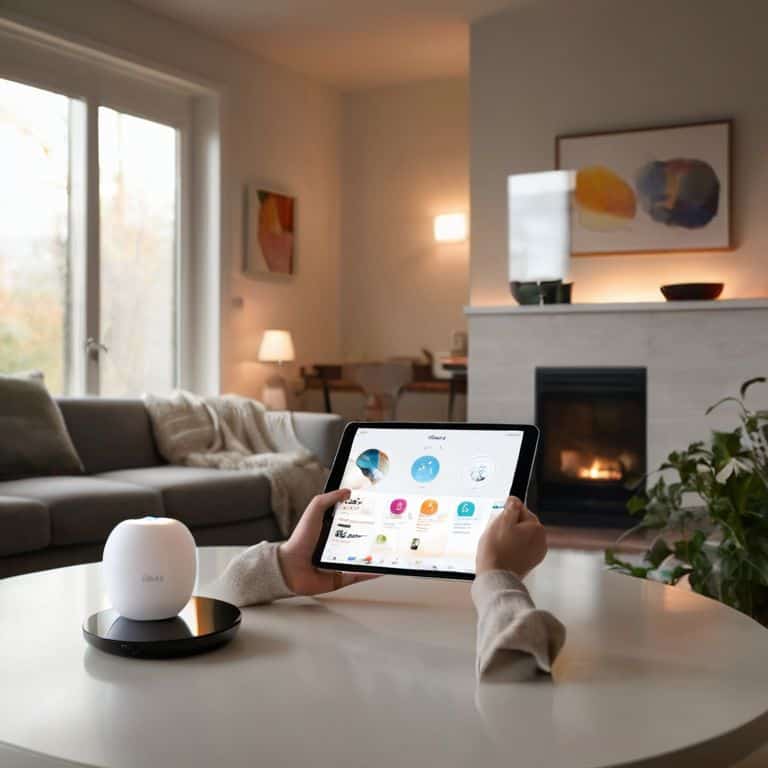
Apple HomeKit is a smart home system designed by Apple, allowing users to control and automate various home devices through a single interface, with its core mechanism relying on a hub-and-spoke model that connects devices via a central hub, and its main selling point being seamless integration with other Apple devices. This integration enables users to control their smart home devices using Siri or the Home app, making it a convenient option for those already invested in the Apple ecosystem. The Apple HomeKit system supports a wide range of devices, from lights and thermostats to security cameras and door locks.
As someone who values a cohesive user experience, I appreciate how Apple HomeKit streamlines the process of managing multiple smart devices. For instance, I can use Siri to adjust the lighting in my living room or lock the front door with a simple voice command, making it feel like I’m living in a futuristic novel. This kind of smart home automation not only enhances the convenience of daily life but also adds a touch of magic to mundane tasks, making it a compelling choice for those seeking to elevate their home environment.
Google Home
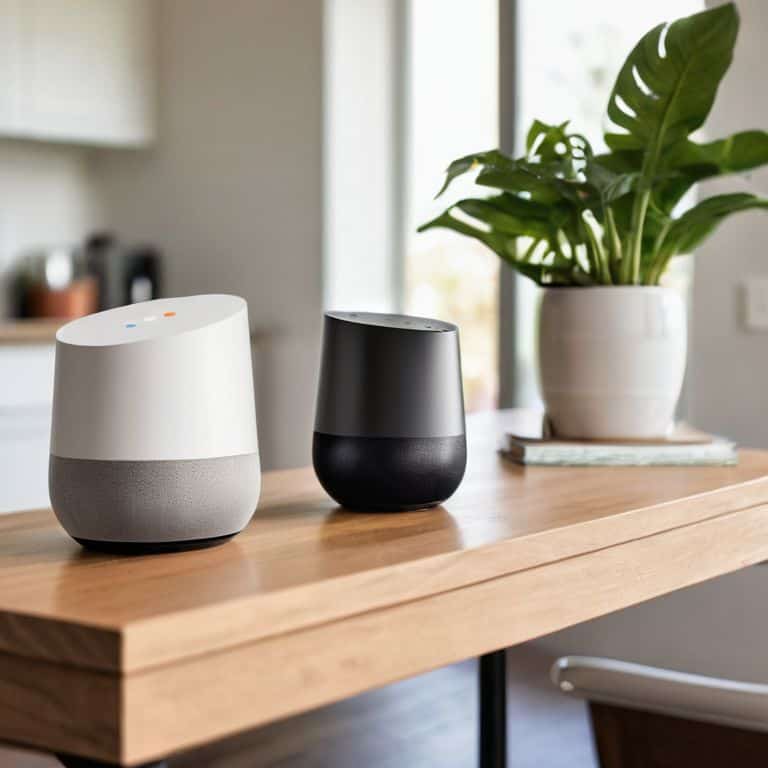
Google Home is a smart speaker system developed by Google, which uses natural language processing to understand voice commands and control various smart devices, with its main objective being to provide hands-free assistance and make it easy to manage daily routines. Google Home’s core mechanism involves using Google Assistant to interpret voice commands and perform tasks, such as playing music, setting reminders, or controlling smart home devices. This system is designed to be highly versatile, supporting a wide range of devices and services.
As a book lover, I enjoy how Google Home allows me to access a vast library of audio content, from podcasts to audiobooks, with just a voice command. For example, I can ask Google Assistant to play a podcast while I’m working on my latest review, or set a reminder to pick up a new book release, making it an indispensable tool for my daily routine. This kind of convenience and accessibility is what makes Google Home an attractive option for those seeking to enhance their home experience with intelligent assistance.
Smart Home Hub Comparison
| Feature | Apple HomeKit | Google Home | Amazon Alexa |
|---|---|---|---|
| Price | Variable | $129-$199 | $69-$149 |
| Key Feature | Seamless iOS integration | Google Assistant AI | Smart home device compatibility |
| Best For | Apple device users | Android users and Google services | Smart home automation and skills |
| Compatibility | iOS, macOS, watchOS | Android, iOS | Android, iOS, Fire OS |
| Voice Assistant | Siri | Google Assistant | Alexa |
| Security | End-to-end encryption | Google's security framework | Amazon's security protocol |
| Device Limit | No limit | No limit | No limit |
Tales of Smart Homes

As I sit amidst the whispering pages of my book-filled cottage, I ponder the narrative of smart homes, where technology weaves a tale of convenience and innovation. The criterion of “Tales of Smart Homes” matters because it reveals how Apple HomeKit, Google Home, and Amazon Alexa integrate into our daily lives, shaping the very fabric of our domestic experiences.
In a head-to-head analysis, Apple HomeKit presents a seamless integration with Apple devices, allowing for a unified ecosystem that simplifies smart home management. Google Home, on the other hand, excels at voice recognition, enabling a more natural interaction with smart devices. Amazon Alexa falls somewhere in between, offering a wide range of skills that cater to diverse user needs.
When comparing the practical implications of these systems, it becomes clear that Apple HomeKit offers a more intuitive experience, while Google Home provides greater flexibility. However, in the context of “Tales of Smart Homes,” I declare Apple HomeKit the winner for this category, as its cohesive narrative of smart home automation resonates more deeply with users seeking a streamlined experience.
Three Key Takeaways from the Smart Home Showdown
In the end, Apple’s HomeKit, Google Home, and Amazon Alexa each bring their unique strengths to the table, making the choice between them a delicate dance of priorities and preferences
Ultimately, the tale of these three smart home systems is one of trade-offs: seamless integration, voice assistant prowess, and privacy concerns all vie for attention in the quest for the perfect smart home experience
Whether you’re a fan of Siri’s subtle charm, Google Assistant’s knowledgeable depth, or Alexa’s skillful adaptability, one thing is clear: the future of smart homes is a story still being written, with each of these systems playing a significant role in shaping the narrative
A Glimpse into the Future of Smart Homes
As we weave a tapestry of interconnected lives, the true test of Apple HomeKit, Google Home, and Amazon Alexa lies not in their individual brilliance, but in their ability to harmonize the discordant notes of our daily routines into a symphony of seamless living.
Oliver Quill
The Final Verdict: Which Should You Choose?
As I reflect on the tales of smart homes, it’s clear that each system – Apple HomeKit, Google Home, and Amazon Alexa – has its unique strengths and weaknesses. The seamless integration with existing devices is a major factor, and Apple’s ecosystem excels in this regard, making it a top choice for those already invested in the Apple universe. However, Google Home’s advanced AI capabilities and Amazon Alexa’s vast compatibility with third-party devices are not to be underestimated, offering a more open and adaptable experience for users who value flexibility.
Ultimately, the overall winner depends on the type of user you are. For those deeply embedded in the Apple ecosystem and valuing security and ease of use, Apple HomeKit is the way to go. On the other hand, users who prefer a more customizable experience and don’t mind diving into settings will find Google Home or Amazon Alexa more suited to their needs, with Google Home being ideal for those who want Cutting-edge AI features and Amazon Alexa for those seeking wide device compatibility.
Frequently Asked Questions
What are the key differences in compatibility between Apple HomeKit, Google Home, and Amazon Alexa when it comes to integrating various smart devices?
As I delve into the world of smart homes, I’ve found that compatibility is a crucial factor. Apple HomeKit is notoriously stringent, only pairing with approved devices, whereas Google Home and Amazon Alexa boast more expansive compatibility lists, seamlessly integrating with a wide range of smart devices, from thermostats to security cameras.
How do the voice assistants of Apple HomeKit, Google Home, and Amazon Alexa compare in terms of understanding and executing commands?
As I tapped away on my vintage typewriter, I pondered the voice assistants’ prowess. Apple’s Siri, Google’s Assistant, and Amazon’s Alexa each boast impressive command recognition, but Alexa’s sheer breadth of compatible devices gives it a slight edge in executing complex tasks, while Google’s Assistant excels at understanding nuanced queries.
Which of the three smart home systems, Apple HomeKit, Google Home, or Amazon Alexa, offers the most robust security features to protect user data and prevent unauthorized access?
As I pondered the security conundrums of our digital age, I found that Apple’s HomeKit emerges as a stalwart guardian of user data, its robust end-to-end encryption and stringent authentication protocols offering a formidable defense against unauthorized access, though Google Home and Amazon Alexa also boast impressive security credentials, each with their unique strengths and vulnerabilities.