
As I sit amidst my lush urban garden, surrounded by the vibrant greens and colors of nature, I’m reminded of the power of gratitude. I’ve often heard people say that practicing gratitude is about writing down three things you’re thankful for each day, but I believe that’s just the tip of the iceberg. A true guide to the practice of gratitude is about cultivating a mindset that seeks out the beauty in everyday moments, no matter how small they may seem. It’s about embracing the simplicity of life and finding joy in the ordinary.
In this article, I invite you to join me on a journey to discover the practical ways to incorporate gratitude into your daily life. We’ll explore simple yet effective techniques to help you shift your focus towards the positive aspects of your life, and I’ll share personal anecdotes and stories of how gratitude has transformed my own life. From mindful moments in nature to intentional habits that foster a sense of thankfulness, we’ll dive into the nitty-gritty of making gratitude a sustainable part of your lifestyle. By the end of this guide, you’ll have a clearer understanding of how to make gratitude a meaningful and lasting part of your daily routine.
Table of Contents
Guide Overview: What You'll Need
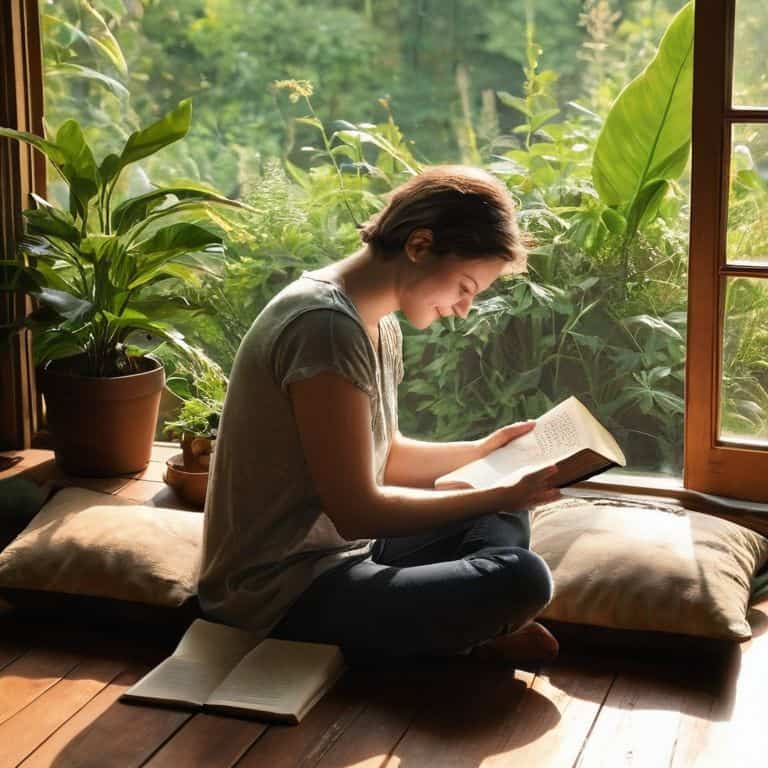
Total Time: 30 minutes daily
Estimated Cost: $0 – $10
Difficulty Level: Easy
Tools Required
- Journal (dedicated to gratitude practice)
- Pen (for writing)
- Smartphone (for reminders and apps)
- Calendar (for scheduling)
Supplies & Materials
- Gratitude Jar (optional)
- Stickers or Colored Pens (for decoration or highlighting)
- Guided Meditation App (optional)
- Comfortable Seating (for reflection)
- Peaceful Environment (for mindfulness)
Step-by-Step Instructions
- 1. First, let’s start by creating a gratitude journal – a dedicated space where you can record your thoughts, feelings, and reflections on a daily basis. This can be a physical notebook, like the one I always carry with me, or a digital note-taking app on your phone. The key is to make it easily accessible and convenient to use, so you can jot down your thoughts whenever inspiration strikes.
- 2. Next, commit to a regular gratitude practice by setting aside a specific time each day to reflect on the things you’re thankful for. This could be first thing in the morning, before bed, or during your daily commute – whichever time works best for your schedule and lifestyle. Try to make it a consistent habit, so it becomes an integral part of your daily routine.
- 3. Now, let’s talk about how to actually practice gratitude. Start by writing down three things you’re grateful for each day. These can be big or small things – a good cup of coffee, a beautiful sunset, or a supportive friend. The goal is to focus on the positive aspects of your life and acknowledge the good things that often go unnoticed.
- 4. As you continue your gratitude practice, try to dig deeper and explore the reasons behind your gratitude. For example, if you’re thankful for a good cup of coffee, consider the people involved in making it possible – the farmers who grew the beans, the barista who brewed it, and the friend who shared it with you. This helps to cultivate empathy and appreciation for the intricate web of relationships and experiences that make up our lives.
- 5. Another powerful way to practice gratitude is through sensory exploration. Take a few minutes each day to focus on your senses – notice the sights, sounds, smells, tastes, and textures around you. For example, pay attention to the sound of birds chirping, the smell of fresh flowers, or the feeling of warm sunlight on your skin. This helps to ground you in the present moment and appreciate the beauty that surrounds you.
- 6. To take your gratitude practice to the next level, try sharing your gratitude with others. This could be as simple as writing a thank-you note, giving a genuine compliment, or expressing appreciation to a loved one. Sharing your gratitude not only strengthens relationships but also creates a ripple effect of positivity that can inspire others to do the same.
- 7. Finally, don’t be too hard on yourself if you miss a day or two – gratitude is a journey, not a destination. The key is to be gentle and compassionate with yourself as you develop this new habit. Remember that it’s okay to start small and build up gradually, and don’t be afraid to experiment with different approaches until you find what works best for you. With time and practice, you’ll find that gratitude becomes a natural part of your daily life, and you’ll be amazed at the positive impact it can have on your well-being and relationships.
A Guide to Gratitude
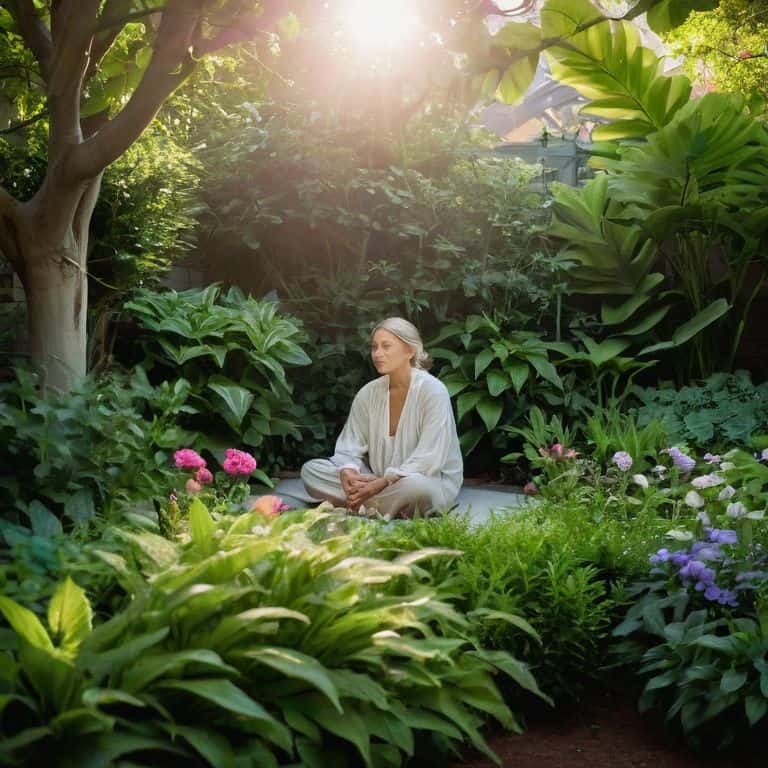
As I sit in my urban garden, surrounded by the vibrant greens and colors of nature, I’m reminded of the importance of gratitude in mental wellness. It’s amazing how something as simple as taking a few minutes each day to reflect on the things we’re thankful for can have a profound impact on our overall well-being. Gratitude meditation techniques can be a powerful tool in this journey, helping us to quiet the mind and focus on the present moment.
In my experience, one of the most significant benefits of gratitude is the way it can strengthen relationships. When we take the time to express our appreciation for others, it can deepen our connections and foster a sense of community. This is why I often recommend incorporating daily gratitude prompts for journaling into your routine, as a way to reflect on the people and experiences that bring joy to your life.
By cultivating gratitude in daily life, we can begin to shift our perspective and focus on the positive aspects of our experiences. This can be especially helpful for those struggling with anxiety, as gratitude practices for anxiety relief can provide a sense of calm and clarity. Whether it’s through meditation, journaling, or simply taking a moment to appreciate the beauty around us, I encourage you to explore the many ways that gratitude can enrich your life.
Cultivating Calm With Gratitude Meditation
As I sit in my urban garden, surrounded by the gentle hum of city life, I find solace in gratitude meditation. This practice has become a cornerstone of my daily routine, allowing me to cultivate calm and clarity amidst the chaos. By focusing on the things I’m thankful for, I’m able to quiet my mind and connect with the present moment. I’ve found that even just a few minutes of gratitude meditation each day can have a profound impact on my overall well-being.
I encourage you to try it for yourself – find a quiet spot, either in nature or in your own little oasis, and take a few deep breaths. Reflect on the things that bring you joy and gratitude, no matter how small they may seem. As you do, feel the calm and peace that arises, and know that you’re nurturing your mind, body, and spirit.
Sowing Seeds of Joy Daily
As I tend to my urban garden, I’m reminded that gratitude is like nurturing a delicate flower – it requires daily attention to bloom. For me, sowing seeds of joy starts with a morning ritual: jotting down three things I’m thankful for in my notebook. It might be the warmth of the sun, a good cup of coffee, or a beautiful sunrise – whatever it is, it sets the tone for a day filled with appreciation.
I encourage you to find your own daily ritual, whether it’s writing in a journal, sharing gratitude with a friend, or simply taking a moment to breathe in the beauty around you. By doing so, you’ll begin to notice the small joys that often go unnoticed, and your heart will be filled with a sense of wonder and thankfulness.
Nurturing a Heart of Gratitude: 5 Essential Tips
- Start a gratitude journal to record daily reflections, no matter how small they may seem, as a reminder of life’s simple joys
- Practice mindfulness through gratitude meditation, focusing on the present moment and the abundance that surrounds you
- Incorporate gratitude into your daily conversations, sharing appreciation for others and the positive impact they have on your life
- Create a gratitude ritual, such as writing thank-you notes or sharing gratitude at mealtimes, to cultivate a sense of community and connection
- Make gratitude a sensory experience by engaging your senses – whether through nature, art, or music – to deepen your appreciation for the world around you
Nurturing a Grateful Heart: 3 Essential Takeaways
As we journey through the practice of gratitude, remember that it’s the small, consistent moments that add up to make a significant difference – like tending to an urban garden, one seed at a time.
Gratitude meditation is a powerful tool to calm the mind and focus on the present, allowing us to reconnect with nature and ourselves, even in the midst of a bustling city.
By incorporating gratitude into our daily lives, whether through journaling, meditation, or simply sharing appreciation with others, we cultivate a deeper sense of balance and fulfillment, nurturing our own unique garden of life.
Nurturing Gratitude
As we tend to the garden of our lives, gratitude is the gentle rain that nourishes every petal of experience, allowing us to bloom into our fullest, most vibrant selves.
Eli Woods
Embracing the Power of Gratitude
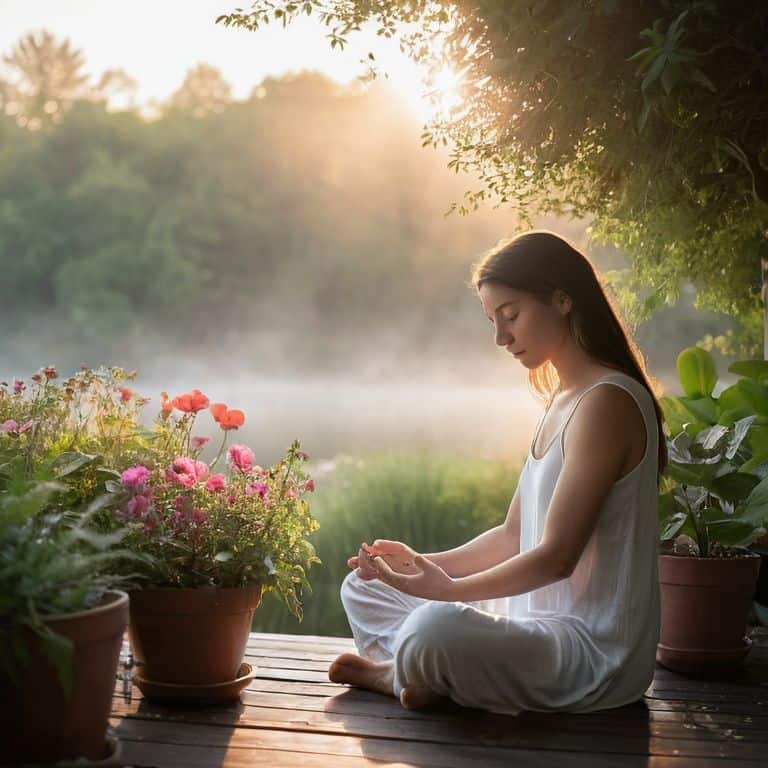
As we conclude this journey through the practice of gratitude, let’s take a moment to reflect on the key takeaways we’ve discovered along the way. From sowing seeds of joy in our daily lives to cultivating calm through meditation, we’ve explored the many ways in which gratitude can transform our outlook and improve our well-being. By incorporating these simple yet powerful practices into our routine, we can begin to shift our perspective and appreciate the beauty in the world around us.
So as you close this guide and embark on your own path of gratitude, remember that it’s a journey, not a destination. Every moment is an opportunity to choose gratitude, to find the lesson, the beauty, or the joy in any given situation. May you walk in the light of gratitude, and may it illuminate your way, guiding you towards a more fulfilling and balanced life.
Frequently Asked Questions
How can I incorporate gratitude into my daily routine without feeling like it's just another task to check off?
For me, it’s about weaving gratitude into everyday moments, like right after my morning coffee or during my urban gardening breaks. I jot down three things I’m thankful for in my notebook – it can be as simple as a good cup of coffee or a beautiful sunset. This way, gratitude feels like a natural breath, not a chore.
What if I'm having a difficult time thinking of things to be grateful for – are there any prompts or exercises that can help?
Don’t worry, friend – we all have those days. When I’m stuck, I jot down simple things like a good cup of coffee, a beautiful sunset, or a supportive friend. You can also try reflecting on your senses: what do you see, hear, or smell that brings you joy? Write it down in my trusty notebook, and watch your gratitude list grow.
Can practicing gratitude really have a significant impact on my mental health and wellbeing, or is it just a subtle effect?
I’ve seen firsthand how gratitude can be a game-changer for mental health and wellbeing. It’s not just a subtle effect – practicing gratitude can have a profound impact, helping to reduce stress and anxiety while increasing feelings of joy and calm. By incorporating gratitude into your daily routine, you can start to notice significant shifts in your overall mindset and outlook.