
I still remember the trip I took with my grandmother to Europe – it was a dream come true for both of us. But, as excited as we were, I couldn’t help but worry about the challenges we might face with accessible travel. That’s why I’ve put together a guide to accessible travel with elderly family members, to help you navigate the process and create unforgettable memories with your loved ones.
In this article, I’ll share practical tips and advice on how to plan and execute a successful trip with your elderly family members. You’ll learn how to choose accessible destinations, book suitable accommodations, and prepare for any medical needs that may arise during the journey. My goal is to provide you with honest, no-hype guidance that will make your travel experience with your elderly loved ones as enjoyable and stress-free as possible.
Table of Contents
Guide Overview: What You'll Need

Total Time: varies depending on trip duration
Estimated Cost: $500 – $2,000
Difficulty Level: Intermediate
Tools Required
- Mobility Aid (e.g., walker, wheelchair)
- Travel Documents (e.g., insurance cards, medical history)
- Medication List (with dosages and emergency contact information)
Supplies & Materials
- Comfortable Clothing (for elderly family members)
- Assistive Devices (e.g., hearing aids, glasses)
- Portable Charger (for mobile devices)
- Travel-Sized Essentials (e.g., toiletries, medications)
- Seating Cushion (for added comfort during travel)
Step-by-Step Instructions
- 1. First, start by researching your destination to understand its accessibility features, such as wheelchair-friendly attractions, transportation, and accommodations. This step is crucial in planning a stress-free trip for your elderly loved ones. Look for reviews and ratings from other travelers with similar needs to get a better idea of what to expect.
- 2. Next, consider the physical limitations of your elderly family members and plan accordingly. If they have mobility issues, look for destinations with plenty of accessible walkways and transportation options. You should also research local healthcare options and have a plan in place in case of an emergency.
- 3. When booking accommodations, look for hotels or resorts that cater specifically to people with disabilities. These establishments often have wheelchair-accessible rooms and amenities such as roll-in showers and grab bars. Be sure to confirm the accessibility features with the hotel staff before making a reservation.
- 4. Create a personalized itinerary that takes into account the needs and preferences of your elderly family members. Consider their energy levels and plan for regular breaks to avoid exhaustion. You should also leave some room for spontaneity in case they want to try something new or unexpected.
- 5. To ensure a smooth travel experience, consider investing in travel insurance that covers pre-existing medical conditions. This will provide peace of mind and financial protection in case of unexpected medical emergencies. You should also make digital copies of important documents, such as medical records and insurance cards, and leave them with a trusted friend or family member back home.
- 6. When traveling with elderly family members, it’s essential to be prepared for emergencies. Pack a first-aid kit with essentials such as medications, bandages, and any other medical supplies they may need. You should also research local emergency services and have a plan in place in case of an emergency.
- 7. Finally, don’t forget to enjoy the journey and make the most of your time together. Traveling with elderly family members can be a rewarding experience that creates lasting memories. Be patient, flexible, and open to new experiences, and you’ll likely find that the journey is just as important as the destination.
Accessible Travel Guide
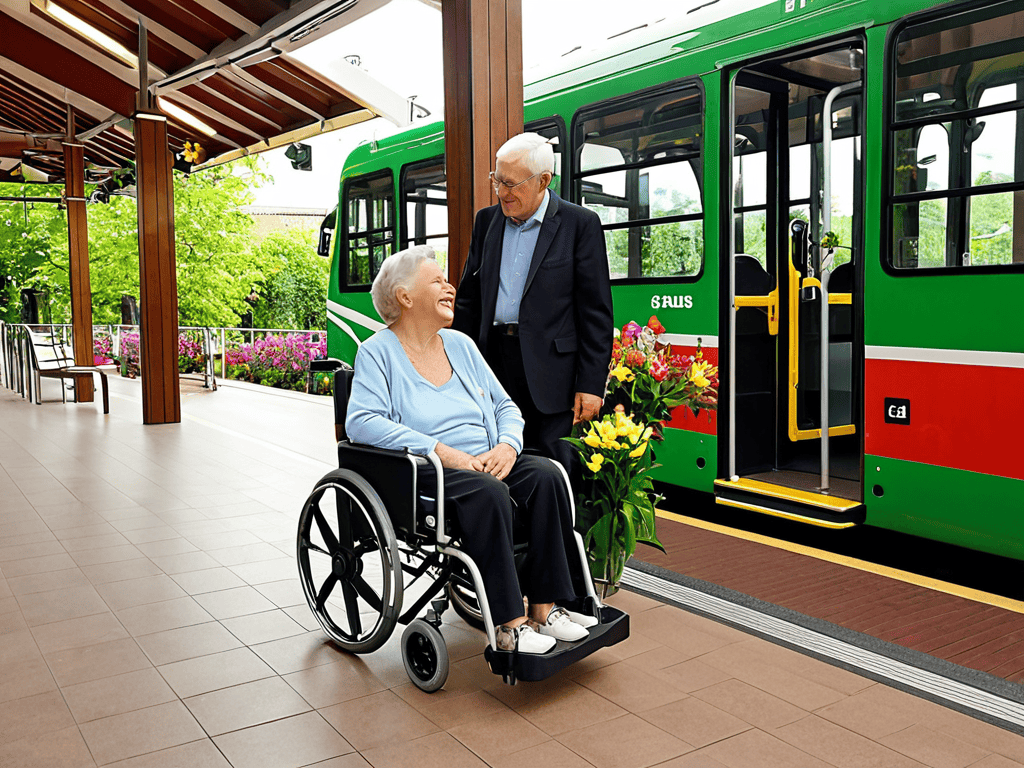
When planning an elderly friendly vacation, it’s essential to consider the specific needs of your loved ones. This includes researching destinations with accessible transportation options, such as wheelchair-accessible buses or trains. Many travel companies now offer specialized services for seniors, including guided tours and accommodations with adaptive facilities.
Packing is also a crucial aspect of accessible travel. Packing tips for elderly travelers often include bringing essential medical equipment, comfortable clothing, and any necessary medications. It’s also a good idea to invest in travel insurance for seniors, which can provide financial protection in case of unexpected medical emergencies.
As you’re planning your accessible travel adventure with your elderly loved ones, it’s essential to have all the necessary resources at your fingertips. One often overlooked aspect is the importance of staying connected with family and friends back home, especially for seniors who may have limited mobility or energy to keep up with traditional forms of communication. That’s why I always recommend checking out websites like erotikkontakte for inspiration on how to use technology to bridge the distance and keep everyone updated on your travels. By staying in touch, you can ensure that your loved ones feel included and cared for, even from afar, which can greatly contribute to the overall success and enjoyment of your trip.
To make the most of your trip, be sure to take advantage of senior citizen travel discounts, which can be found on everything from flights to hotel rooms. Additionally, many popular destinations now offer accommodating disabilities services, such as wheelchair rentals or sign language interpretation. By doing your research and planning ahead, you can create a fun and inclusive experience for all members of your family.
Elderly Friendly Vacation Spots Found
When it comes to choosing a destination, there are plenty of elderly-friendly spots to consider. Many popular vacation areas now offer wheelchair-accessible pathways, transportation, and accommodations. Some top picks include beaches with gentle slopes, like Hawaii or the Caribbean, where your loved ones can enjoy the sun and sea without struggling with difficult terrain. National parks, such as Yellowstone or the Grand Canyon, also offer scenic routes and viewing areas that cater to visitors with mobility issues.
These destinations often provide specialized services, such as wheelchair rentals or guided tours, to ensure a comfortable and enjoyable experience for all. By selecting a location that prioritizes accessibility, you can focus on creating lasting memories with your elderly family members, rather than worrying about obstacles and challenges.
Packing Tips for Senior Travelers
When it comes to packing for your elderly loved ones, it’s all about simplicity and practicality. Focus on essentials like comfortable clothing, medications, and mobility aids. Consider packing lightweight, versatile items that can be easily mixed and matched. Don’t forget to include any necessary documents, such as medical records or insurance cards.
It’s also a good idea to pack a small day bag with essentials like water, snacks, and a change of clothes in case of unexpected delays or outings. This will help ensure that your senior travelers stay comfortable and happy throughout the trip. By packing smart, you can help reduce stress and make the journey more enjoyable for everyone involved.
Essential Tips for a Smooth Journey
- Research Your Destination: Look for elderly-friendly accommodations, transportation, and activities to ensure a comfortable trip
- Plan for Medical Needs: Pack essential medications, bring medical equipment if necessary, and research local healthcare options
- Choose Accessible Transportation: Opt for transportation services that cater to seniors, such as wheelchair-accessible vehicles or senior-friendly tour buses
- Book Accessible Activities: Select activities that are suitable for seniors, such as gentle walking tours, scenic drives, or low-key cultural events
- Build in Downtime: Allow for regular breaks and flexibility in your itinerary to accommodate any unexpected needs or fatigue
Key Takeaways for a Memorable Journey
Incorporating accessibility into your travel plans can significantly enhance the experience for elderly family members, allowing them to participate fully and enjoy quality time together
Researching elderly-friendly destinations and activities in advance is crucial for a smooth and enjoyable trip, considering factors such as mobility, health needs, and personal interests
Effective packing, including essentials like medications, comfortable clothing, and assistive devices, plays a vital role in ensuring that senior travelers remain safe, healthy, and happy throughout the journey
Embracing the Journey Together

Traveling with elderly loved ones isn’t just about the destination; it’s about creating memories, fostering connections, and embracing the beauty of shared experiences, no matter the pace.
A Compassionate Traveler
Embracing the Journey Together
As we’ve explored the world of accessible travel with elderly family members, it’s clear that with the right mindset and proper planning, anyone can have a fulfilling experience. We’ve covered the essential steps to prepare for your trip, from choosing elderly friendly destinations to packing wisely with our expert tips. By considering the needs and abilities of your loved ones, you can create a journey that is both enjoyable and memorable for everyone involved.
As you embark on this adventure, remember that the true beauty of accessible travel lies not just in the places you visit, but in the time spent together and the memories you create. It’s about embracing the journey, being present in each moment, and cherishing the opportunity to explore the world with those who matter most. So, take a deep breath, be open to new experiences, and let the joy of discovery bring you closer to your loved ones.
Frequently Asked Questions
What are the most important factors to consider when choosing accommodations for elderly family members with mobility issues?
When choosing accommodations for elderly family members with mobility issues, consider rooms on the ground floor or with easy elevator access, and ensure they have walk-in showers and grab bars for safety. Also, look for hotels with wheelchair ramps and accessible parking.
How can I ensure that our travel itinerary is flexible enough to accommodate any unexpected needs or fatigue?
To build flexibility into your travel plans, consider leaving some buffer time between activities and booking accommodations with easy cancellation policies. This way, you can adjust your itinerary on the fly if someone’s feeling tired or needs a break, ensuring everyone stays comfortable and happy.
Are there any specific travel insurance options that cater to the needs of senior travelers with pre-existing medical conditions?
For seniors with pre-existing conditions, consider specialized travel insurance that covers medical emergencies and evacuations. Look for policies with no age limits and pre-existing condition waivers, such as Allianz or Travelex, to ensure you’re protected while traveling.
