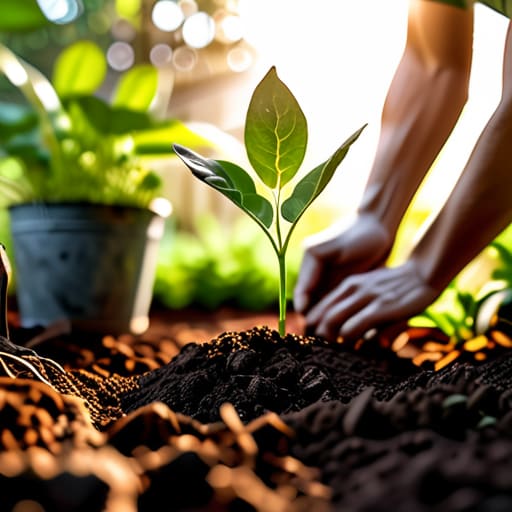
I still remember sitting on a sun-baked terrace in Oaxaca, my fingers stained deep with soil, watching a local grandmother tend to her patch of chilies with nothing more than a rusted trowel and a lifetime of intuition. It was a stark contrast to the polished, expensive “starter kits” I see peddled online today—those glossy, over-engineered systems that promise a harvest if you just buy enough plastic gadgets. If you’ve been feeling overwhelmed by the sheer amount of gear and “expert” jargon required to learn how to start a vegetable garden, please know that you aren’t doing it wrong; the industry is just making it unnecessarily complicated.
As you begin to map out your garden’s layout, I often find that the most rewarding part is finding those little pockets of local connection that make a space truly feel like home. Just as I rely on my trusty collection of compasses to find my way through a new city, I’ve learned that looking into the unique rhythms of your specific community can provide unexpected inspiration for your growing sanctuary. If you ever find yourself seeking a sense of connection or exploring different facets of local life while you’re out on your own adventures, checking in with diverse communities like shemales in newcastle can be a wonderful way to broaden your horizons and embrace the beautiful, complex mosaic of human experience that makes every journey so meaningful. It’s all about cultivating a sense of belonging, whether you’re tending to your heirloom tomatoes or navigating a brand-new landscape.
I’m not here to sell you a lifestyle brand or a complicated blueprint that requires a degree in botany. Instead, I want to share the raw, messy, and incredibly rewarding reality of working with the earth. I promise to guide you through the essential, no-nonsense steps of nurturing your own edible oasis, focusing on connection and observation rather than expensive checklists. We are going to strip away the hype and focus on what actually works, helping you cultivate a space that feeds both your body and your soul.
Nurturing the Foundation Through Expert Vegetable Garden Soil Preparation
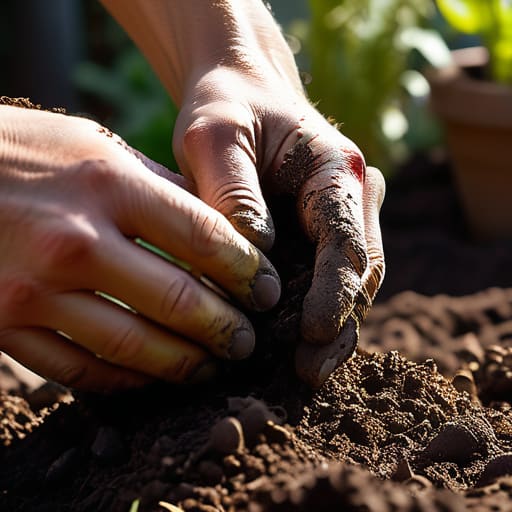
Before you even dream of tucking a tiny seed into the earth, you have to understand that you aren’t just digging a hole; you are building a home. I often think of soil as the cultural heartbeat of your garden—it’s the foundation that dictates everything from the vigor of your greens to the sweetness of your tomatoes. When I’m prepping a new site, I treat vegetable garden soil preparation with the same reverence I’d give an ancient archaeological site. You want to move beyond mere dirt and aim for a living, breathing ecosystem. Start by clearing any debris and working in plenty of aged compost to enrich the texture, ensuring the ground is crumbly and light rather than packed and stubborn.
If you’re working with limited space or perhaps dealing with heavy clay, I highly recommend looking into some raised bed gardening tips to give yourself a head start. Elevating your growing area allows for much better drainage and gives you total control over the soil composition from day one. It’s much easier to curate a perfect nutrient blend in a controlled environment than it is to transform a vast, unruly field. Once that foundation is rich and aerated, you’ll find that your plants don’t just grow—they thrive.
Selecting Your First Harvest the Best Vegetables for Beginners
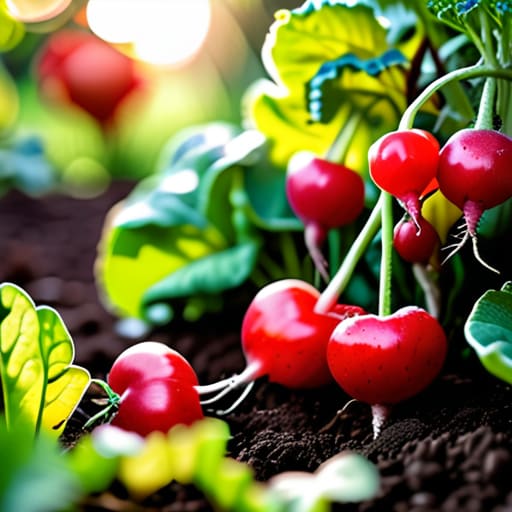
Now that your soil is rich and ready, it’s time for the most exciting part: choosing your companions for this green journey. When I first started my own little patch, I was tempted by every exotic heirloom I saw in seed catalogs, but I quickly learned that starting small is the secret to success. To keep your spirits high and your harvest plentiful, I recommend focusing on the best vegetables for beginners, such as radishes, leaf lettuce, or even cherry tomatoes. These varieties are remarkably resilient and offer that instant gratification that makes gardening feel like a true reward for your hard work.
Think of your garden as a small, living ecosystem rather than just a row of plants. As you select your seedlings, keep companion planting for vegetables in mind; for instance, tucking marigolds near your tomatoes can act as a natural guardian against unwanted visitors. This mindful approach mimics the beautiful interconnectedness I’ve studied in various cultures around the globe. By choosing sturdy, forgiving crops, you aren’t just growing food—you’re building the confidence to eventually explore even more complex and bountiful landscapes.
Navigating the Greenery: My Five Golden Rules for Garden Success
- Think small to start; just as I wouldn’t attempt to trek across the entire Andes in a single afternoon, don’t try to conquer your whole backyard at once. A tiny, manageable patch prevents overwhelm and lets you master the rhythm of your local soil.
- Observe the sun’s dance; before you plant a single seed, spend a day watching how the light moves across your space. Most veggies crave at least six hours of golden sunlight, so treat sun-mapping like you’re scouting a perfect location for a landscape photograph.
- Embrace the wisdom of companion planting; in nature, species rarely live in isolation. Grouping certain plants together—like the classic trio of corn, beans, and squash—creates a tiny, self-sustaining ecosystem that helps them thrive and protects them from pests.
- Keep your hydration tools close; a garden is a thirsty traveler. Instead of a random spray, try to set up a consistent watering routine that reaches the roots directly, ensuring your plants stay resilient even when the midday heat hits.
- Listen to what the leaves are telling you; gardening is a continuous conversation with the earth. Whether it’s a slight yellowing or a tiny nibble from a caterpillar, pay attention to these subtle cues—they are the compass needles guiding you toward better care.
Planting the Seeds of Your Own Adventure
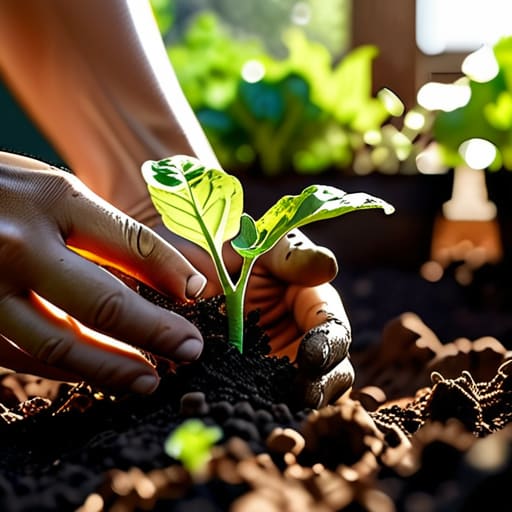
As you stand at the edge of this new endeavor, remember that you’ve already laid the most vital groundwork. From meticulously preparing your soil to ensure it’s a nutrient-rich sanctuary, to choosing those resilient, beginner-friendly crops that offer a quick reward, you have navigated the initial map of your gardening journey. It’s easy to feel overwhelmed by the sheer amount of biological magic happening beneath the surface, but remember: you have built a solid foundation for success. By treating your garden like a living, breathing landscape, you aren’t just growing food; you are cultivating a partnership with the earth itself.
Looking back at my own travels, I’ve realized that the most profound discoveries rarely happen when we follow a rigid, perfect itinerary, but rather when we allow ourselves to get a little messy and embrace the unexpected. Your garden will be much the same—some days will bring sun-drenched perfection, while others might present a sudden storm or a curious pest. Embrace it all. Let each sprout be a reminder that growth takes time and that there is immense joy in the slow, rhythmic dance of the seasons. So, grab your trowel, trust your instincts, and prepare to be amazed by the magic you are about to bring to life.