I still remember the day I decided to start my own urban garden in the midst of the bustling city – it was the beginning of a journey that led me to discover the magic of a guide to composting for beginners. As I delved into the world of composting, I realized that it’s not just about reducing waste, but about creating a circular ecosystem that nourishes my plants and brings me closer to nature. The myth that composting is a complicated and time-consuming process is far from the truth – with the right mindset and simple techniques, anyone can turn their food scraps into liquid gold.
In this article, I promise to share my honest and practical advice on how to get started with composting, even if you’re a complete beginner. You’ll learn how to set up your composting system, what materials to use, and how to maintain it with minimal effort. My goal is to empower you with the knowledge and confidence to create your own composting routine, so you can enjoy the benefits of nourished soil and a more sustainable lifestyle. Whether you have a small balcony or a big backyard, I’ll show you how to make composting a seamless part of your daily life, and help you reap the rewards of this simple yet powerful practice.
Table of Contents
Guide Overview: What You'll Need
Total Time: 1 hour 30 minutes to 2 hours 30 minutes
Estimated Cost: $20 – $100
Difficulty Level: Easy
Tools Required
- Shovel (for turning compost)
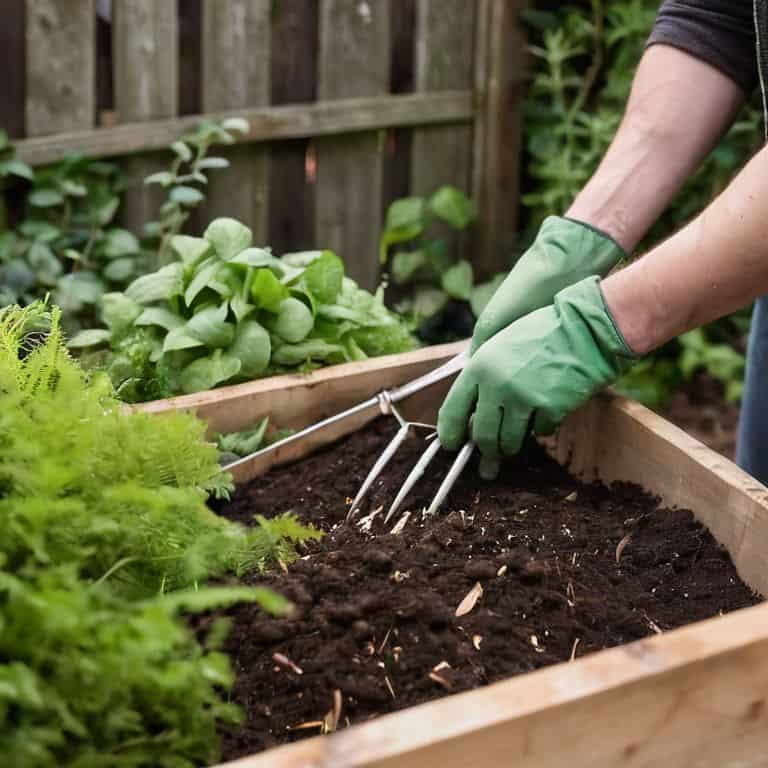
- Gardening gloves (for handling materials)
- Watering can or hose (for maintaining moisture)
- Pitchfork (for aerating compost)
- Measuring tape (for measuring bin size)
Supplies & Materials
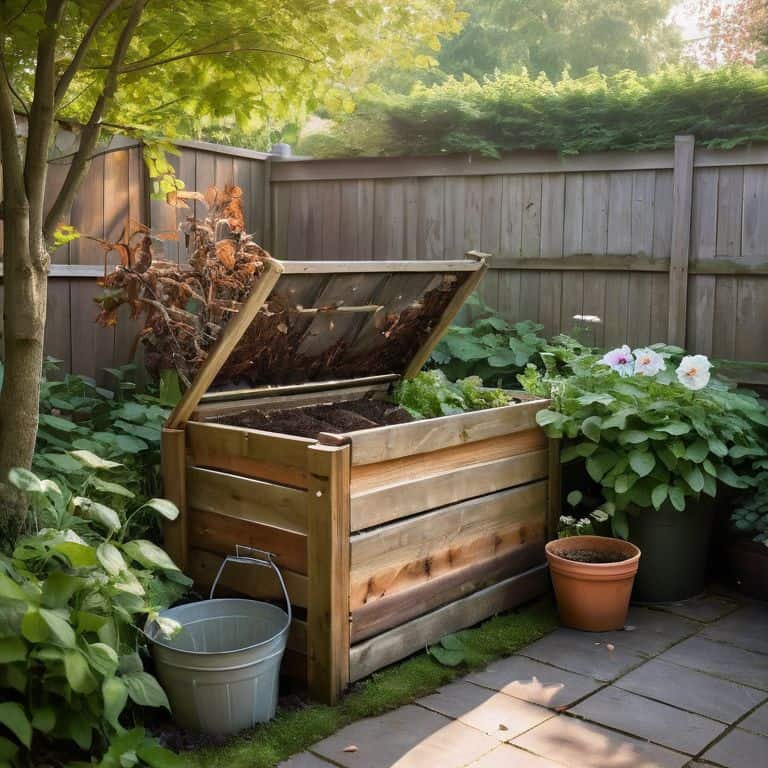
- Compost bin (can be purchased or made from 2-in x 6-in lumber)
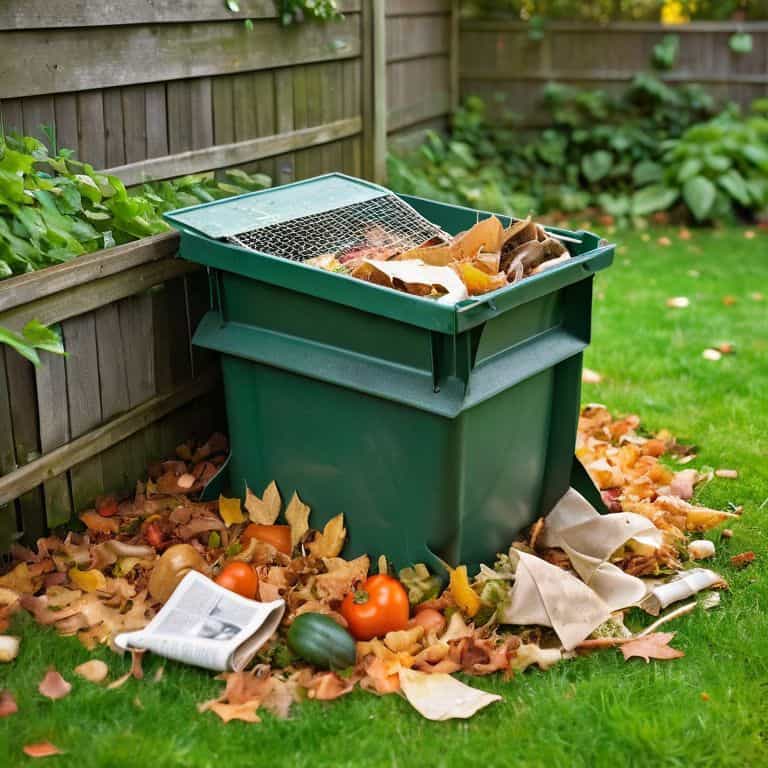
- Brown materials (e.g., dried leaves, shredded newspaper)
- Green materials (e.g., food scraps, grass clippings)
- Soil or finished compost (to speed up composting process)
- Wire mesh (for keeping pests out)
Step-by-Step Instructions
- 1. First, let’s start by setting up our composting space. This could be a corner of your backyard, a balcony, or even a small area on your patio. The key is to find a spot that’s well-ventilated, accessible, and out of direct sunlight. I like to think of it as creating a little oasis for my compost to thrive in.
- 2. Next, we need to gather our materials. You’ll need a mix of “green” materials like food scraps, grass clippings, and manure, as well as “brown” materials like dried leaves, straw, and shredded newspaper. I like to keep a bucket in my kitchen to collect food scraps throughout the day, and I also save my coffee grounds and tea bags to add to the mix. It’s all about creating a balanced blend.
- 3. Now it’s time to build our compost pile. Start by adding a 4-6 inch layer of brown materials at the bottom, followed by a layer of green materials. Repeat this process, ending with a layer of brown materials on top. As you add each layer, sprinkle it with a little water to keep everything moist. Don’t worry too much about getting it perfect – the goal is to create a thriving ecosystem.
- 4. Once our compost pile is built, it’s time to let the magic happen. Over the next few weeks, microorganisms will start to break down the materials, creating a rich, earthy compost. To help things along, make sure to turn the pile every week or two, adding a bit more water as needed. This will help oxygenate the mixture and keep everything moving.
- 5. As we wait for our compost to mature, let’s talk about maintaining the right conditions. Ideally, our compost pile should be kept at a temperature between 130-140°F, with a moisture level similar to a damp sponge. It’s all about finding that sweet spot where the microorganisms can thrive. If you notice any unpleasant odors or pests, don’t worry – we can troubleshoot those issues later.
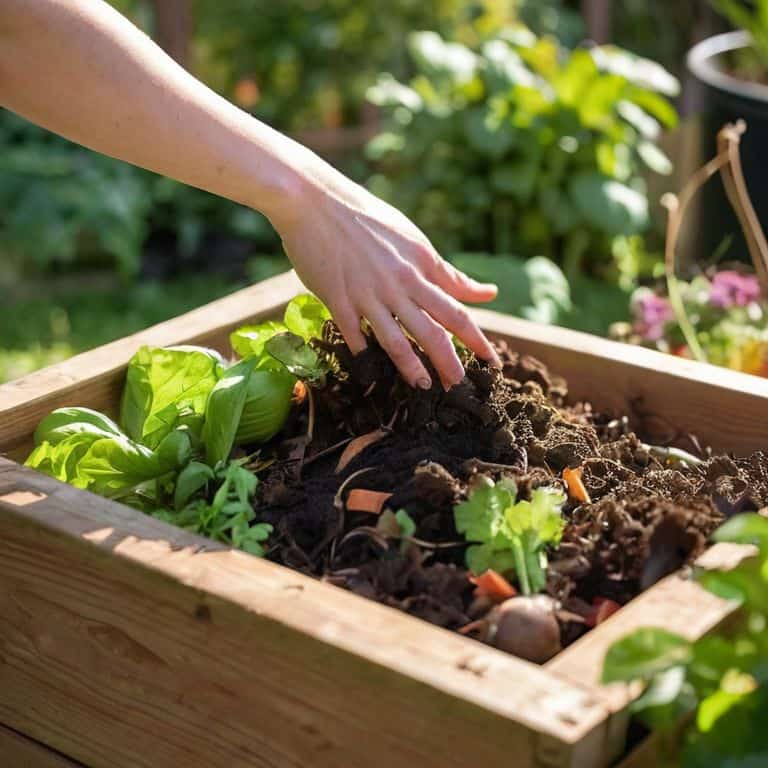
- 6. After several months, our compost should be ready to use. It should have a rich, earthy aroma and a crumbly texture. To test its readiness, try squeezing a handful of the compost – if it holds its shape but crumbles easily, it’s good to go. Now it’s time to add it to our garden, using it to nourish our plants and create a healthy, thriving ecosystem.
- 7. Finally, let’s not forget about troubleshooting common issues. If you notice any problems with your compost, such as pests, odors, or slow decomposition, don’t worry – we can work through them together. The key is to stay observant and make adjustments as needed, keeping our compost pile happy and healthy. With a little patience and practice, you’ll be a composting pro in no time.
A Guide to Composting for Beginners
As I sit in my urban garden, surrounded by the vibrant greens of my latest harvest, I’m reminded of the importance of composting at home tips. One of the most crucial aspects of successful composting is maintaining a balanced mix of “green” and “brown” materials. I like to think of it as a recipe for liquid gold, where the right combination of food scraps, leaves, and twigs creates a nutrient-rich soil amendment.
When it comes to choosing the best compost bin materials, I always recommend opting for durable, eco-friendly options like wood or bamboo. Not only do they blend seamlessly into my garden’s natural aesthetic, but they also allow for excellent airflow, which is essential for speeding up the decomposition process. For those interested in exploring alternative methods, vermicomposting for beginners can be a fascinating and rewarding experience, utilizing worms to break down organic matter.
As I jot down notes in my trusty notebook, I’m reminded of the value of consistent compost pile maintenance. Regularly turning the pile and monitoring its moisture levels can make all the difference in producing high-quality compost. By incorporating this natural fertilizer into my using compost in organic gardening routine, I’ve noticed a significant improvement in my plants’ overall health and resilience. The benefits don’t stop there – compost tea benefits are also worth exploring, as this liquid solution can provide an extra boost to my garden’s ecosystem.
Composting at Home Tips for Serenity
As I tend to my own urban garden, I’ve found that composting is not just about reducing waste, but also about cultivating a sense of serenity. There’s something therapeutic about watching your food scraps transform into nutrient-rich soil. To bring this peace into your home, try designating a quiet corner for your composting station. Add some calming elements like a small herb garden or a wind chime to create a soothing atmosphere.
In my notebook, I’ve jotted down a few tips to enhance your composting experience: keep it simple, be consistent, and don’t be too hard on yourself if it gets messy. Remember, it’s all about embracing the process and connecting with nature, even in the midst of city life. By incorporating these mindful practices, you’ll find that composting becomes a meditative ritual that nourishes both your plants and your soul.
Vermicomposting for Beginners a Gentle Start
As I sit in my urban garden, surrounded by the soothing sounds of nature, I’m reminded of the joy of vermicomposting. It’s a simple, low-maintenance way to compost, perfect for beginners. I started with a small bin and some red wiggler worms, and it’s been a game-changer. The worms break down food scraps into a nutrient-rich compost that’s perfect for my plants.
I love watching my worms thrive, and it’s amazing to see how quickly they turn scraps into gold. If you’re new to vermicomposting, start small and be patient – it’s a gentle learning curve. With a little practice, you’ll be harvesting your own worm compost in no time, and nurturing your plants with the rich, earthy goodness.
Nurturing Nature: 5 Essential Tips for Beginner Composters
- Start small and be consistent: begin with a manageable compost pile or bin to ensure you can maintain it regularly, just like tending to a tiny urban garden on your balcony
- Mix it up: combine ‘green’ materials like food scraps and grass clippings with ‘brown’ materials like dried leaves and shredded paper to create a balanced compost ecosystem
- Keep it moist: aim for a compost pile that’s as damp as a damp sponge, but not soaking wet, to encourage healthy microbial activity and speed up the decomposition process
- Don’t forget to turn: regularly turning your compost pile helps aerate it, reduces odors, and gets you one step closer to that gorgeous, earthy compost for your garden
- Be patient and observe: composting is a natural process that takes time, so enjoy the journey, learn from your mistakes, and watch your compost transform into a rich, dark soil that’ll make your plants thrive
Nurturing Your Compost Journey: 3 Essential Takeaways
As you embark on your composting adventure, remember that patience and persistence are key – it’s a process that requires time, love, and a willingness to get a little messy
Creating a balanced compost pile is an art that involves combining the right amounts of ‘green’ and ‘brown’ materials, and I encourage you to experiment and find the perfect harmony for your unique urban garden
Whether you’re a seasoned gardener or just starting out, vermicomposting offers a fascinating and low-maintenance way to recycle food waste and nurture your plants – don’t be afraid to dive in and discover the wonders of worm composting for yourself
Sowing Seeds of Wisdom
As we nurture the earth through composting, we simultaneously cultivate a sense of balance and harmony within ourselves, reminding us that even the smallest acts of care can blossom into profound beauty and serenity.
Eli Woods
Sowing the Seeds of Sustainability
As we’ve journeyed through this guide to composting for beginners, we’ve covered the essential steps to turn your kitchen scraps into nutrient-rich soil. From setting up your composting space to maintaining the perfect balance of ‘green’ and ‘brown’ materials, we’ve explored the art of composting and how it can bring a sense of serenity to your urban oasis. Remember, composting is not just about reducing waste, but also about creating a sustainable cycle that nourishes your plants and the environment.
As you embark on your composting journey, I encourage you to view it as a symbol of hope for a more mindful and environmentally conscious lifestyle. By embracing this simple yet powerful practice, you’re not only reducing your carbon footprint but also cultivating a deeper connection with nature. So, let’s get our hands dirty and watch our efforts blossom into a thriving, balanced ecosystem that inspires others to do the same. Together, we can make a difference, one compost pile at a time.
Frequently Asked Questions
What are the most common mistakes to avoid when starting a compost pile at home?
Hey, friend! When starting your compost pile, beware of common pitfalls like insufficient airflow, too much water, and neglecting to balance green and brown materials – trust me, I’ve been there! Keep it simple, and your compost will thrive. I’ve jotted down some troubleshooting tips in my notebook, and I’d love to share them with you.
How often should I turn my compost pile to ensure it breaks down efficiently?
Turning your compost pile is like giving your garden a little TLC – aim for every 7-10 days to keep things breaking down beautifully. I like to think of it as a weekly ritual, where I get to connect with the earth and watch my scraps transform into nutrient-rich gold.
Can I compost all types of food scraps, or are there certain items I should avoid adding to my pile?
Not all food scraps are created equal, friend! While composting is amazing, some items can disrupt the balance. Avoid adding meat, dairy, and oils, as they can attract pests and create odors. Stick to fruit and veggie scraps, bread, and grains for a thriving compost pile.