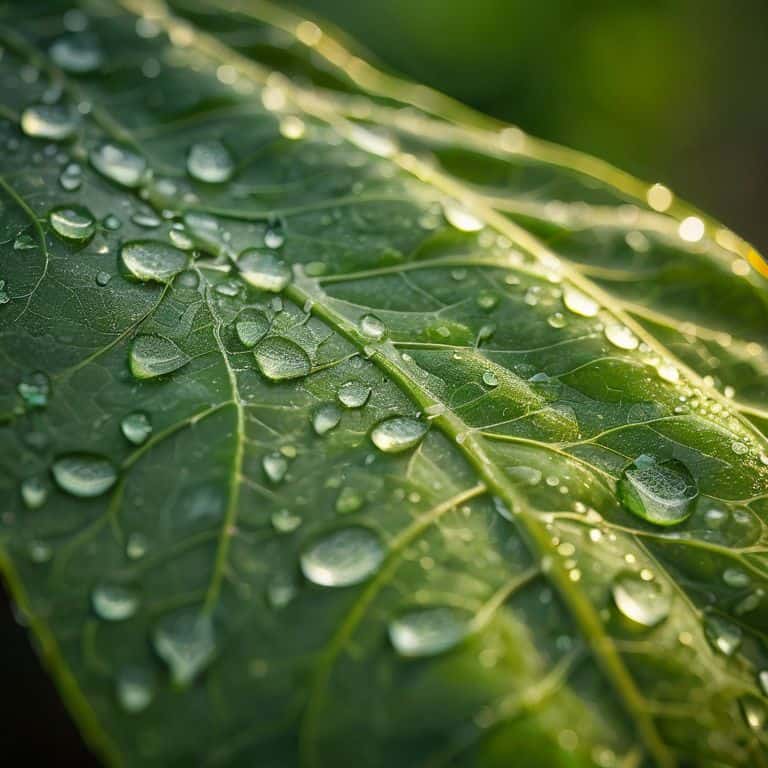
As I gaze up at the trees swaying gently in the breeze, I’m reminded of the countless times I’ve been asked why are leaves green. It’s a question that has puzzled many, and one that I’ve found is often overcomplicated by scientific jargon. But, as someone who’s spent their fair share of nights stargazing, I’ve come to realize that the answer lies not in complex theories, but in the simple, yet fascinating world of chlorophyll. The vibrant green hue of leaves is, in fact, a result of this magical molecule’s ability to absorb sunlight, and it’s a phenomenon that has captivated me since my childhood days of exploring the cosmos.
In this article, I promise to cut through the hype and provide you with a no-nonsense explanation of why leaves are green. As an astrophysicist and science communicator, I’m committed to making complex concepts accessible to everyone. I’ll share my personal story of how a curiosity about the stars led me to understand the intricate dance between light, matter, and life on Earth. By the end of this journey, you’ll not only understand the science behind the green color of leaves but also appreciate the beauty of the natural world in a whole new way. So, let’s embark on this adventure together, and uncover the secrets that lie within the emerald enigma of leaves.
Table of Contents
Cosmic Dance Why Are Leaves Green
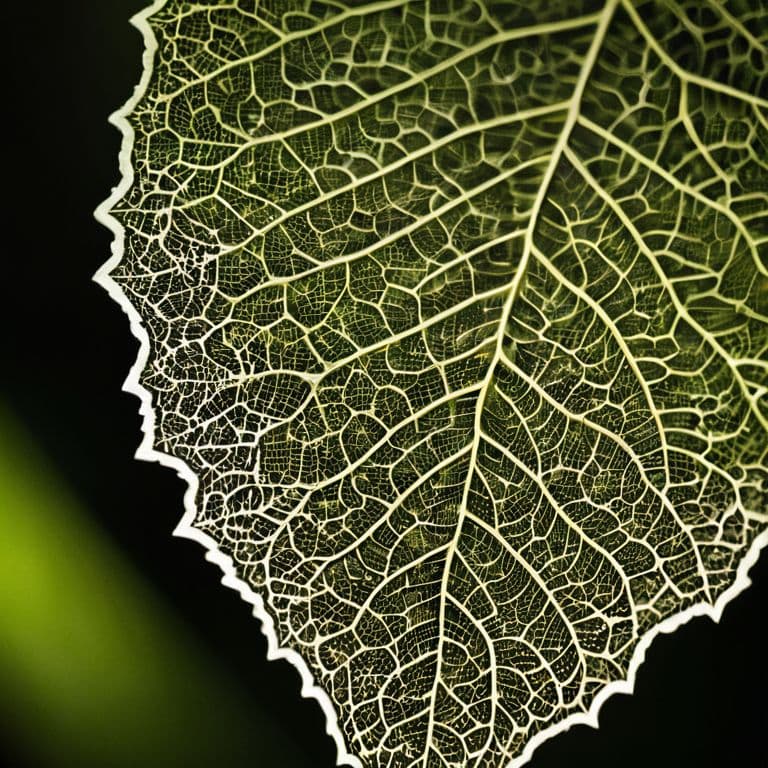
As I gaze up at the lush canopy above, I am reminded of the intricate ballet of light and matter that unfolds in the realm of the tiny. The photosynthesis process, a symphony of molecular interactions, is the unsung hero behind the emerald hue of leaves. At the heart of this phenomenon lies the leaf structure and function, a masterpiece of evolutionary engineering. The thin, flat shape of leaves allows for maximum exposure to the sun’s radiant energy, while their intricate network of veins ensures the efficient distribution of nutrients and water.
The types of plant pigments present in leaves play a crucial role in this grand dance. Chlorophyll, the green pigment, is the primary actor, absorbing light spectrum energies and initiating the photosynthetic waltz. As I ponder the chlorophyll role in plants, I am struck by the realization that this pigment is not just a passive absorber of light, but an active participant in the plant cell anatomy, orchestrating the conversion of sunlight into chemical energy.
In this cosmic dance, the absorption of specific wavelengths of light by chlorophyll and other pigments is a delicate balance of light and shadow. The green color of leaves is, in fact, a reflection of the light spectrum and absorption properties of these pigments, a testament to the remarkable efficiency of the photosynthetic process. As I lose myself in the starry night sky, I am reminded that the secrets of the universe are often hidden in plain sight, waiting to be uncovered by curious minds.
Leaf Structure and Function a Celestial Harmony
As we delve into the intricate world of leaf anatomy, we find a symphony of structures that work in harmony to facilitate the magic of photosynthesis. The leaf’s thin, flat shape maximizes its surface area, allowing it to capture as much sunlight as possible, much like a satellite dish tuning into the cosmic frequency of the sun.
The arrangement of cells within the leaf, with their chloroplast-rich interiors, is a marvel of evolutionary engineering, optimizing the conversion of light energy into chemical bonds. This efficient design enables plants to thrive in a wide range of environments, from the scorching deserts to the lush, tropical rainforests, each a testament to the adaptability and resilience of life on Earth.
Unveiling Chlorophylls Role in Photosynthesis
As we delve into the mystery of the green hue, it becomes clear that chlorophyll is the mastermind behind this natural phenomenon. This green pigment is responsible for absorbing light energy, which is then used to fuel the process of photosynthesis. It’s fascinating to think that the same energy from the sun that illuminates our days is also what gives leaves their distinctive color.
The process of photosynthesis is a delicate balance of light absorption, water intake, and carbon dioxide conversion. Chlorophyll plays a crucial role in this balance, allowing plants to thrive and grow. Its presence is a testament to the intricate harmony between living organisms and their environment, a harmony that is both beautiful and essential for life on Earth.
Stardust in Leaves Emerald Mysteries
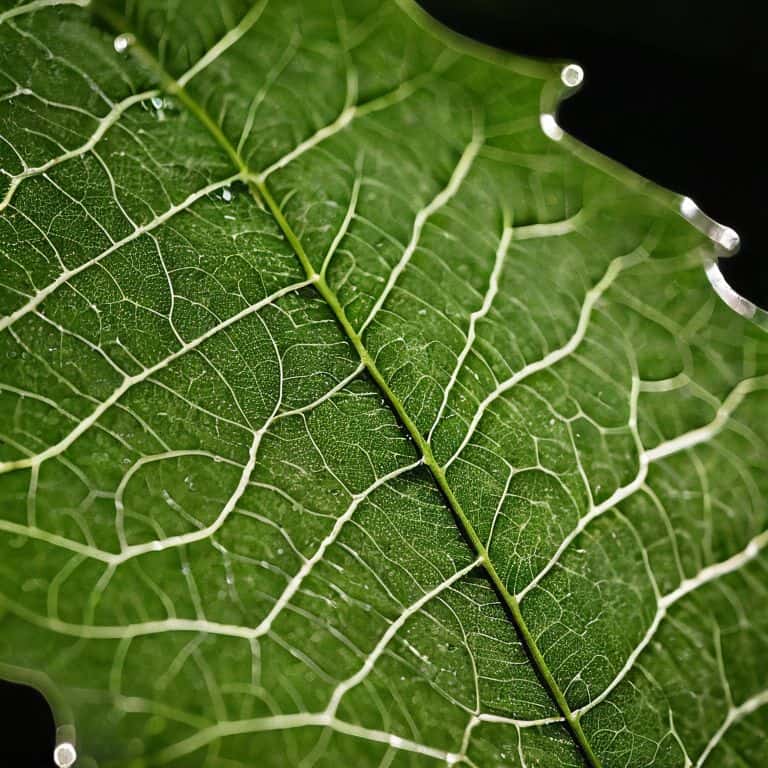
As we delve deeper into the emerald mysteries of leaves, it’s fascinating to consider the interplay between light and chlorophyll. This intricate dance is what sets the stage for the photosynthesis process, where plants harness energy from the sun to fuel their growth. The structure and function of leaves are perfectly adapted to maximize this process, with their thin, flat shape allowing for optimal absorption of light.
The light spectrum and absorption play a crucial role in this process, as chlorophyll is tuned to absorb specific wavelengths of light, while reflecting others. This is why leaves appear green to our eyes, as the reflected light is what we perceive as color. The types of plant pigments present in leaves, including chlorophyll and other accessory pigments, work together to regulate the absorption and reflection of light, ensuring that the plant can efficiently harness energy from the sun.
In the context of plant cell anatomy, the chloroplasts are the tiny factories where photosynthesis takes place. These organelles contain the chlorophyll role in plants, which is to convert light energy into chemical energy. As we gaze up at a tree, its leaves a vibrant green, we’re witnessing the culmination of this complex process, where the leaf structure and function come together in a celestial harmony to sustain life on Earth.
Deciphering Light Spectrum and Pigment Absorption
As we delve deeper into the emerald world of leaves, we find ourselves entwined in a dance of light and color, where pigment absorption plays the lead role. The green hue we see is not just a product of chlorophyll, but also a result of how leaves interact with the light spectrum, absorbing certain wavelengths while reflecting others. This intricate process is akin to the celestial ballet, where planets and stars move in harmony, each playing its part in the grand symphony of the universe.
In this cosmic waltz, light spectrum is the underlying melody, with leaves responding by absorbing and reflecting specific wavelengths, giving rise to the vibrant green we observe. This phenomenon is a testament to the remarkable adaptability of nature, where even the simplest structures can give rise to complex and beautiful outcomes, much like the formation of galaxies from stardust.
The Anatomy of Plant Cells a Universe Within
As we delve into the intricate world of plant cells, we find a universe within, teeming with life and complexity. The cell wall, a sturdy fortress, protects the delicate dance of organelles inside, each playing its role in the grand symphony of photosynthesis.
The cellular machinery is a marvel, with chloroplasts, mitochondria, and nuclei working in harmony to sustain life, much like the celestial ballet of planets and stars in our galaxy, where every element has its place and function.
Unraveling the Green Enigma: 5 Cosmic Clues
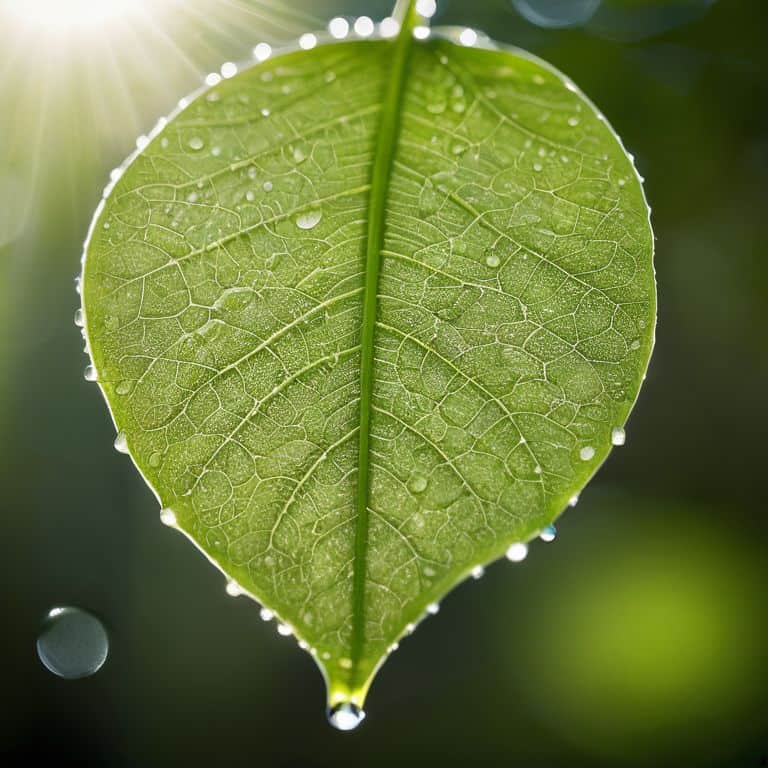
- Embracing the Spectacle of Light: Understanding how leaves absorb and reflect light across the visible spectrum, much like the Earth’s atmosphere scatters sunlight, is key to unraveling their green mystery
- Decoding the Language of Chlorophyll: This green pigment, pivotal in photosynthesis, acts as a celestial translator, converting sunlight into energy, and its presence is the primary reason leaves appear green to our eyes
- Exploring the Leaf’s Cosmic Structure: The intricate architecture of a leaf, from its veins to its cells, resembles a microscopic galaxy, with each component playing a vital role in the process of photosynthesis and, consequently, the leaf’s green color
- Delving into the Universe of Pigments: Beyond chlorophyll, other pigments like carotenoids and anthocyanins contribute to the leaf’s color palette, akin to how different elements create the diverse hues we see in celestial bodies and events
- Observing the Harmony of Nature: Just as the universe operates under a set of physical laws, the green color of leaves is a result of the harmonious interplay between biological processes, environmental factors, and the physical properties of light and matter, a true reflection of nature’s intrinsic beauty and order
Cosmic Connections: 3 Key Takeaways
Leaves appear green due to the intricate ballet of chlorophyll, a pigment that absorbs light most efficiently in the red and blue parts of the visible spectrum, reflecting the green light back to our eyes, much like the celestial dance of planets around their stars
The structure and function of leaves are a marvel of evolutionary engineering, with cells, tissues, and organs working in harmony to capture sunlight, convert it into energy through photosynthesis, and sustain life on Earth, echoing the harmony found in the orbits of celestial bodies
The green hue of leaves is not just a product of biology, but also a reflection of the physical laws that govern our universe, from the absorption spectra of pigments to the properties of light itself, reminding us that the natural world is full of emerald mysteries waiting to be unveiled, much like the uncharted territories of the cosmos
Unveiling Nature's Palette
The green hue of leaves is not just a color, but a cosmic whisper – a reminder that the very essence of life on Earth is inextricably linked to the celestial dance of light, energy, and the infinite wonders of the universe.
Dr. Edward Woods
Unveiling the Cosmic Tapestry: A Conclusion
As we’ve navigated the cosmic dance of leaf pigmentation, we’ve uncovered the pivotal role of chlorophyll in photosynthesis, and how the intricate leaf structure facilitates this process. Delving deeper, we’ve explored the stardust within leaves, understanding how light spectrum and pigment absorption contribute to their green hue. This journey has not only illuminated the science behind leaf color but has also reminded us of the universal harmony that exists between the celestial bodies above and the natural world below.
As we conclude this exploration, let’s not forget that the mystery of the green leaf is a testament to the awe-inspiring complexity of our universe. Just as the night sky beckons us to explore its depths, the simple yet profound question of why leaves are green invites us to embrace the wonder of discovery, to seek out the secrets that bind us to the cosmos, and to find inspiration in the realization that we are all, in essence, stardust gazing up at the stars.
Frequently Asked Questions
What role do other pigments, like carotenoids and anthocyanins, play in the overall green color of leaves?
As we delve into the kaleidoscope of leaf colors, it’s fascinating to note that while chlorophyll takes center stage, other pigments like carotenoids and anthocyanins play supporting roles, subtly influencing the overall hue, with carotenoids adding yellow and orange undertones and anthocyanins contributing red and purple shades, all harmonizing to create nature’s masterpiece.
How does the unique structure of chlorophyll molecules allow them to absorb light energy for photosynthesis?
The chlorophyll molecule’s structure is like a cosmic antenna, tuned to absorb light energy in the blue and red parts of the spectrum, while reflecting green light, hence the emerald hue. This precise arrangement of atoms allows chlorophyll to capture photons and fuel photosynthesis, a truly celestial ballet of light and life.
Are there any variations in leaf color across different plant species that can be attributed to adaptations in their environments?
As we gaze upon the verdant tapestry of our planet, it’s fascinating to note that leaf colors do indeed vary across species, often as a testament to their adaptive responses to environmental cues – think of the deep reds of high-altitude plants or the waxy blues of succulents, each a unique strategy to thrive in their cosmic niche.