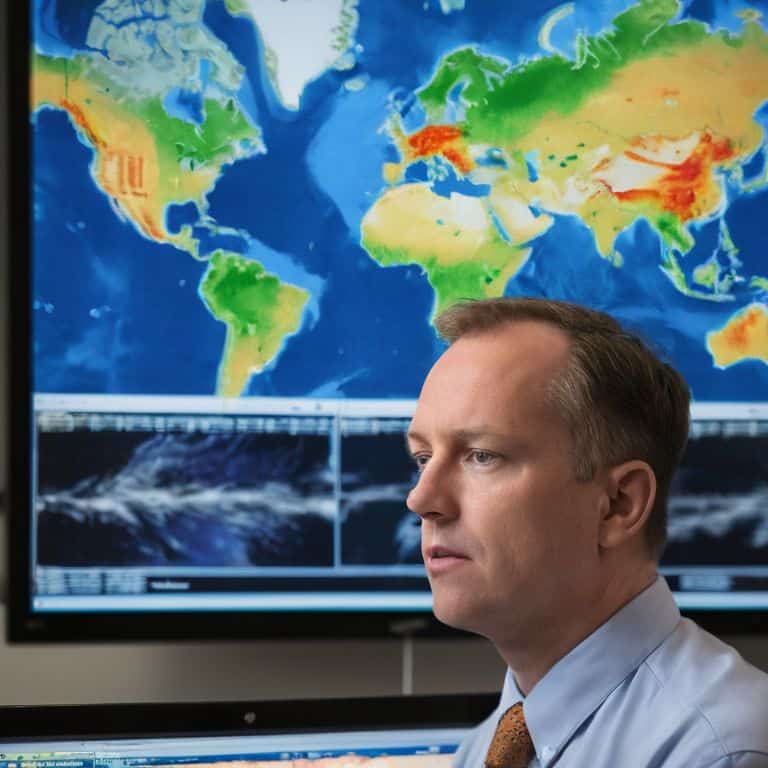
As I stood at the edge of the Grand Canyon, camera in hand, I realized that predicting the weather is not just about checking forecasts, but about understanding the subtle signs of nature. I’ve always been fascinated by the art of reading the skies, and as a travel writer, I’ve had my fair share of experiences with unpredictable weather conditions. That’s why I’m excited to share with you a guide to weather forecasting, which has been my trusted companion on many adventures. From navigating through dense forests to capturing breathtaking sunsets, knowing how to forecast the weather has been a game-changer for me.
In this article, I’ll share practical tips and tricks for predicting the weather, gathered from my experiences as a nature photographer and cultural consultant. You’ll learn how to read the clouds, understand wind patterns, and use simple tools like my trusty compass to stay ahead of the weather. My goal is to empower you with the knowledge to make the most of your outdoor adventures, whether you’re a fellow photographer, a hiker, or simply someone who loves exploring the great outdoors. By the end of this guide, you’ll be equipped with the skills to forecast the weather like a pro, and make the most of your time under the sun.
Table of Contents
Guide Overview: What You'll Need

Total Time: 2 hours 30 minutes
Estimated Cost: $20 – $50
Difficulty Level: Intermediate
Tools Required
- Computer (with internet connection)
- Barometer (for measuring atmospheric pressure)
- Thermometer (for measuring temperature)
- Hygrometer (for measuring humidity)
Supplies & Materials
- Weather mapping paper
- Pencils (for charting weather patterns)
- Erasers (for correcting mistakes)
- Ruler (12 inches long)
Step-by-Step Instructions
- 1. First, do this: start by observing the skies around you, taking note of the cloud formations, wind direction, and any changes in temperature or humidity. As a nature photographer, I’ve learned that the key to predicting the weather lies in paying attention to these subtle signs. I recall a trip to the mountains where I was able to forecast a storm by simply reading the signs of nature, from the way the trees swayed to the sound of the wind whistling through the valleys.
- 2. Next, gather your tools: invest in a good quality barometer, which will help you measure atmospheric pressure, and a thermometer to track temperature changes. I’ve found that having the right equipment can make all the difference in accurate weather forecasting. For instance, during my travels to the desert, I used my barometer to predict a sudden drop in pressure, which indicated an impending sandstorm.
- 3. Now, learn to read the clouds: familiarize yourself with the different types of clouds, from cumulus to stratus, and understand what they indicate about the weather. As someone who’s grown up in a multicultural family, I’ve had the opportunity to learn from various traditional forecasting methods, such as observing the shapes and heights of clouds to predict rain or shine.
- 4. Then, track the wind: pay attention to changes in wind direction and speed, as these can be indicative of shifting weather patterns. I’ve found that using my compass to determine wind direction has been incredibly helpful in predicting weather changes. For example, during a sailing trip, I used my compass to track a change in wind direction, which helped me anticipate a storm.
- 5. After that, monitor the temperature: keep an eye on temperature fluctuations, as these can be a key indicator of changing weather patterns. As a travel writer, I’ve learned to pack accordingly, taking into account the temperature and humidity of my destination. I recall a trip to the tropics where I was able to predict a heatwave by tracking the rising temperatures.
- 6. Next, stay up-to-date with weather forecasts: tune into local weather reports, and use online resources or apps to stay informed about weather patterns in your area. I’ve found that combining traditional forecasting methods with modern technology can provide a more accurate picture of the weather. For instance, during a hike, I used a weather app to track a developing storm, which helped me plan my route and stay safe.
- 7. Finally, trust your instincts: as you practice and hone your weather forecasting skills, learn to trust your inner compass, and don’t be afraid to use your own judgment when predicting the weather. As someone who’s spent years exploring the great outdoors, I’ve developed a keen sense of awareness that helps me navigate uncertain weather conditions. Whether I’m hiking, sailing, or simply enjoying a picnic, I’ve learned to rely on my instincts to stay safe and make the most of my adventures.
A Guide to Weather Forecasting
As I delve into the world of weather forecasting, I’ve come to realize the importance of atmospheric pressure in predicting the skies. You see, understanding how atmospheric pressure works is like having a compass that guides you through the vast landscape of weather patterns. It’s about recognizing the subtle signs that indicate a change in the weather, like the shift in wind direction or the drop in pressure.
When it comes to predicting weather fronts, it’s essential to consider the role of wind direction. By analyzing the way the wind blows, you can gain valuable insights into the movement of weather systems. I recall a time when I was on a photography expedition, and I used my knowledge of wind direction to anticipate a sudden storm. It was exhilarating to capture the dramatic skies, and it reinforced the value of understanding the basics of meteorology.
For outdoor enthusiasts, using satellite imagery can be a game-changer in weather forecasting. By studying satellite images, you can identify patterns and systems that may not be immediately apparent. As someone who loves nature photography, I’ve found that satellite imagery helps me plan my shoots around optimal weather conditions. Whether you’re a photographer or an adventurer, having access to this information can make all the difference in your preparations.
Predicting Storms With Satellite Imagery
As I delve into the world of weather forecasting, I’m reminded of my travels to the coast of Africa, where I witnessed the power of storms firsthand. Predicting these tempests is a crucial aspect of meteorology, and satellite imagery has become an indispensable tool. By analyzing satellite images, meteorologists can track cloud formations, wind patterns, and other indicators of impending storms. I recall capturing a stunning shot of a stormy sky during my nature photography escapades, and it’s fascinating to think that similar images can be used to predict such events.
With satellite imagery, forecasters can identify signs of low pressure, strong winds, and heavy rainfall, allowing them to issue timely warnings and protect communities from the fury of the storm. My collection of compasses from around the world may not directly help with predicting storms, but it reminds me of the importance of navigation and preparedness in the face of unpredictable weather.
Unlocking Meteorological Secrets
Unlocking Meteorological Secrets
As I delve into the world of weather forecasting, I’m reminded of my trusty compass collection – each one a symbol of navigation and discovery. In meteorology, understanding atmospheric conditions is key. I’ve found that recognizing patterns in cloud formations, wind directions, and temperature fluctuations can be as captivating as capturing a sunrise through my lens. By paying attention to these subtle signs, we can unlock the secrets of the weather and make more accurate predictions.
Through my travels and studies, I’ve learned to appreciate the complexity and beauty of meteorological phenomena. From the majestic storms of the American plains to the gentle monsoons of India, each region holds its unique weather story. By embracing this diversity and staying curious, we can refine our forecasting skills and develop a deeper connection with the natural world.
Navigating the Skies: 5 Essential Tips for Weather Forecasting
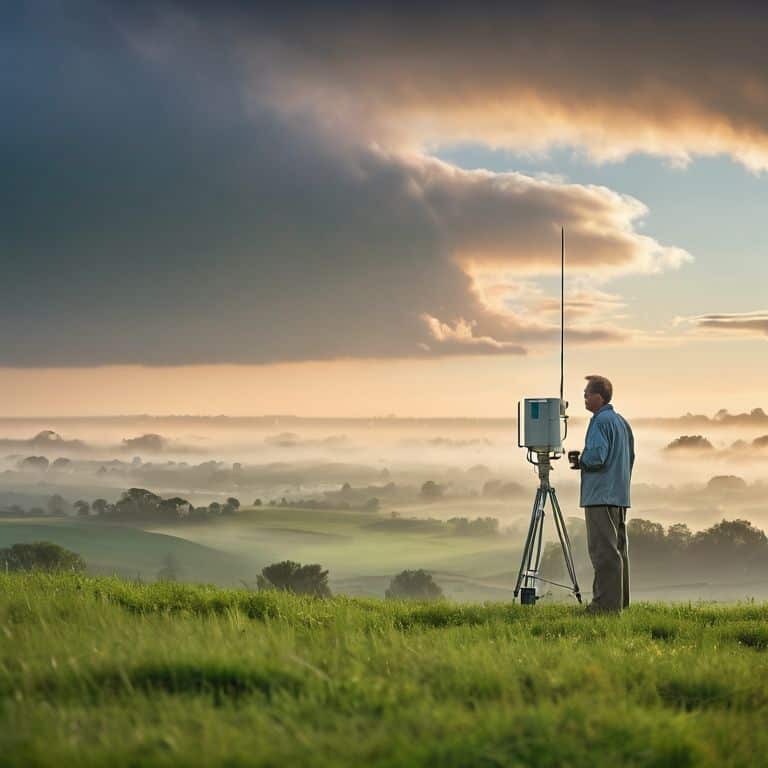
- Observe Cloud Formations: Just like a photographer waits for the perfect light, learning to read cloud types and formations can help you predict impending weather changes
- Listen to Local Wisdom: Indigenous communities often possess traditional knowledge about weather patterns, passed down through generations, which can be invaluable in forecasting
- Understand Wind Patterns: The direction and speed of winds can significantly influence weather forecasts, and recognizing these patterns can help you make more accurate predictions
- Monitor Temperature Fluctuations: Sudden drops or rises in temperature can signal changes in the weather, and being attentive to these fluctuations can aid in forecasting
- Use Technology Wisely: While satellite imagery and weather apps are powerful tools, combining them with traditional observation techniques can provide a more comprehensive understanding of upcoming weather patterns
Key Takeaways for the Curious Traveler
Always keep a keen eye on nature’s signs, from the movement of birds to the behavior of clouds, as these can often provide the first hints of changing weather patterns
Mastering the art of reading satellite imagery can be a powerful tool in predicting storms and severe weather conditions, allowing you to plan your travels with greater safety and precision
By combining traditional knowledge of meteorology with modern technological tools, you can unlock a deeper understanding of the weather, making you a more resilient and adaptable traveler in the face of nature’s unpredictability
Navigating the Skies
The art of weather forecasting is not just about predicting the future, but about understanding the whispers of the past and the pulse of the present, for in the rhythms of nature lies the harmony of our existence.
Lila Wanderstone
Embracing the Skies: A Conclusion to Weather Forecasting
As I conclude this guide to weather forecasting, I want to emphasize that mastering the art of prediction is a journey, not a destination. We’ve explored the basics of meteorology, delved into the world of satellite imagery, and touched upon the importance of local knowledge. Whether you’re a seasoned traveler or a curious enthusiast, understanding the weather is key to navigating our planet with wisdom and joy. By following the steps outlined in this guide, you’ll be well on your way to unlocking meteorological secrets and making informed decisions about your adventures.
As you venture forth into the great unknown, remember that weather forecasting is not just about predicting storms or clear skies – it’s about embracing the beauty of uncertainty. The next time you find yourself chasing a sunset or seeking shelter from a sudden downpour, recall the thrill of discovery that comes with reading the signs of nature. May your journeys be filled with wonder, your heart be filled with joy, and your spirit be guided by the ever-changing skies. With every step, every photograph, and every compass direction, may you find your own path to wisdom and adventure.
Frequently Asked Questions
How can I use cloud patterns to predict weather changes when I'm out in the wilderness?
When I’m out capturing nature’s beauty through my lens, I’ve learned to read cloud patterns like a storyteller reads the signs of the land. Look for towering cumulus clouds, which can signal an impending storm, or thin cirrus clouds, which often indicate fair weather ahead. By tuning into these celestial cues, you can forecast the weather and stay one step ahead on your wilderness adventures.
What are some common mistakes to avoid when interpreting satellite imagery for storm prediction?
When deciphering satellite imagery, I’ve found it’s crucial to avoid misinterpreting cloud patterns and underestimating the impact of topography on storm tracks – it’s like navigating through uncharted terrain without a compass, you might get lost in the details.
Can traditional weather forecasting methods, such as reading nature signs, be combined with modern technology for more accurate predictions?
As I’ve learned from my travels, combining traditional nature-reading skills with modern tech can indeed enhance forecasting accuracy. I’ve seen indigenous communities use cloud patterns and animal behavior to predict weather, then verify with satellite imagery for astonishing accuracy. By merging ancient wisdom with modern tools, we can create a powerful synergy.