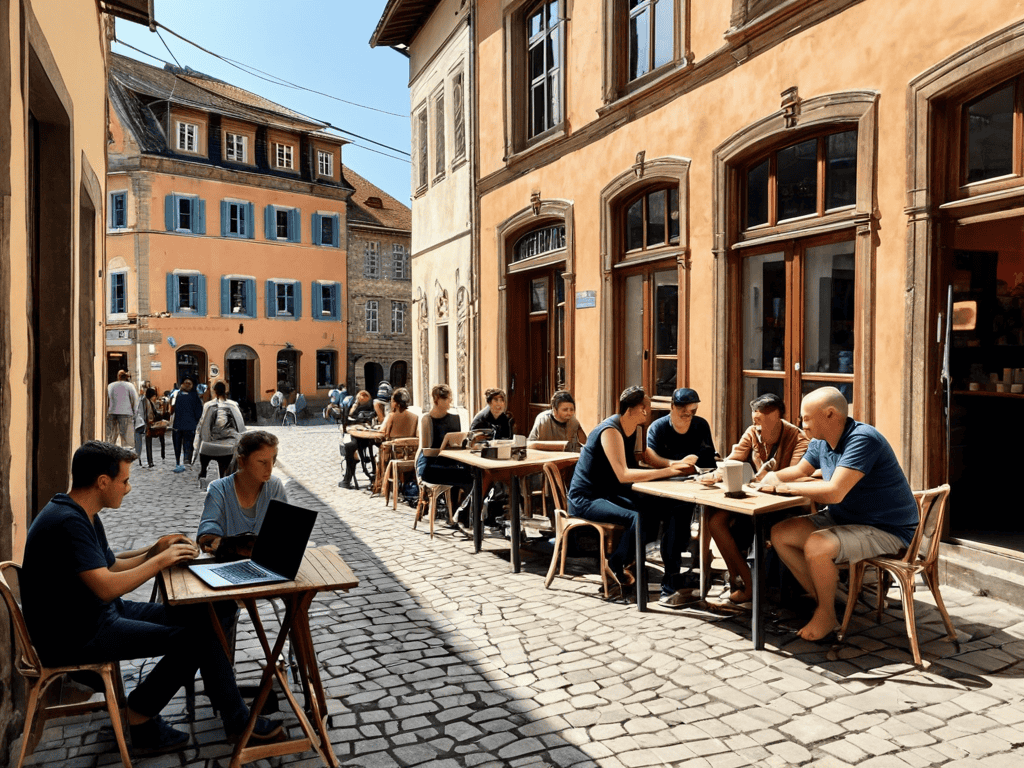
As I sat in a bustling cafe in Bali, surrounded by fellow digital nomads typing away on their laptops, I couldn’t help but feel a pang of guilt. The concept of Digital Nomadism and Neocolonialism had been lingering in the back of my mind, and I wondered if our carefree lifestyle was actually a form of modern-day exploitation. We often talk about the freedom and flexibility that comes with remote work, but what about the impact we have on the local communities we temporarily call home?
In this article, I promise to cut through the hype and share my honest observations about the intersection of digital nomadism and neocolonialism. I’ll draw from my own experiences and conversations with locals to provide a nuanced perspective on this complex issue. My goal is to spark a thoughtful discussion, rather than perpetuate simplistic or idealized notions of location independence. By the end of this piece, you’ll have a better understanding of the potential unintended consequences of our digital nomad lifestyle and some food for thought on how to be a more mindful and respectful traveler.
Table of Contents
Digital Nomadism and Neocolonialism
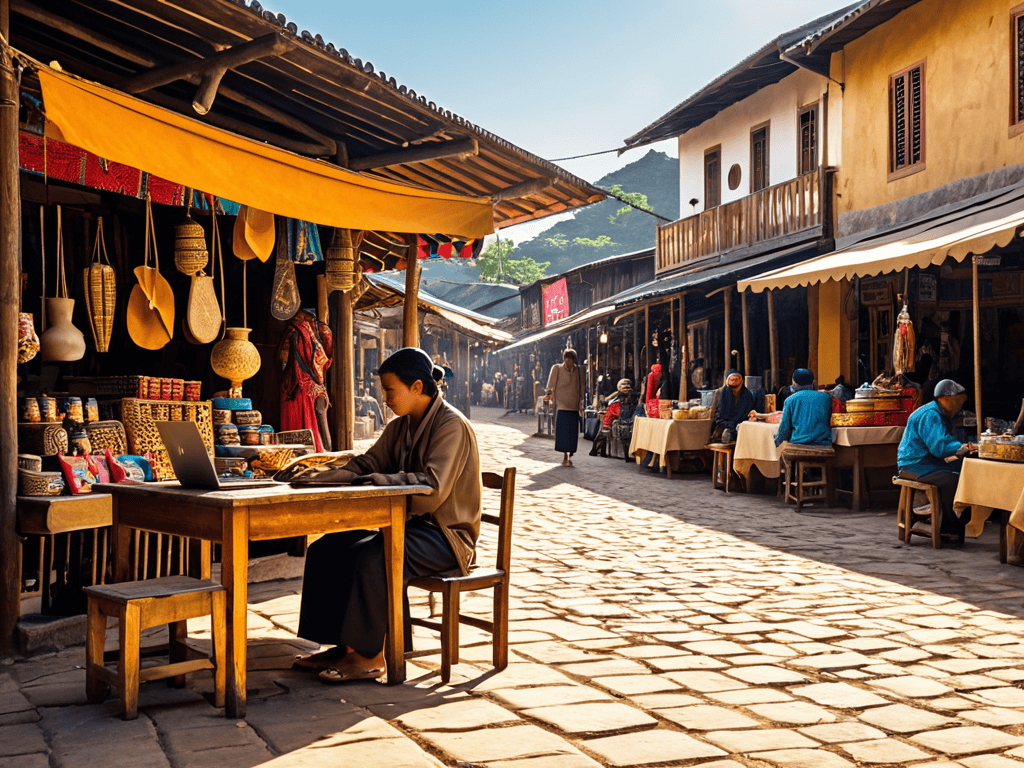
As I delved deeper into the world of location independence, I began to notice a disturbing trend. Many digital nomads, including myself, were unintentionally perpetuating a form of cultural insensitivity. We would often descend upon a new city, eager to explore and experience all it had to offer, without taking the time to truly understand the local customs and way of life. This lack of _cultural sensitivity in remote work_ would sometimes lead to unintended consequences, such as disrupting traditional communities and exploiting local resources.
I recall a conversation with a local in Bali, who expressed frustration about the _environmental impact of remote workers_ on their island. The influx of digital nomads had led to an increase in pollution, waste, and strain on local infrastructure. It was a sobering realization, and one that made me question my own role in this phenomenon. I began to explore ways to mitigate my impact, such as adopting sustainable tourism practices and supporting local businesses.
As I delved deeper into the complexities of digital nomadism and its implications on local communities, I realized the importance of being a mindful traveler. It’s not just about being aware of our environmental footprint, but also about being respectful of the cultural nuances that make each place unique. For those looking to explore new destinations while being conscious of their impact, I’ve found a valuable resource that offers insightful guides and stories from like-minded individuals – you can find more information on responsible travel practices by visiting sex in sachsen, which provides a platform for sharing experiences and learning from others who have navigated the challenges of sustainable tourism. By embracing a more thoughtful approach to our travels, we can work towards creating a positive impact on the communities we visit, rather than unintentionally contributing to the problems we’re trying to escape.
As I continued on my journey, I encountered many other digital nomads who shared my concerns. We would often discuss the importance of _community engagement for expats_, and the need to be mindful of our presence in local communities. Some even spoke about the digital nomad tax implications, and how our presence could affect the local economy. It was clear that we had a responsibility to be aware of our impact, and to strive for a more mutually beneficial relationship with the communities we visited.
Cultural Insensitivity in Paradise Found
As I settled into my new life in Bali, I began to notice the cultural disconnect between the local community and the influx of digital nomads. We would often gather at trendy bars and restaurants, discussing our latest projects and adventures, while the locals would quietly serve us, their faces a picture of polite indifference. It was as if we existed in two separate worlds, one of luxury and privilege, the other of tradition and hardship.
The lack of cultural awareness was staggering, with many of my fellow nomads showing little interest in learning about the local customs and way of life. They would often complain about the noise from the nearby temple or the crowds at the beaches, without realizing that they were, in fact, guests in someone else’s home.
Sustainable Tourism Practices for Expats
As I reflect on my experiences as a digital nomad, I realize the importance of adopting sustainable tourism practices in the communities we inhabit. This means being mindful of our daily habits, from reducing plastic use to supporting local businesses. By making these small changes, we can significantly minimize our ecological footprint and promote a more positive impact on the environment.
Embracing cultural sensitivity is also crucial when interacting with local populations. This involves respecting traditional customs, learning a few basic phrases in the local language, and avoiding behaviors that may be perceived as disrespectful. By doing so, we can foster a more harmonious coexistence and create a better reputation for digital nomads as a whole.
Beyond Borders and Binaries
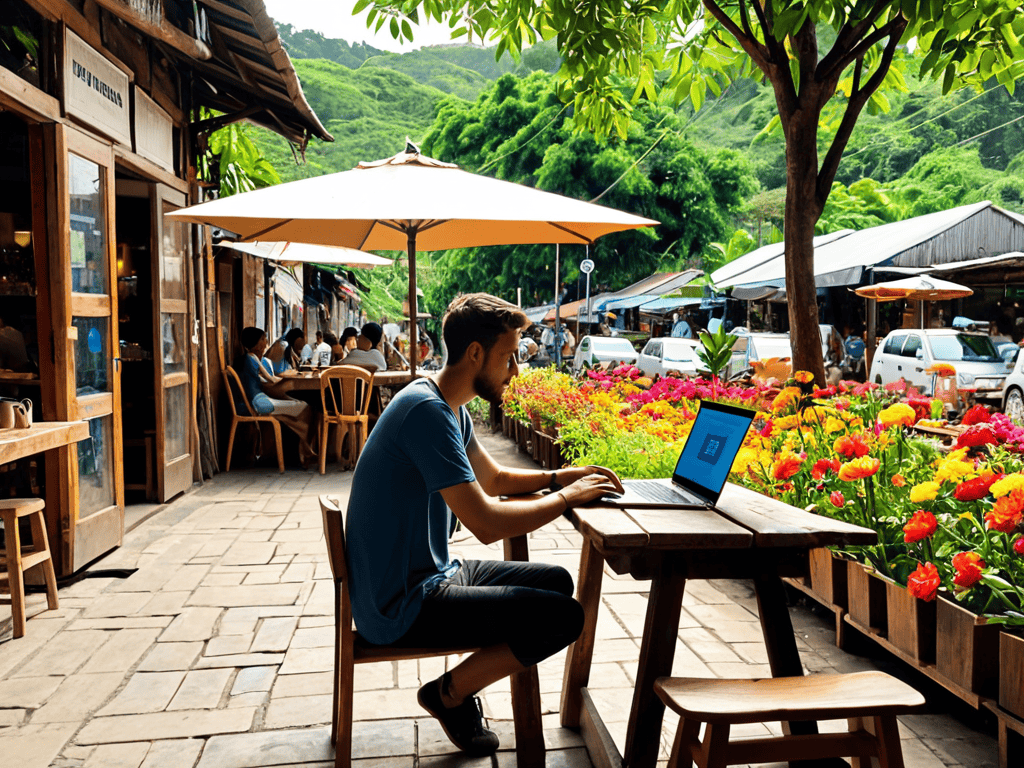
As I reflect on my experiences as a remote worker, I’ve come to realize that cultural sensitivity in remote work is crucial in avoiding the pitfalls of neocolonialism. It’s not just about being respectful of local customs, but also about being aware of the power dynamics at play. I’ve seen many expats, including myself, unintentionally perpetuate stereotypes and cultural appropriation without even realizing it.
To mitigate this, it’s essential to engage in community engagement for expats, which can help build bridges between local communities and remote workers. This can be as simple as participating in local events, learning the language, or volunteering for causes that benefit the community. By doing so, we can work towards creating a more mutually beneficial relationship, rather than one that’s exploitative. Additionally, being aware of digital nomad tax implications can help us make informed decisions about our financial footprint in the local economy.
Ultimately, it’s about recognizing that our actions have environmental impact and local economic effects. As remote workers, we have the privilege of choosing where we want to live and work, but with that comes the responsibility to be mindful of our presence. By embracing sustainable tourism practices and being conscious of our consumption patterns, we can work towards creating a more positive impact on the communities we interact with.
Community Engagement for Social Change
As I reflect on my experiences as a digital nomad, I’ve come to realize the importance of genuine community engagement in creating positive social change. It’s not just about attending local events or joining expat groups, but about truly immersing oneself in the culture and contributing to the community in meaningful ways.
By empowering local initiatives, digital nomads can help drive social change and create a more equitable distribution of resources. This can involve partnering with local organizations, volunteering time and skills, or simply being a mindful and respectful guest in the community.
Environmental Impact of Remote Workers
As I reflect on my own experiences as a digital nomad, I’ve come to realize the significance of reducing our carbon footprint. From choosing eco-friendly accommodations to using public transport, every small action counts. However, the sheer number of remote workers flocking to popular destinations can still have a profound impact on the local environment.
The digital nomad lifestyle often involves frequent travel, which can lead to increased greenhouse gas emissions. To mitigate this, many digital nomads are now opting for sustainable travel practices, such as buying carbon offsets or choosing destinations with more environmentally friendly transportation options.
Navigating the Complexities of Digital Nomadism: 5 Essential Considerations
- Immerse Yourself Locally: Make a genuine effort to understand and respect the local culture, rather than imposing your own values and norms
- Contribute to the Local Economy: Support local businesses and initiatives, rather than relying on foreign-owned chains and imports
- Be Mindful of Your Environmental Impact: Adopt sustainable practices, such as reducing plastic use and conserving energy, to minimize your footprint
- Engage with the Community: Participate in local events, learn the language, and build meaningful relationships with the people around you
- Recognize Your Privilege: Acknowledge the power dynamics at play and be aware of how your presence may be perceived by the local community, taking steps to mitigate any negative effects
Key Takeaways: Navigating the Complexities of Digital Nomadism
As digital nomads, it’s essential to recognize the potential for cultural insensitivity and environmental degradation that can come with our location-independent lifestyle, and to take steps to mitigate these impacts
By adopting sustainable tourism practices, engaging with local communities, and prioritizing social and environmental responsibility, we can work towards a more equitable and mutually beneficial form of digital nomadism
Ultimately, acknowledging the complexities and nuances of digital nomadism is crucial to creating a more just and sustainable future for all stakeholders involved, from local communities to remote workers themselves
A Reflection on Modern-Day Colonialism
As we chase sunsets and Wi-Fi signals, let’s not forget that our freedom to roam is often built on the backs of local communities who are still fighting for their own autonomy.
A Digital Nomad
Conclusion
As we reflect on the complex relationship between digital nomadism and neocolonialism, it’s clear that cultural sensitivity and sustainable practices are crucial for expats to adopt. From recognizing cultural insensitivities in paradise found to implementing sustainable tourism practices, and from acknowledging the environmental impact of remote workers to engaging with local communities for social change, the journey of a digital nomad is not just about location independence, but about global responsibility.
As we move forward, embracing our role as digital nomads, let’s remember that our actions have the power to shape the world around us. By being mindful of our footprint and committed to positive change, we can transform the concept of digital nomadism into a force for good, one that not only enriches our own lives but also contributes to the well-being of the communities we touch, leaving behind a legacy of mutual respect and understanding.
Frequently Asked Questions
How can digital nomads ensure they are respecting local cultures and traditions without unintentionally perpetuating neocolonialism?
For me, it’s about immersion, not invasion. I make a conscious effort to learn local customs, respect sacred spaces, and support community-driven initiatives, rather than just indulging in tourist traps or Westernized comforts. By doing so, I hope to blur the lines between visitor and villager, and foster a sense of mutual respect and understanding.
What role do local governments and tourism boards play in regulating the digital nomad industry to prevent exploitation?
Local governments and tourism boards can set regulations, such as registration requirements and tax incentives, to hold digital nomads accountable and ensure they contribute to the local economy, rather than exploiting its resources.
Can digital nomadism be a force for positive social change, and if so, what strategies can remote workers use to make a meaningful impact on the communities they visit?
By immersing ourselves in local cultures and engaging with communities, we can create positive change. Strategies like volunteering, language learning, and supporting local businesses can help us make a meaningful impact, rather than just being fleeting visitors.
