As I sit amidst my urban garden, surrounded by the gentle hum of bees and the warmth of sunlight, I often find myself pondering the history of the minimalist movement. It’s a topic that’s often shrouded in misconceptions, with many believing it’s solely about getting rid of stuff. But, in my experience, it’s so much more than that. I’ve seen how this philosophy can be distorted into an expensive, trendy lifestyle, where people feel pressured to buy the latest minimalist decor or invest in fancy organizational systems. This isn’t what minimalism is about, and it’s time to set the record straight.
In this article, I promise to share my honest, experience-based insights into the history of minimalism, stripping away the hype and focusing on the real benefits of this lifestyle. I’ll take you on a journey through the evolution of minimalist thought, highlighting key figures and movements that have shaped this philosophy into what it is today. My goal is to empower you with a deeper understanding of the history of the minimalist movement, so you can make informed decisions about how to apply its principles in your own life. By the end of this article, you’ll have a clearer grasp of what minimalism truly means, and how it can be a powerful tool for creating a more balanced and fulfilling life.
Table of Contents
Simplifying Lifes Canvas
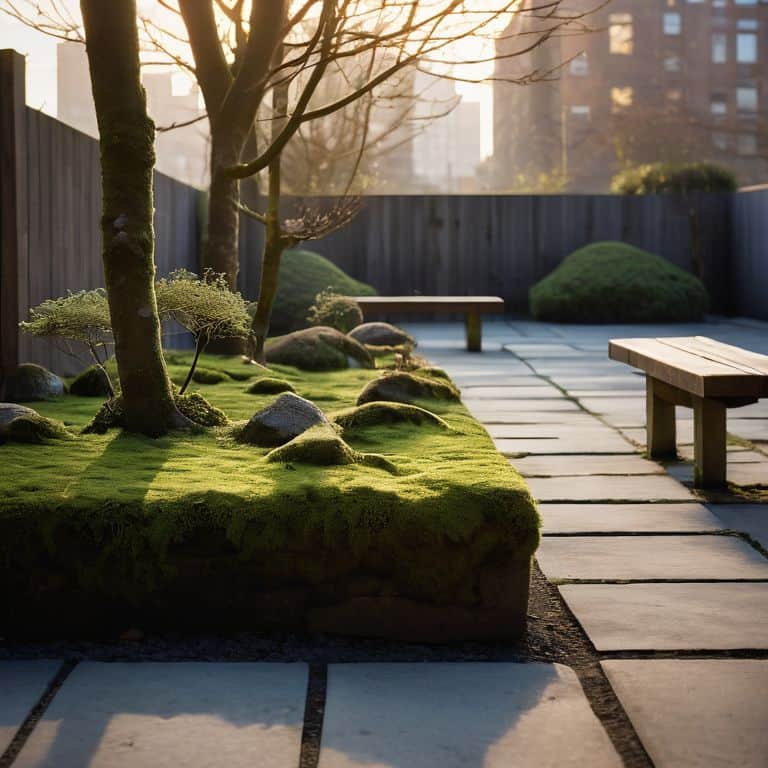
As I sit in my urban garden, surrounded by the simple elegance of nature, I’m reminded of how the minimalist movement has inspired people to rethink their living spaces. The evolution of minimalist design has been a fascinating journey, with influences from various cultures, including Japanese minimalism, which emphasizes the importance of empty space and the beauty of imperfection. This philosophy has not only shaped the way we design our homes but also influenced our approach to everyday life.
The influence of Japanese culture on minimalism can be seen in the concept of “wabi-sabi,” which celebrates the beauty of imperfection and impermanence. This concept has been applied to various aspects of life, from minimalist architecture principles to the way we approach simple living. By embracing the idea that imperfection is a natural part of life, we can let go of the need for perfection and focus on what truly matters.
As I reflect on the simple living movement history, I’m struck by the key figures in minimalist art who have contributed to this philosophy. From artists to architects, these individuals have helped shape the way we think about minimalism and its applications in everyday life. By learning from their experiences and insights, we can gain a deeper understanding of how to incorporate minimalist principles into our own lives, ultimately leading to a more balanced and fulfilling existence.
Evolution of Minimalist Design
As I reflect on the evolution of minimalist design, I’m reminded of how it has influenced my own urban gardening practices. The emphasis on clean lines, simple shapes, and a limited color palette has inspired me to create a more serene atmosphere in my garden, allowing me to focus on the beauty of nature.
In minimalist design, functionality meets aesthetics, creating a sense of balance that I believe is essential for a fulfilling life. By embracing this philosophy, we can distill our surroundings down to the essentials, making room for what truly brings us joy and tranquility.
Influence of Japanese Culture on Minimalism
As I delve into the origins of minimalism, I find myself drawn to the serene landscapes of Japan, where the concept of less is more has been deeply ingrained in the culture for centuries. The influence of Japanese culture on minimalism is a fascinating topic, one that has inspired countless individuals to redefine their relationship with material possessions.
The minimalist aesthetic of traditional Japanese design, with its emphasis on clean lines, natural materials, and empty space, has had a profound impact on modern minimalist thought. By embracing the beauty of simplicity, we can create a more harmonious and balanced living environment, one that nurtures both body and soul.
The History of the Minimalist Movement
As I delve into the story of minimalism, I’m reminded of the evolution of minimalist design, which has been shaped by various cultural and philosophical influences. The minimalist movement has its roots in the early 20th century, when artists and designers began to rebel against the ornate and cluttered styles of the time. They sought to create a more streamlined and simplified aesthetic, one that emphasized function and clean lines.
The influence of Japanese culture on minimalism cannot be overstated. Japanese design principles, such as wabi-sabi and zen, have had a profound impact on the development of minimalist architecture and art. These principles emphasize the beauty of simplicity, imperfection, and the importance of living in harmony with nature. As I reflect on my own experiences with urban gardening, I see parallels between the simple living movement history and the desire to cultivate a more mindful and intentional way of living.
In exploring the key figures in minimalist art, I’m struck by the diversity of perspectives and styles that have contributed to the movement. From the minimalism of Donald Judd to the impact of technology on minimalist lifestyle, it’s clear that this philosophy is continually evolving. As someone who values simple living, I believe that embracing minimalism can lead to a more fulfilling and balanced life, one that allows us to focus on what truly matters.
Key Figures in Minimalist Art and Simple Living
As I delve into the world of minimalist art and simple living, I’m reminded of the pioneers who paved the way for this movement. Artists like Donald Judd and Dan Flavin come to mind, their works embodying the essence of minimalism.
Their influence can be seen in the emergence of a new wave of thinkers and artists who are redefining what it means to live simply, and I find their stories truly inspiring.
Minimalist Architecture Principles Unfold
As I sit in my urban garden, surrounded by the simplicity of nature, I’m reminded of how minimalist architecture has revolutionized the way we think about space. The concept of minimalism in architecture is not just about stripping away the unnecessary, but about creating a sense of flow and functionality.
I’ve found that clean lines are a hallmark of minimalist architecture, allowing the eye to move freely and unencumbered through a space, creating a sense of serenity and calm.
Unfolding the Minimalist Tapestry: 5 Timeless Lessons
- Embracing the concept of ‘less is more’ as a catalyst for creative freedom and reduced clutter
- Understanding the influence of Eastern philosophies, such as Zen Buddhism, on the development of minimalist principles
- Recognizing the role of historical figures like Henry David Thoreau and his simple living experiment at Walden Pond
- Appreciating the evolution of minimalist design in architecture, from the early 20th-century Bauhaus movement to contemporary sustainable homes
- Integrating the practice of mindfulness and intentionality into daily life, as inspired by the minimalist movement’s emphasis on living with purpose and simplicity
Embracing the Essence of Minimalism: 3 Key Takeaways
By embracing minimalist principles, we can simplify our lives, letting go of clutter and focusing on what truly adds value and joy to our daily experiences, much like the careful pruning of urban garden plants to encourage healthy growth
The influence of Japanese culture on minimalism teaches us the beauty of restraint and the importance of living in harmony with nature, a concept that resonates deeply with my own love for urban gardening and the pursuit of balance in life
Through understanding the history and evolution of the minimalist movement, from its roots in design and architecture to its impact on art and simple living, we can apply these timeless principles to create our own unique paths to a more fulfilling, clutter-free life, one spontaneous note at a time
Embracing the Essence of Simplicity
As we weave through the tapestry of time, the history of the minimalist movement whispers to us of a gentle revolution, one that beckons us to shed the weights of excess and find solace in the beauty of the unadorned, reminding us that true freedom lies not in what we accumulate, but in what we let go of.
Eli Woods
Embracing the Beauty of Minimalism
As we’ve journeyed through the history of the minimalist movement, we’ve uncovered the evolution of minimalist design, the profound influence of Japanese culture, and the key principles of minimalist architecture. We’ve also explored the lives of visionary figures who have shaped the minimalist art and simple living movements. From the serene landscapes of Japan to the urban jungles of the West, minimalism has proven to be a universal language, transcending borders and cultures. By embracing the essence of minimalism, we can simplify our lives, clarify our values, and focus on what truly matters.
As we conclude our exploration of the minimalist movement, let’s remember that embracing simplicity is a journey, not a destination. It’s an invitation to reimagine our relationship with the world around us, to find beauty in the understated, and to cultivate a sense of inner peace. As we navigate the complexities of our modern lives, may the principles of minimalism guide us toward a more intentional, compassionate, and fulfilling way of living. And as I always say, may our lives be a reflection of the beauty that unfolds when we nurture our own unique garden of life.
Frequently Asked Questions
How did the concept of minimalism evolve over time to become a mainstream lifestyle choice?
As I reflect on minimalism’s journey, I see it unfolding like a garden – slowly, yet surely. It originated in the 1950s as an art movement, then seeped into design and architecture, influenced by Japanese culture’s emphasis on simplicity. Over time, it evolved into a lifestyle choice, embracing simplicity and intentionality, and today, it’s a mainstream movement, empowering people to live more mindfully.
What role did historical events and economic conditions play in shaping the minimalist movement?
Historical events like the Great Depression and World War II significantly influenced the minimalist movement, as people turned to simplicity out of necessity. Economic conditions also played a role, with recessions and financial uncertainty prompting a reevaluation of priorities and a shift towards more frugal, sustainable living.
How have different cultures, aside from Japanese, contributed to the development and diversification of minimalist principles?
I love exploring how various cultures have shaped minimalist principles. From Scandinavian simplicity to Indian minimalism rooted in yoga and Ayurveda, each culture brings its unique perspective, emphasizing concepts like hygge, wabi-sabi, or ahimsa, and influencing our understanding of minimalism as a global, diverse movement.