
I still remember the day I decided to ditch my traditional bank for an online one – it was a total game-changer for my finances. As someone who’s passionate about empowering others with financial knowledge, I’ve often found myself wondering: what’s the real difference between online banks and traditional ones? Is it really worth making the switch? This question led me to create a guide to online banks vs traditional banks, where I’ll share my honest, no-hype advice on how to choose the best option for your financial freedom.
In this article, I’ll cut through the noise and give you the lowdown on online banking. You’ll learn how to weigh the pros and cons, understand the fees, and make an informed decision that suits your financial goals. Whether you’re a seasoned banker or just starting out, my goal is to make this process as smooth as a well-played chess game. By the end of this guide, you’ll be equipped with the knowledge to take control of your finances and make the most of your hard-earned money. So, let’s get started and explore the world of online banks vs traditional banks together!
Table of Contents
Guide Overview: What You'll Need

Total Time: 1 hour 30 minutes
Estimated Cost: free – $100
Difficulty Level: Easy
Tools Required
- Computer (with internet connection)
- Research skills (to compare online banks and traditional banks)
Supplies & Materials
- List of online banks (e.g., Ally, Capital One 360)
- List of traditional banks (e.g., Bank of America, Wells Fargo)
- Comparison spreadsheet (to organize features and fees)
Step-by-Step Instructions
- 1. First, let’s define what online banks and traditional banks are, to get a clear understanding of the two. Online banks are financial institutions that operate primarily over the internet, offering services such as account management, bill payments, and money transfers all from the comfort of your own home. Traditional banks, on the other hand, are the brick-and-mortar institutions we’re all familiar with, where you can walk in and interact with bank tellers and other customers. Understanding the basics of each will help you make an informed decision.
- 2. Next, consider the convenience factor. Online banks usually offer 24/7 access to your accounts, allowing you to manage your finances at any time. Traditional banks have limited hours of operation, which might be a drawback for those with busy schedules. However, traditional banks provide face-to-face interaction, which can be beneficial for complex financial transactions or seeking personalized advice.
- 3. Now, let’s weigh the costs. Online banks often have lower fees compared to traditional banks, mainly because they don’t have the overhead costs of maintaining physical branches. This can include lower or no monthly maintenance fees, overdraft fees, or ATM fees. On the other hand, traditional banks might offer more comprehensive services, such as investment advice or small business loans, which could justify the extra cost.
- 4. The security aspect is also crucial when choosing between online and traditional banks. Online banks use advanced encryption and security measures to protect your data, but the risk of cyberattacks and identity theft is always present. Traditional banks also face security risks, including theft and fraud, but the physical presence can provide an added sense of security for some. Evaluating security protocols should be a key part of your decision-making process.
- 5. Consider the interest rates and rewards offered by each type of bank. Online banks often provide higher interest rates on savings accounts and CDs due to their lower operational costs. Some online banks also offer rewards programs or cashback on certain transactions. Traditional banks might not offer as competitive rates but could provide other perks like premium customer service or exclusive access to financial events.
- 6. Another step is to research and compare the services and features offered by different banks. This includes looking into mobile banking apps, bill pay services, and the ease of transferring money between accounts. Some online banks have highly rated apps that make mobile banking a breeze, while traditional banks might have more sophisticated online platforms for managing complex financial portfolios.
- 7. Lastly, read the fine print and understand the terms and conditions of any account you’re considering. This includes knowing the minimum balance requirements, any potential fees, and the process for resolving disputes or issues. Whether you choose an online bank or a traditional bank, being fully informed will help you avoid unexpected surprises and make the most out of your banking experience.
Banking Beyond Borders
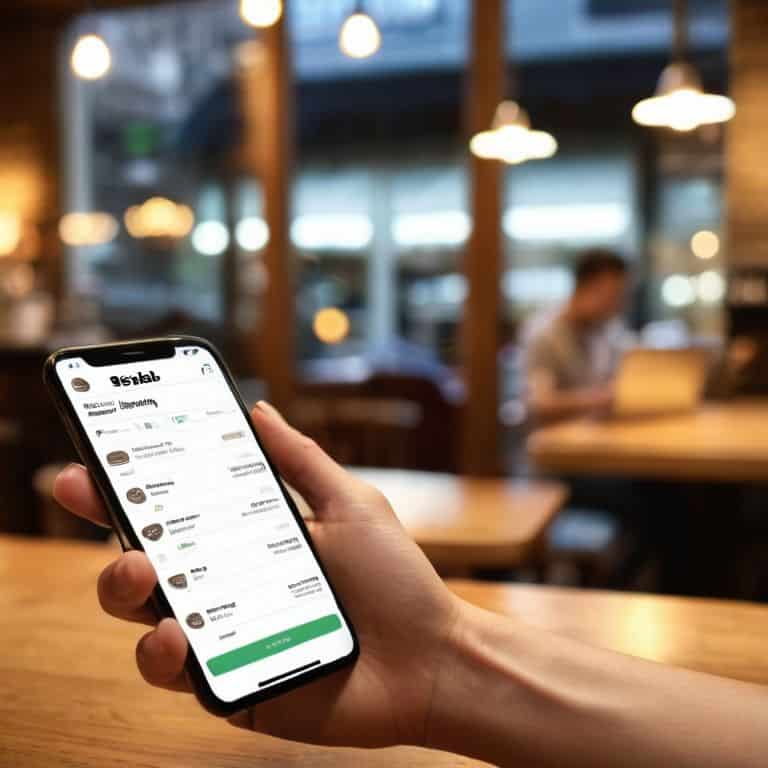
As we explore the world of online and traditional banks, it’s essential to consider the mobile banking security tips that can protect your financial information. When using online banking, make sure to use strong passwords, enable two-factor authentication, and keep your device’s operating system and browser up to date. This will help safeguard your accounts from potential cyber threats.
In addition to personal banking, online banking for small businesses can be a game-changer. It allows entrepreneurs to manage their finances efficiently, track expenses, and make payments on the go. Traditional banks also offer benefits, such as traditional bank account benefits, which may include access to a wider network of ATMs, personal banking services, and investment options.
When comparing high-yield savings accounts, it’s crucial to look at the digital banking trends and future of each institution. Some banks may offer more advanced online platforms, mobile apps, or innovative features that make managing your money easier. By considering these factors and weighing the pros and cons, you can make an informed decision that suits your financial needs and goals.
High Yield Savings Account Comparison Made Easy
When exploring high-yield savings accounts, it’s essential to compare rates, fees, and minimum balance requirements. I like to think of it as a chess game – you need to consider each move carefully to outmaneuver the competition. Online banks often offer higher interest rates and lower fees, while traditional banks may provide more personalized service. To make a smart decision, calculate the effective interest rate and consider any potential penalties for early withdrawals.
By doing your research and crunching the numbers, you can find a high-yield savings account that checks all the right boxes. As someone who can calculate interest rates in her head, I can assure you that even small differences in rates can add up over time. Take the time to weigh your options, and you’ll be making a financially savvy move that will pay off in the long run.
Mobile Banking Security Tips Uncovered
As we explore the vast expanse of banking beyond borders, security becomes a top priority. When it comes to mobile banking, I always advise my clients to be vigilant. Ensure your mobile device is updated with the latest security patches and use strong, unique passwords for your banking apps. It’s also crucial to enable two-factor authentication whenever possible, adding an extra layer of protection against unauthorized access.
By taking these simple yet effective measures, you can significantly reduce the risk of your mobile banking being compromised. Remember, financial freedom and security go hand-in-hand. Stay safe, and you’ll be checkmating financial stress in no time!
5 Essential Tips to Navigate Online Banks vs Traditional Banks
- Understand Your Banking Needs: Take a close look at your financial habits and goals to decide whether the flexibility of online banking or the personal touch of traditional banking suits you best
- Compare Fees and Interest Rates: Don’t let hidden fees eat into your savings; carefully compare the fees and interest rates offered by online and traditional banks to make an informed decision
- Security First: Ensure that your chosen bank, whether online or traditional, has robust security measures in place to protect your financial information and funds
- Consider Convenience and Accessibility: Weigh the convenience of online banking against the accessibility of traditional bank branches and ATMs to find the best fit for your lifestyle
- Read the Fine Print: Before making a final decision, read through the terms and conditions of both online and traditional banks to understand any potential limitations or benefits that might impact your financial plans
Key Takeaways for a Smarter Banking Choice
Understanding the differences between online banks and traditional banks is crucial for making an informed decision that suits your financial goals and lifestyle
Mobile banking security and high-yield savings account offerings are significant factors to consider when choosing between online and traditional banking services
By embracing the unique benefits of both online and traditional banks, you can create a personalized banking strategy that enhances your financial freedom and security
Navigating the Financial Frontier
As you embark on the journey to financial freedom, remember that choosing between online banks and traditional banks isn’t about which one is better, but about which one better serves your unique financial strategy and goals.
Chloe Mathison
Empowering Your Financial Future

As we’ve navigated the world of online banks vs traditional banks, it’s clear that informed decisions are key to unlocking your financial potential. From the convenience of mobile banking to the benefits of high-yield savings accounts, understanding your options is the first step towards financial freedom. Whether you’re a fan of traditional banking’s personal touch or the ease of online banking, knowing how to leverage these tools can make all the difference in your financial journey. By considering factors like security, interest rates, and accessibility, you can make choices that align with your financial goals and aspirations.
In the end, it’s not just about choosing between online and traditional banks – it’s about taking control of your financial life. As you move forward, remember that financial literacy is a powerful tool, one that can help you achieve your dreams and secure a brighter future. So, go ahead, make your move, and start building the financial future you’ve always wanted. With the right knowledge and a bit of strategy, you’ll be checking mate on your financial goals in no time!
Frequently Asked Questions
What are the key differences in fees and charges between online banks and traditional banks?
Let’s dive into fees! Online banks typically have lower or no monthly maintenance fees, ATM fees, and overdraft fees compared to traditional banks, which can charge upwards of $30-40 for overdrafts alone. However, some online banks might charge higher fees for services like wire transfers or out-of-network ATM usage.
How do online banks and traditional banks compare in terms of customer service and support?
When it comes to customer service, traditional banks often have a physical presence, while online banks rely on digital support. However, many online banks now offer 24/7 customer support through mobile apps, phone, or email, giving them a competitive edge. I’ve seen some online banks even provide personalized support through social media, which is pretty cool!
Are online banks as secure as traditional banks for storing and managing my money?
Don’t worry, online banks are just as secure as traditional ones! They use similar encryption and security measures, plus they’re regulated by the same agencies. I like to think of it like castling in chess – you’re protecting your king (your money) with a strong fortress (the bank’s security).